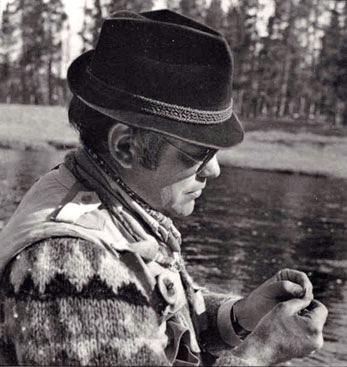
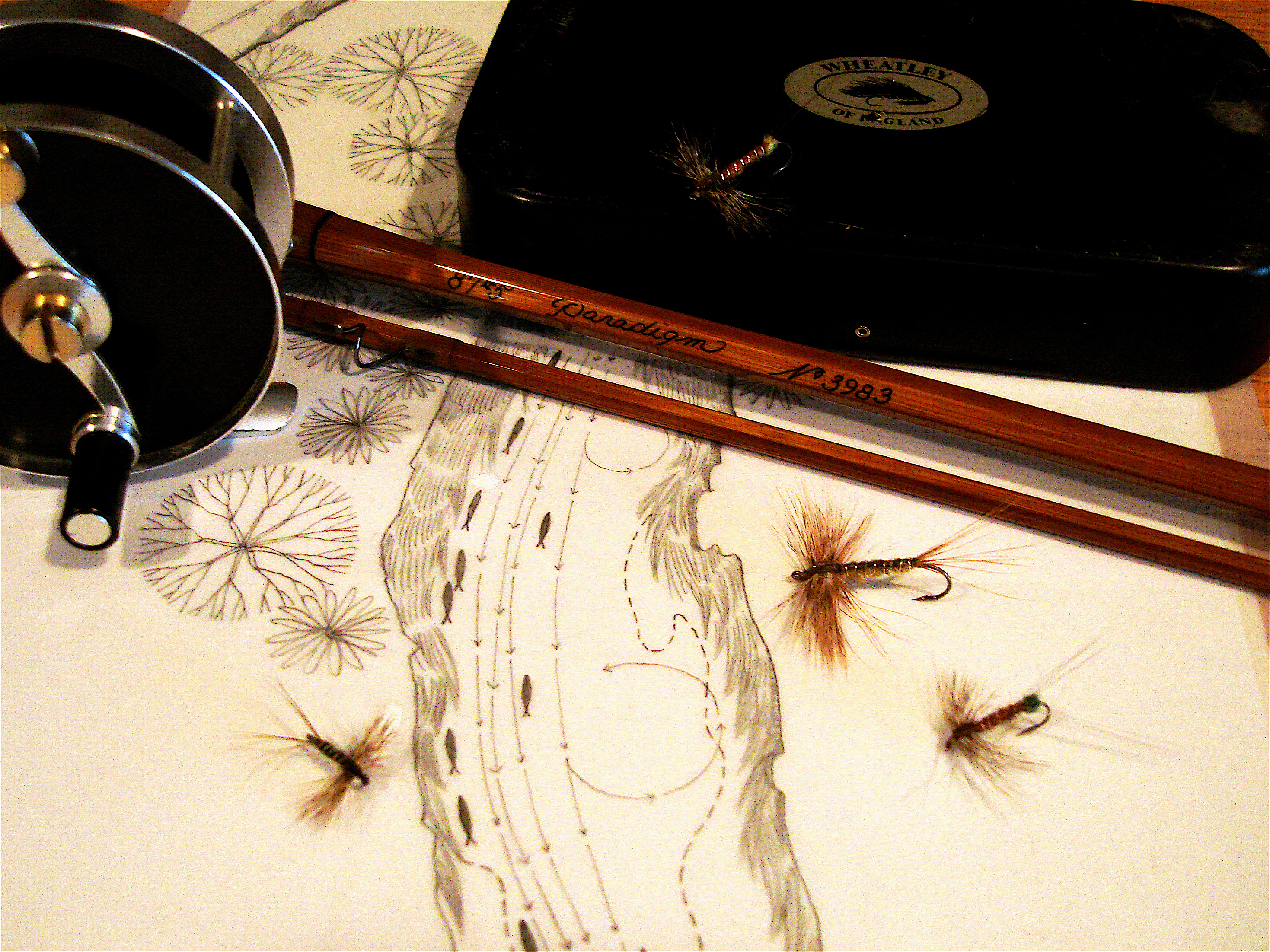
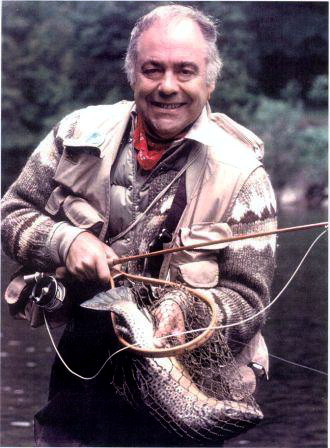
Ernie Schwiebert's flies are challenging to acquire. Ernie was not a commercial tyer and therefore few of his patterns exist outside of his family and closest of friends. An exception is a personal donation of his flies he made to the American Museum of Fly Fishing in Vermont.
Few anglers have ever had, nor will ever have, the impact Ernie Schwiebert has had on the sport of fly-fishing. In June of 1982 I remember the anticipation of opening day as I pulled into a dusky parking lot at the north end of Railroad Ranch on the Henry's Fork in Idaho. Written in the dust on the back window of a rickety, maroon and white Volkswagon bus scribbled the phrase "praise we the lowly ant"-a recent headline from an article Ernie had written for FlyFisherman magazine. His influence was everywhere in the 70's and 80's. And, sure enough, that day ants and beetles were indeed the ticket for the finicky rainbows on the Ranch. A day I will not forget.
While technically, Schwiebert was an eastern fly fisherman from Pennsylvania, his literay works are filled with adventurous accounts of his youth on the Frying Pan river in Colorado and a special fondness as an adult for the greater Yellowstone region. To this day, some of the finest articles on fishing the Firehole, Henry's Fork and other Yellowstone waters were done at his hand. For this reason, among others, I include him as one of the truly great fly-fisherman and tyers of the West.
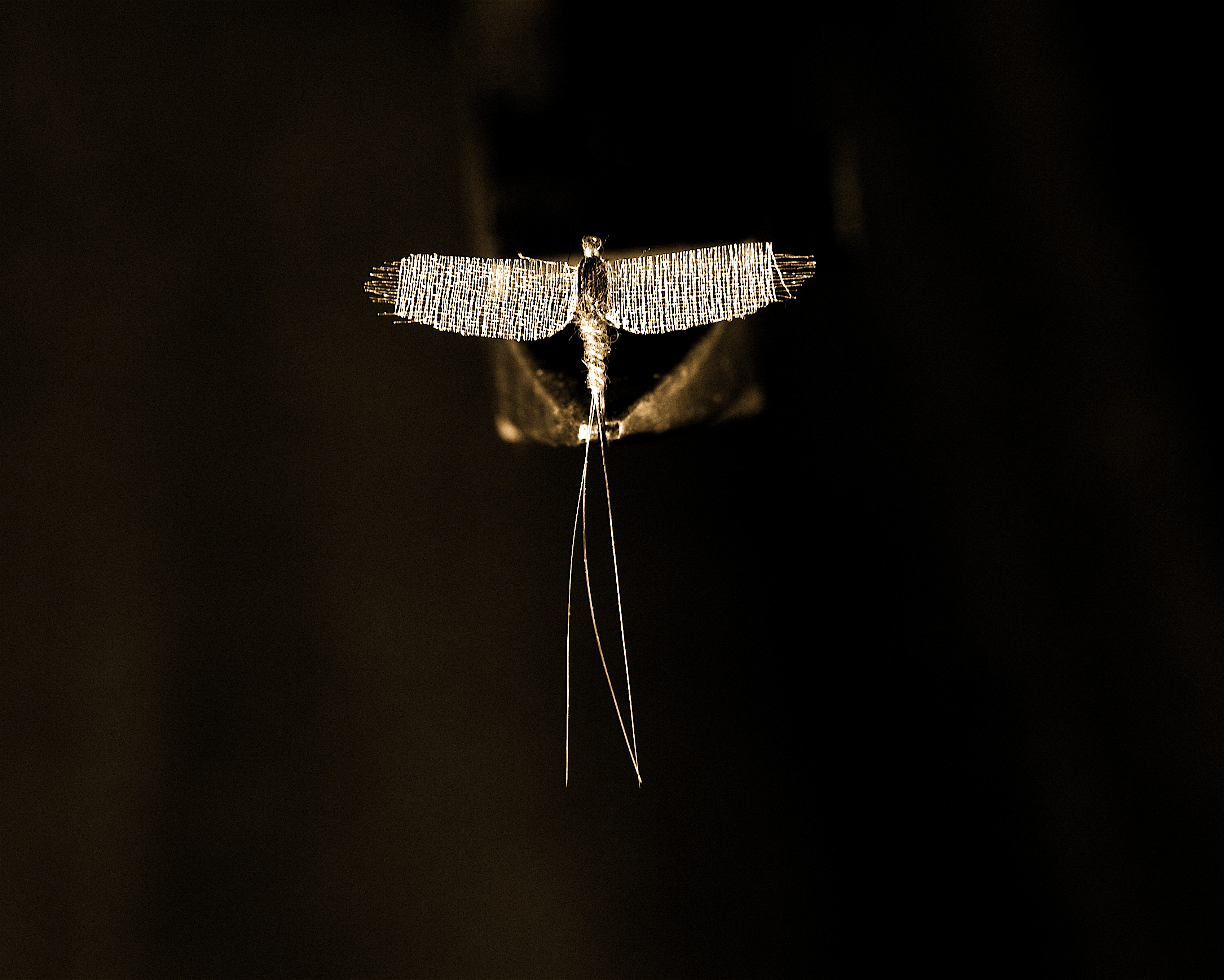
"The sparsely tied dry files that were miraculously given life in the skilled fingers of the classics professor, with their elegant wings and perfectly dressed hackles and classic British hooks, still influence the character and proportions of my own flies."
Ernest G. Schwiebert
1981. Ultimate Fishing Book
"Opening Days: A Trout Fisherman's Life in Springtime"
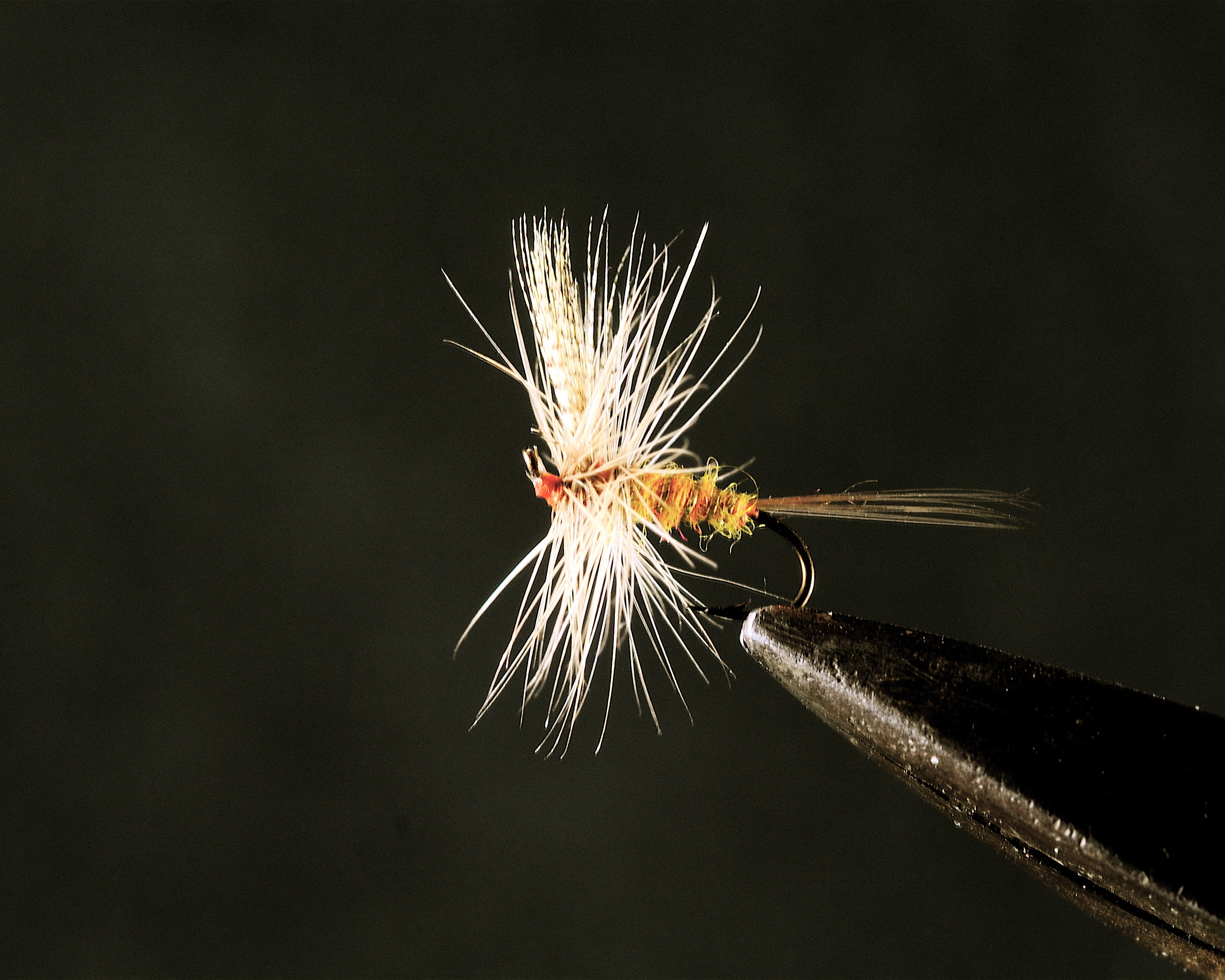
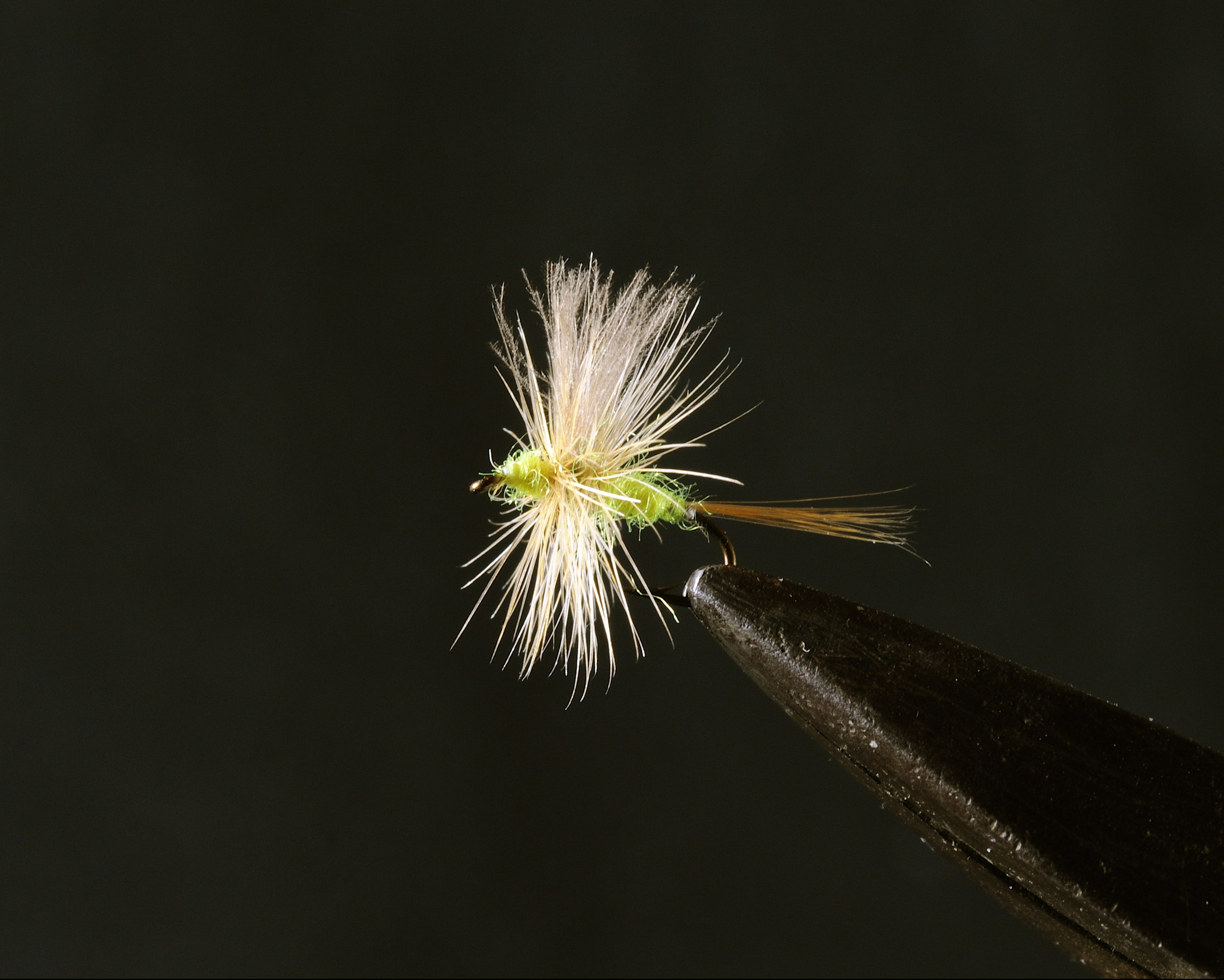
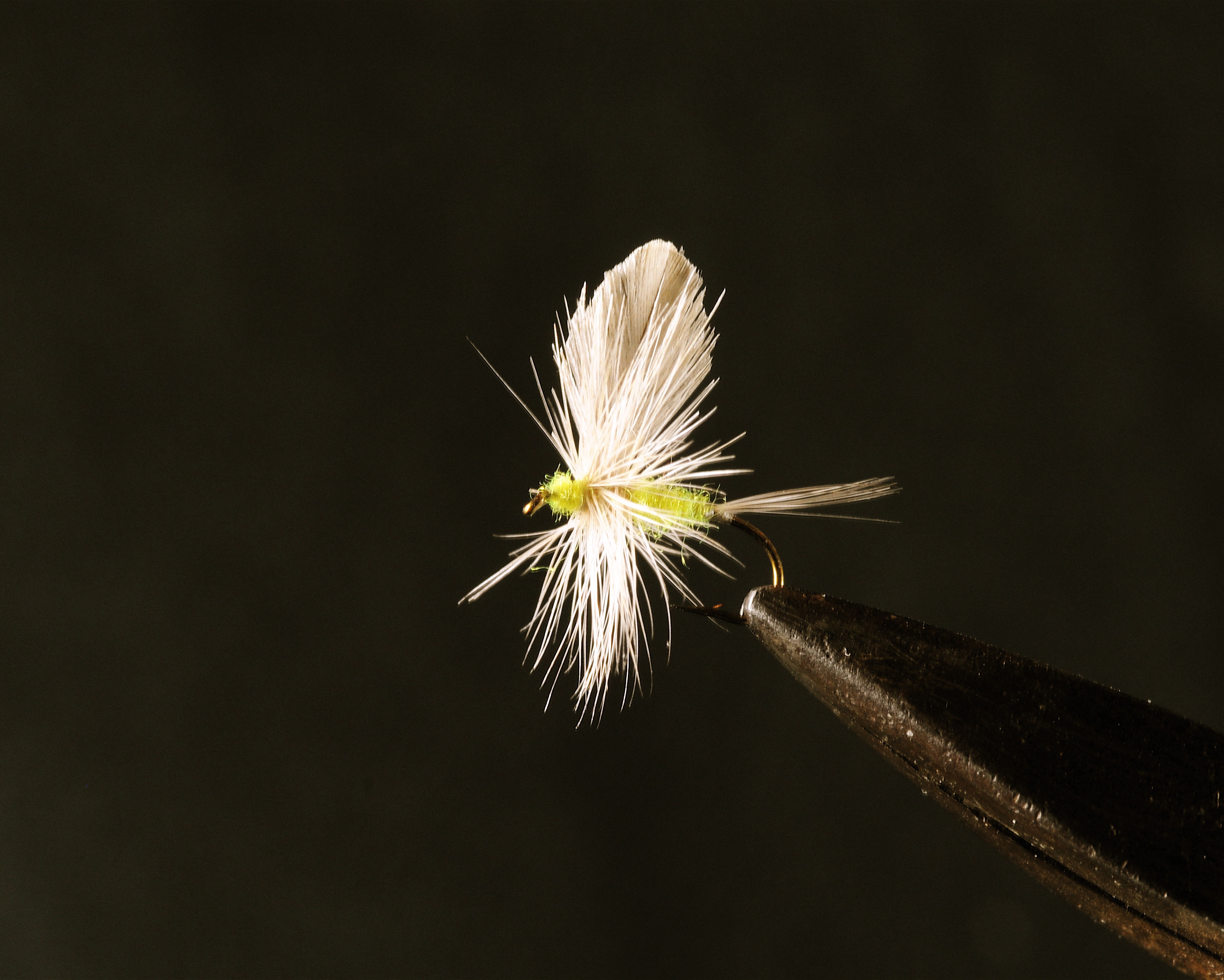
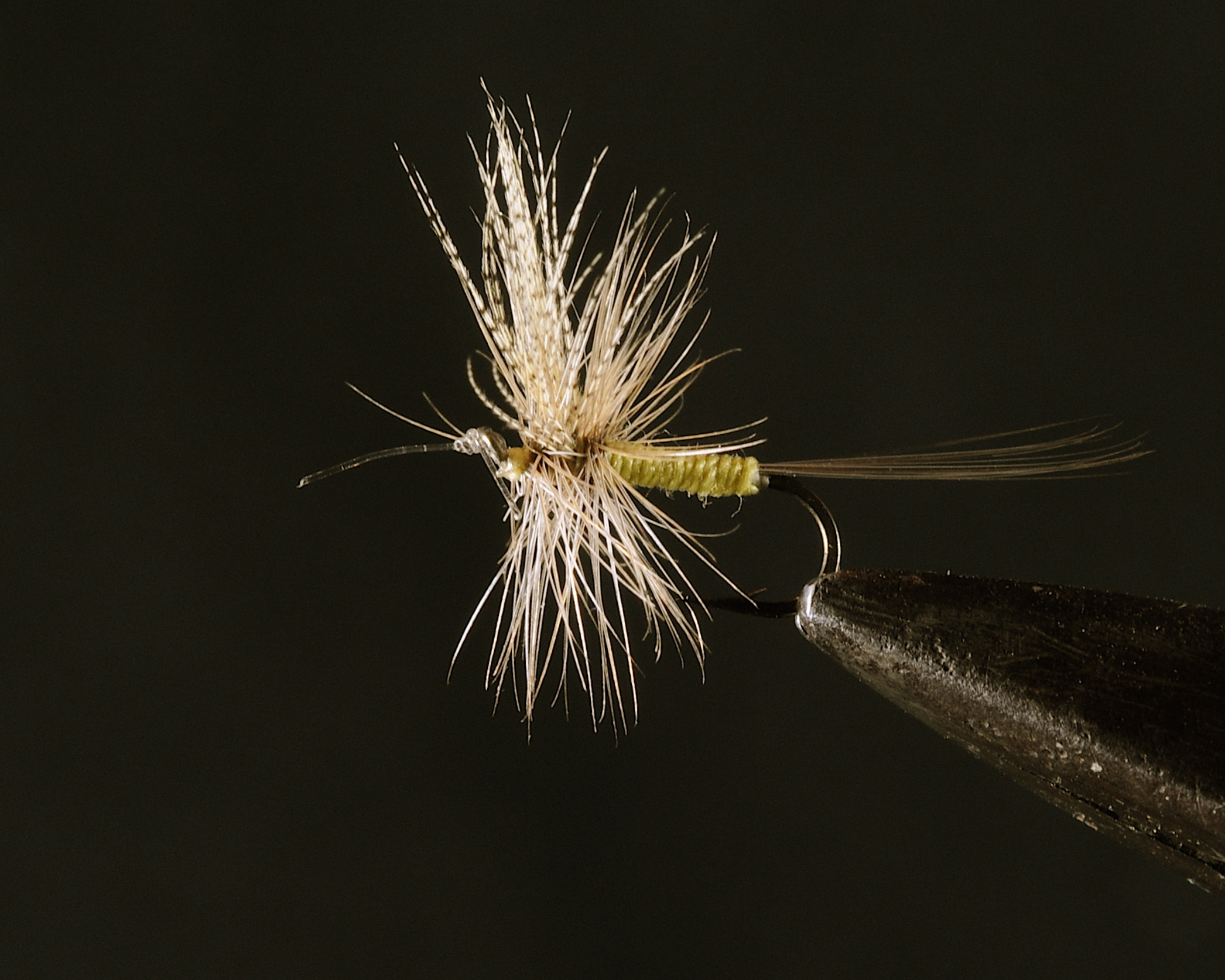
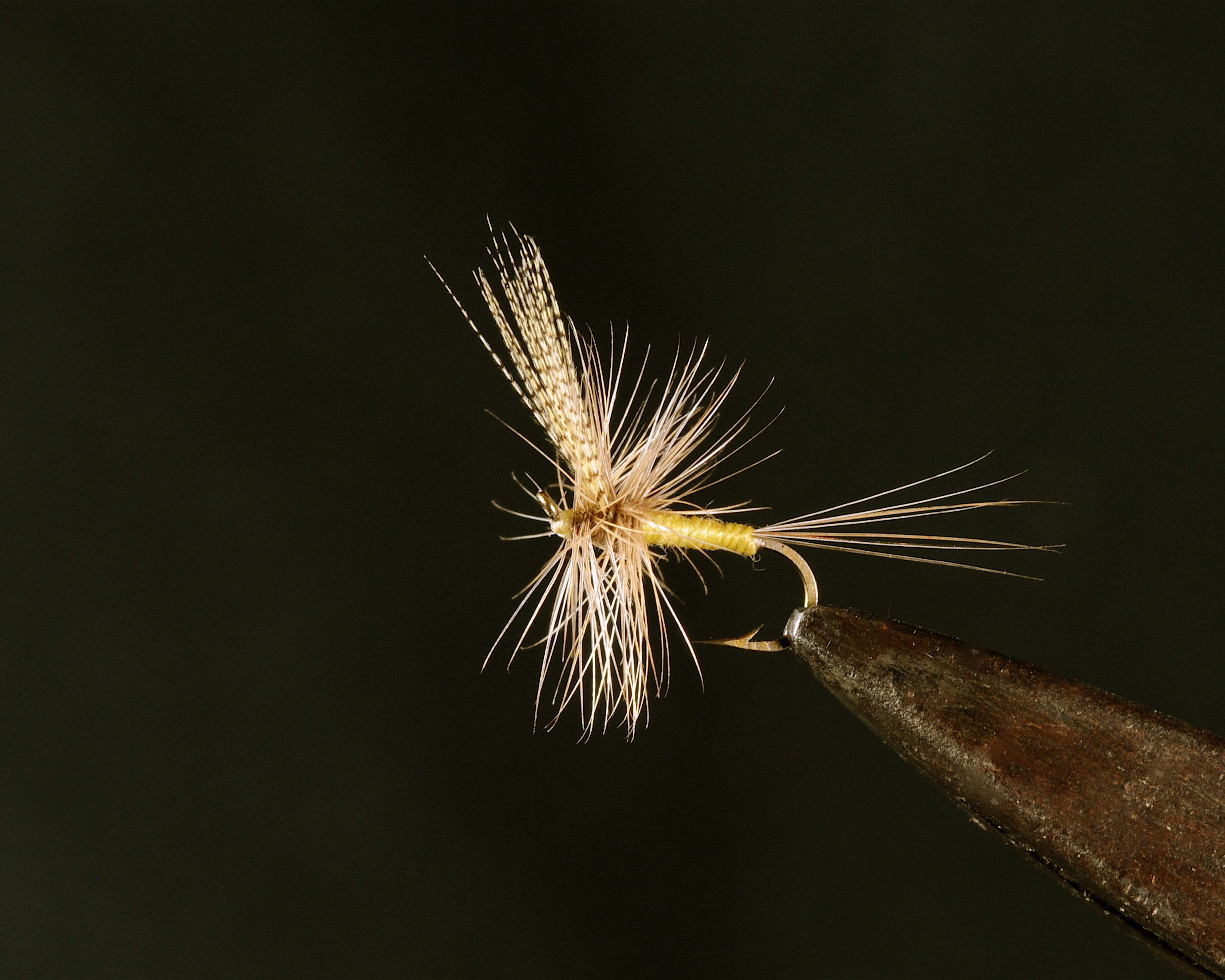
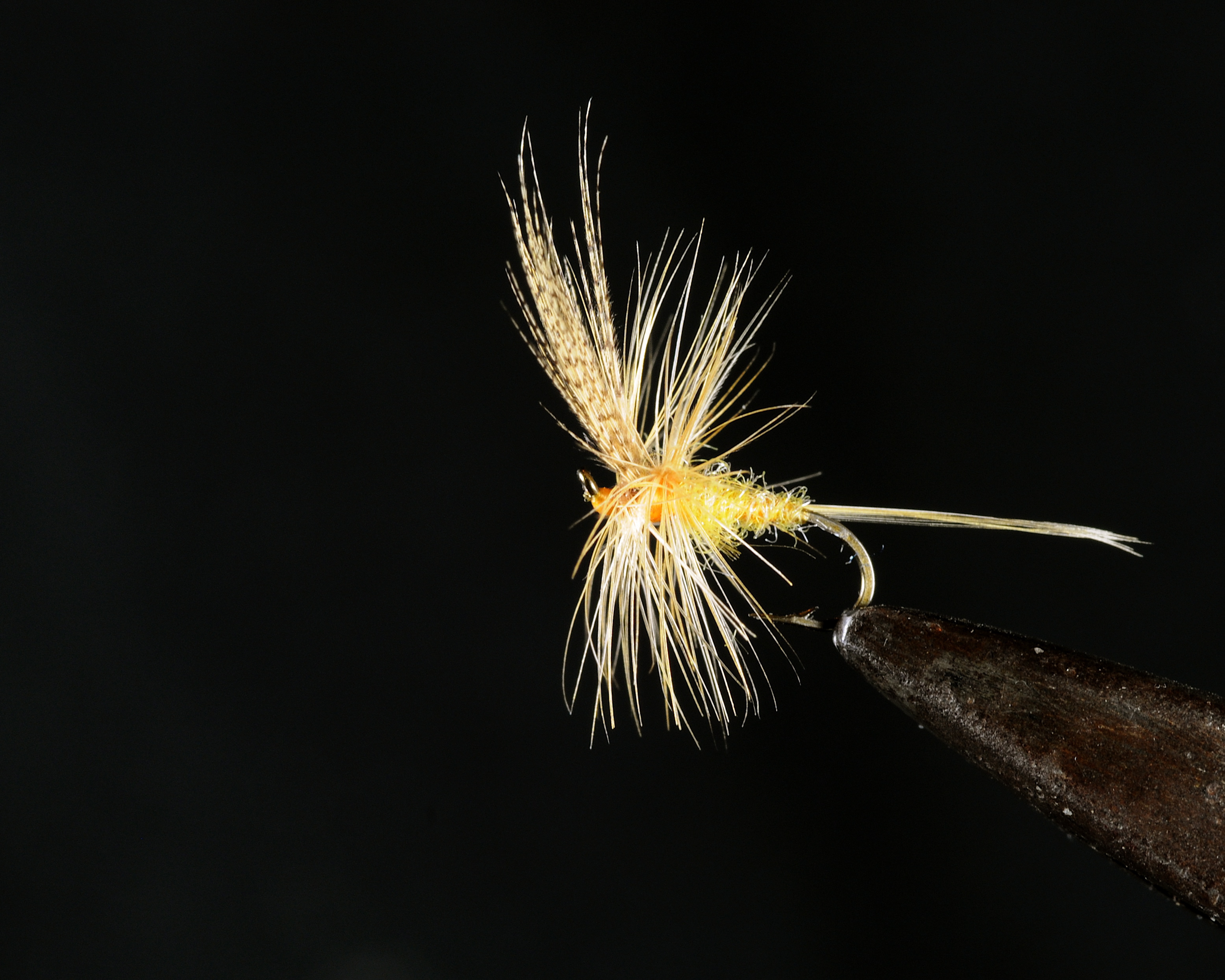
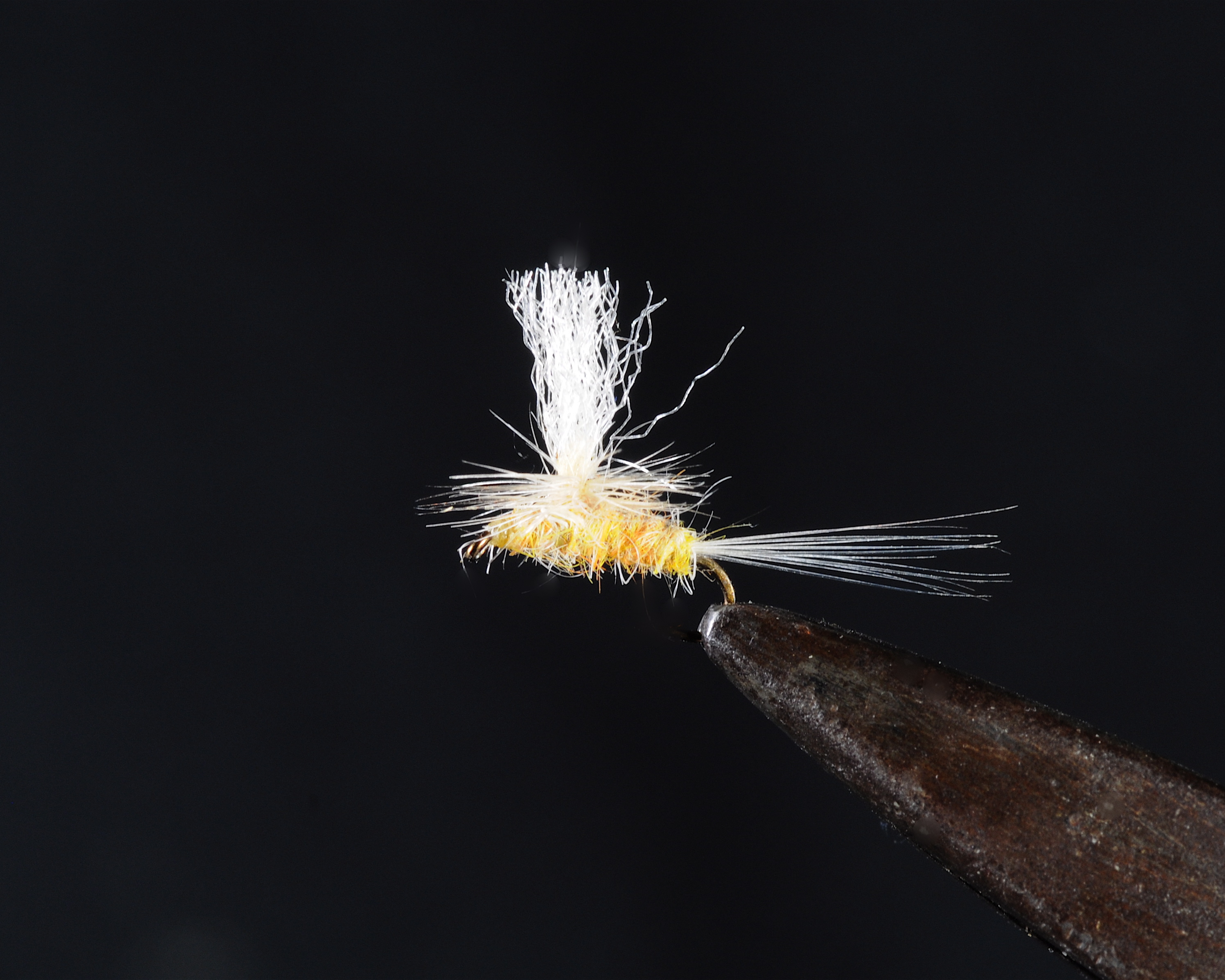
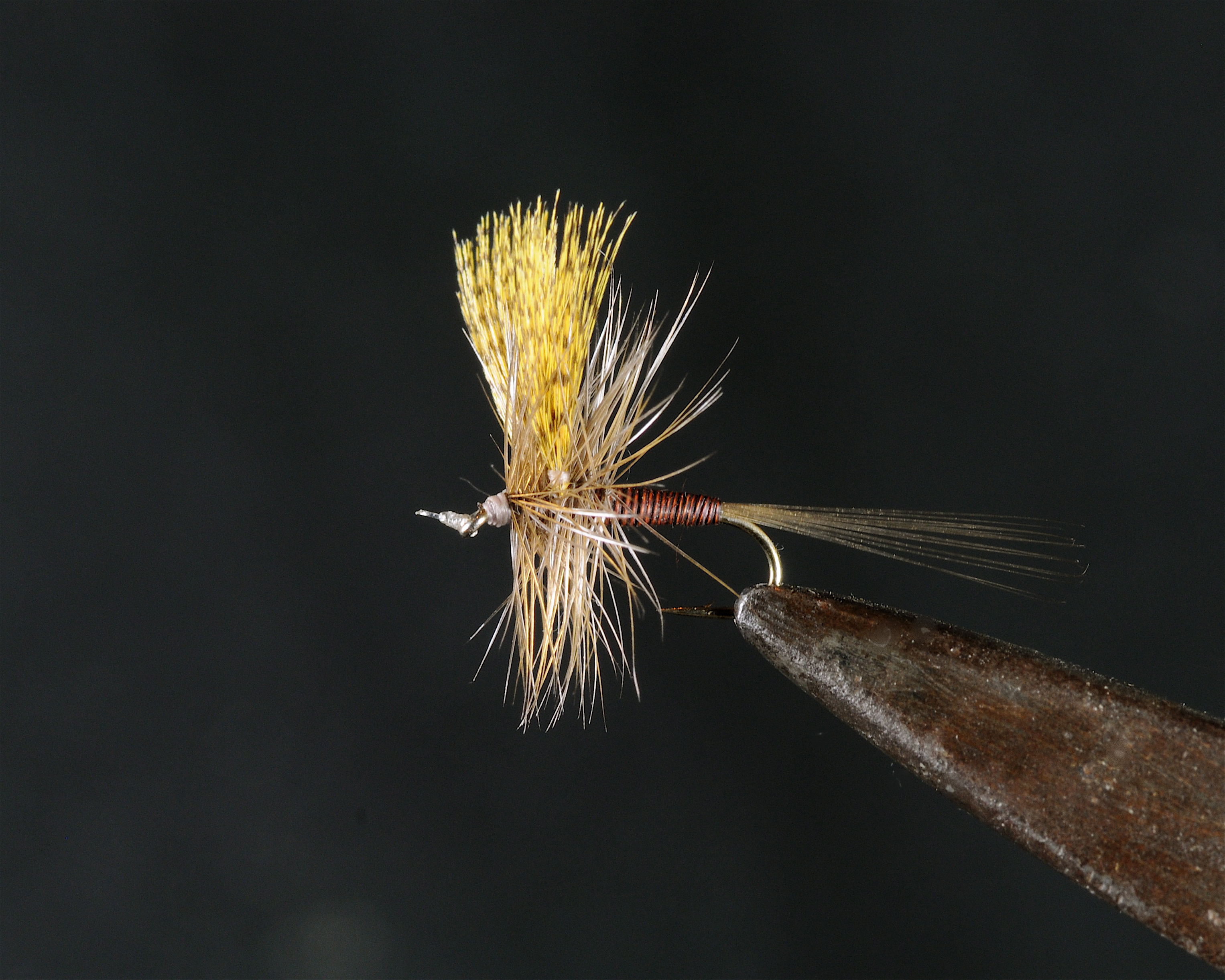
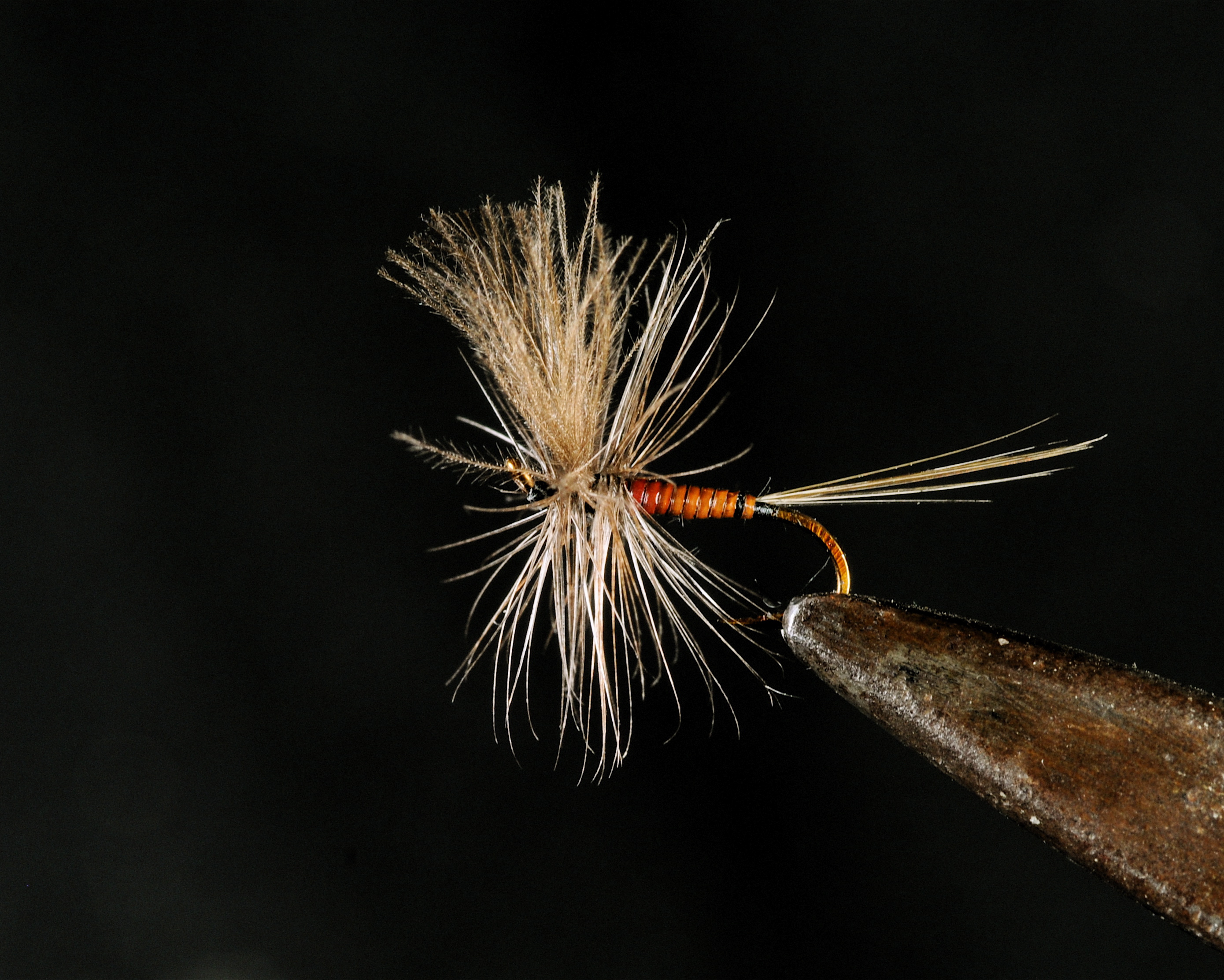
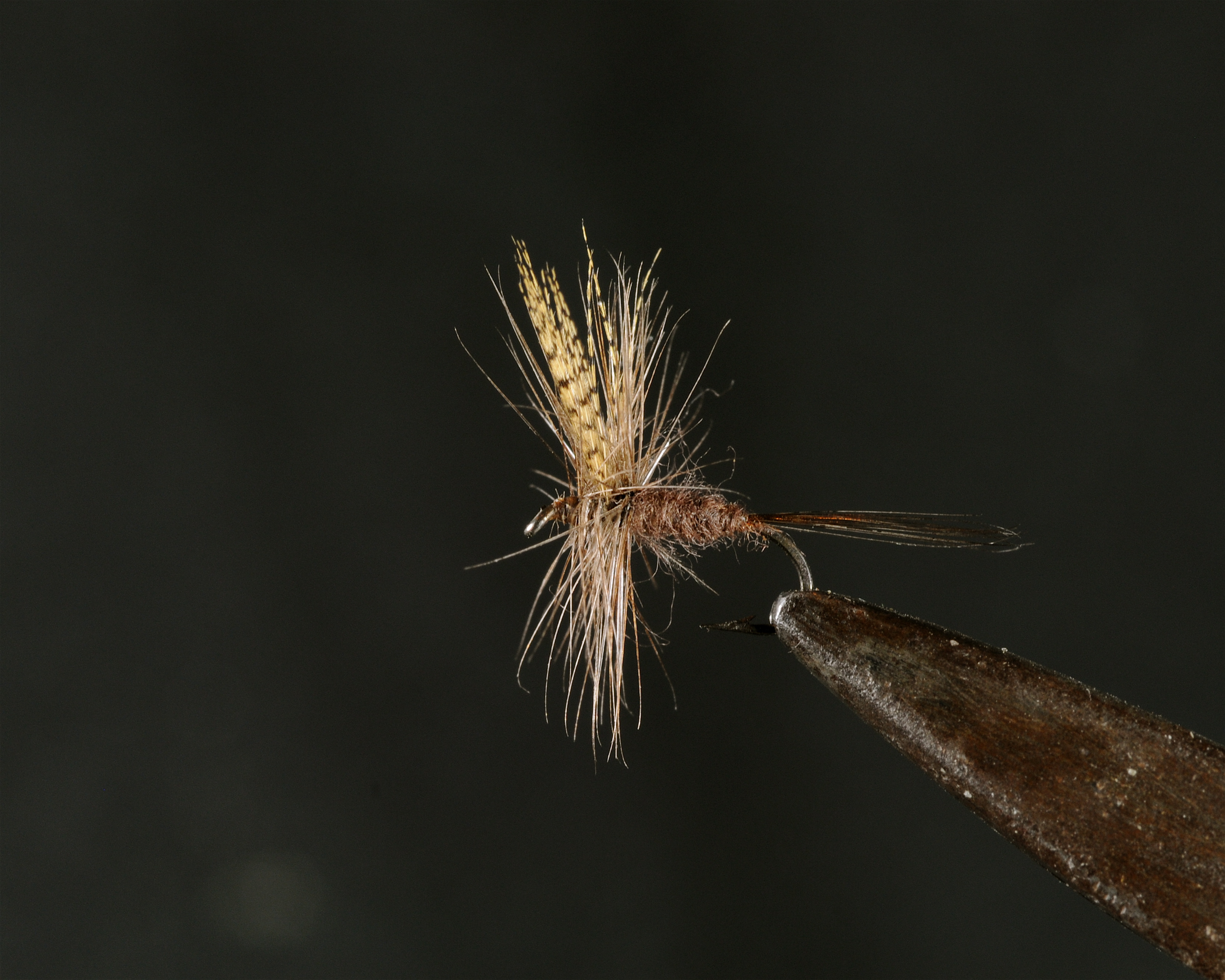
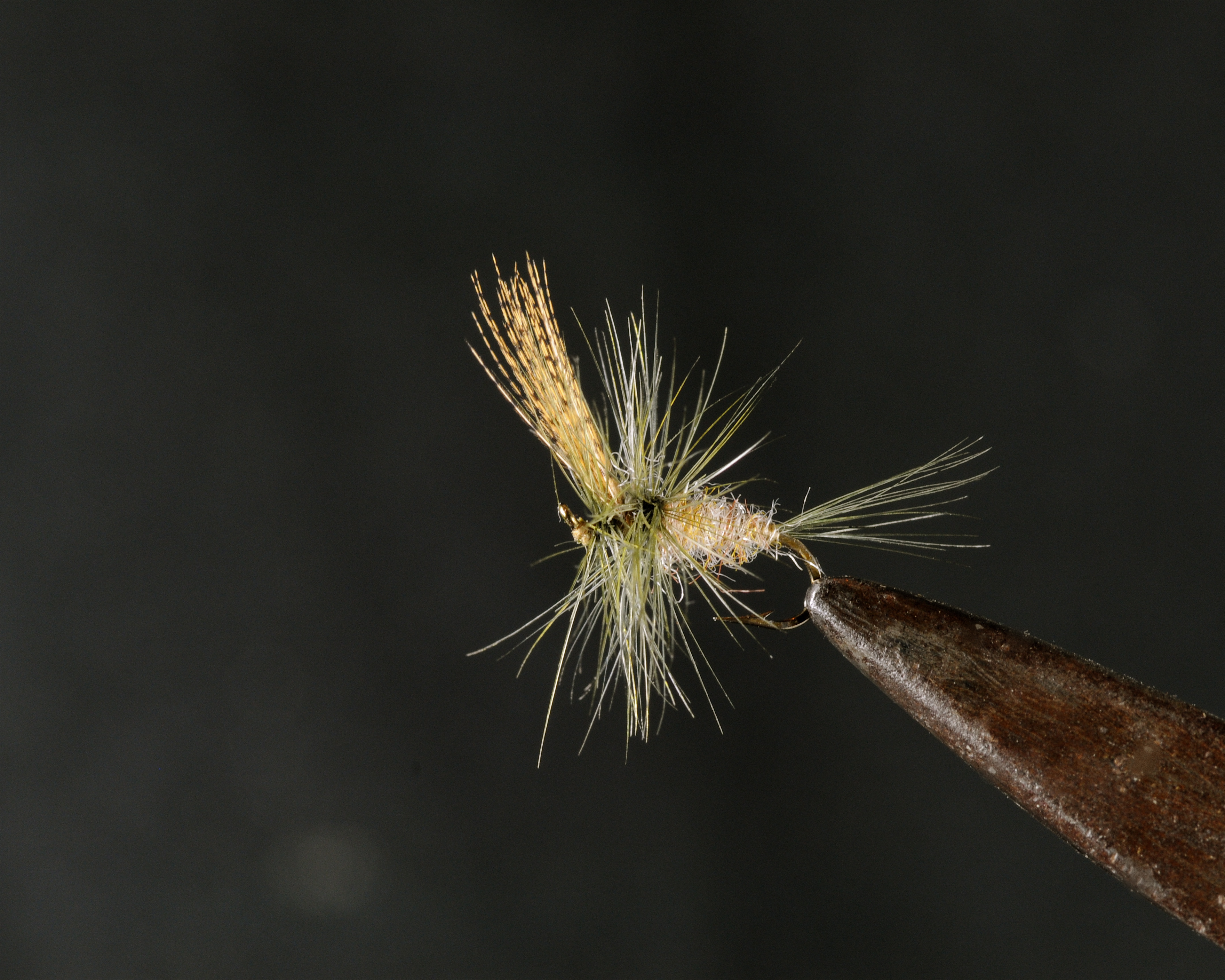
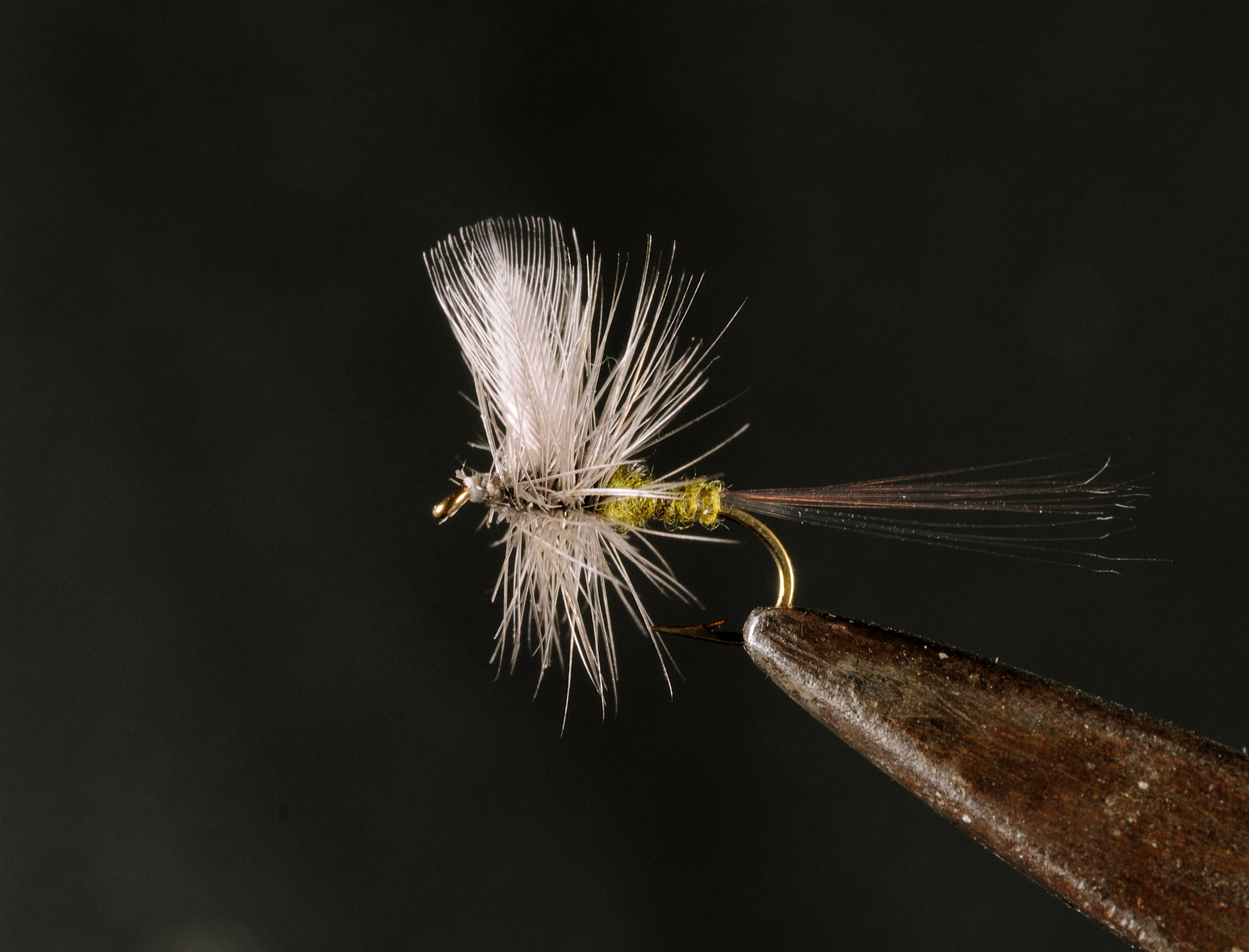
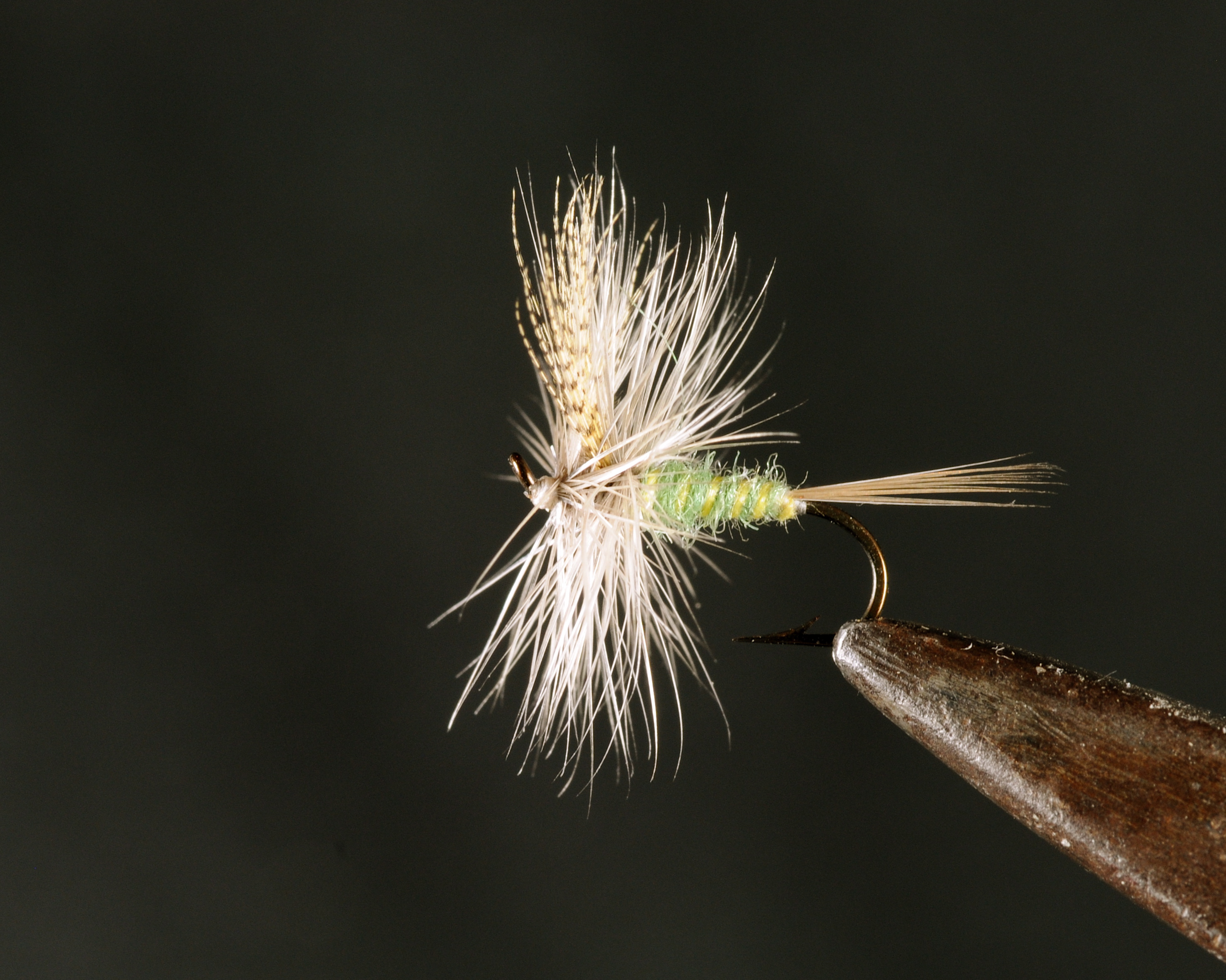
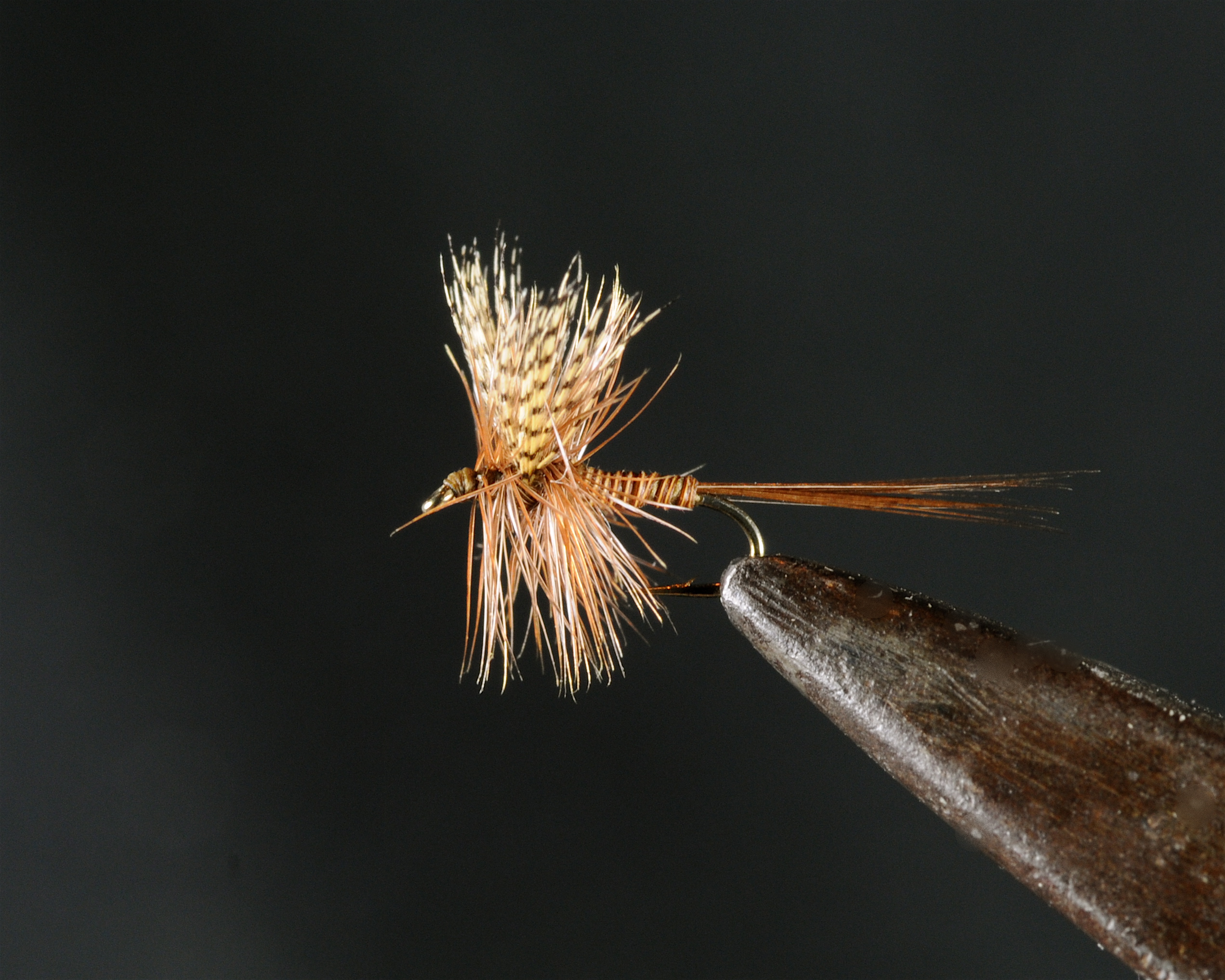
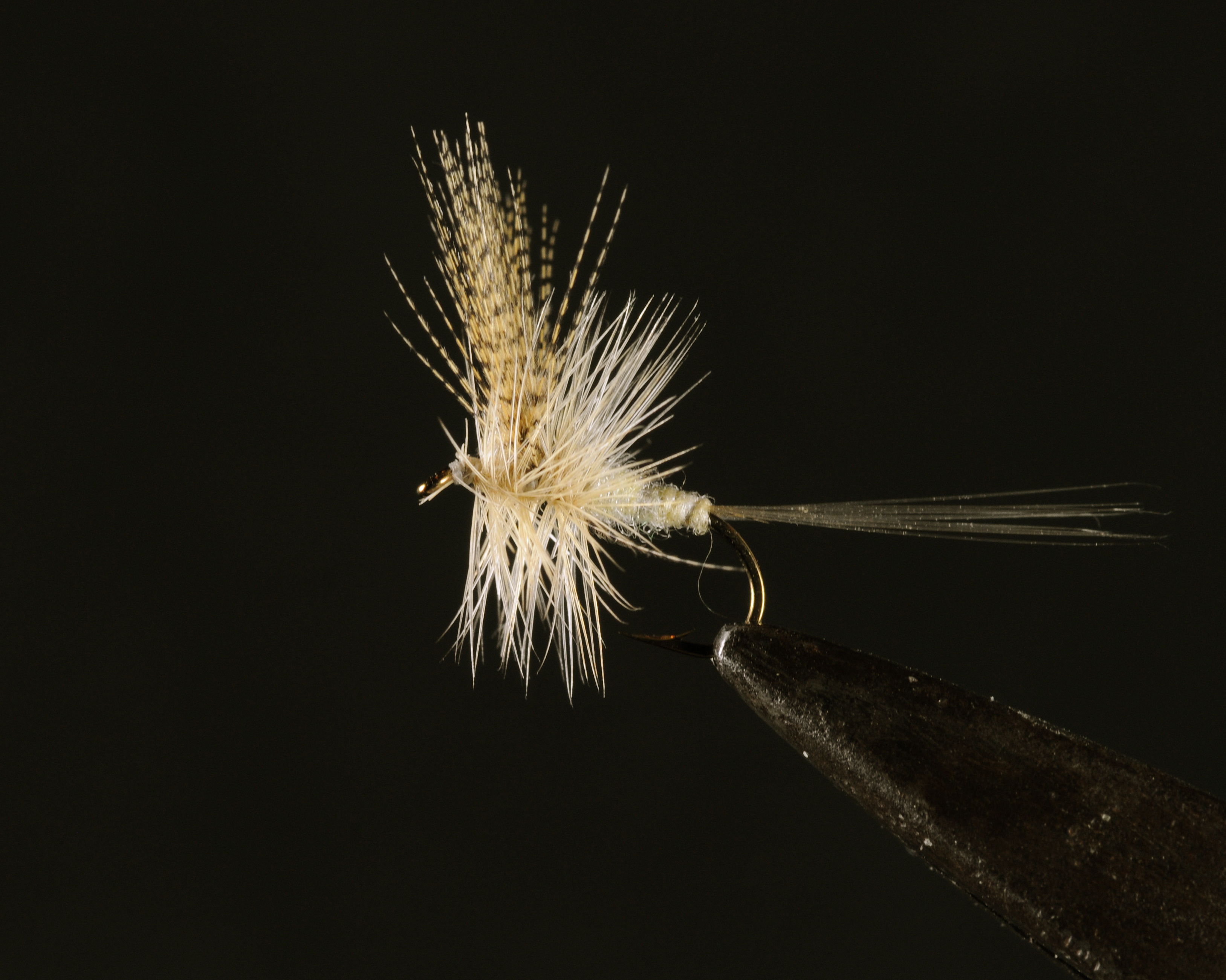
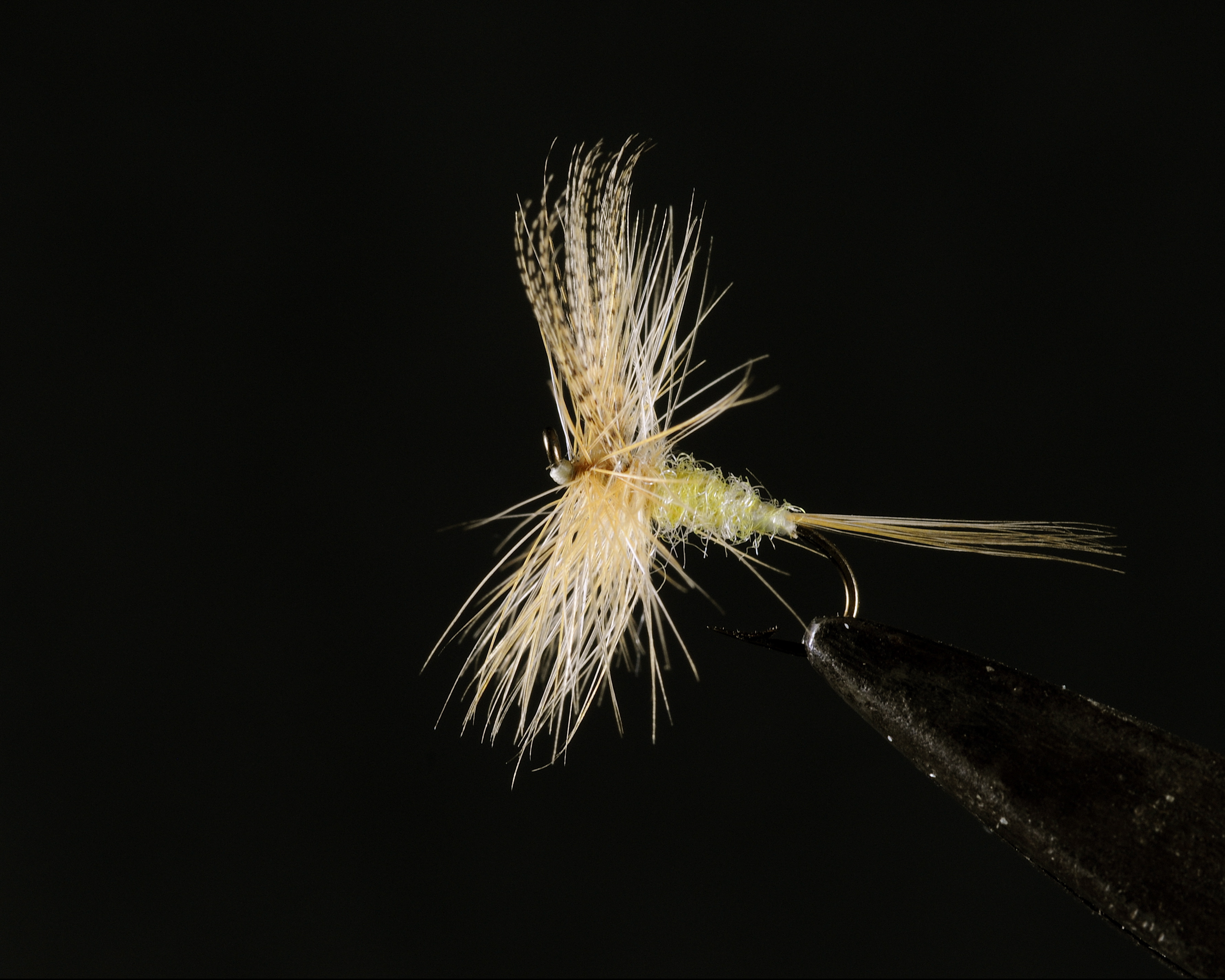
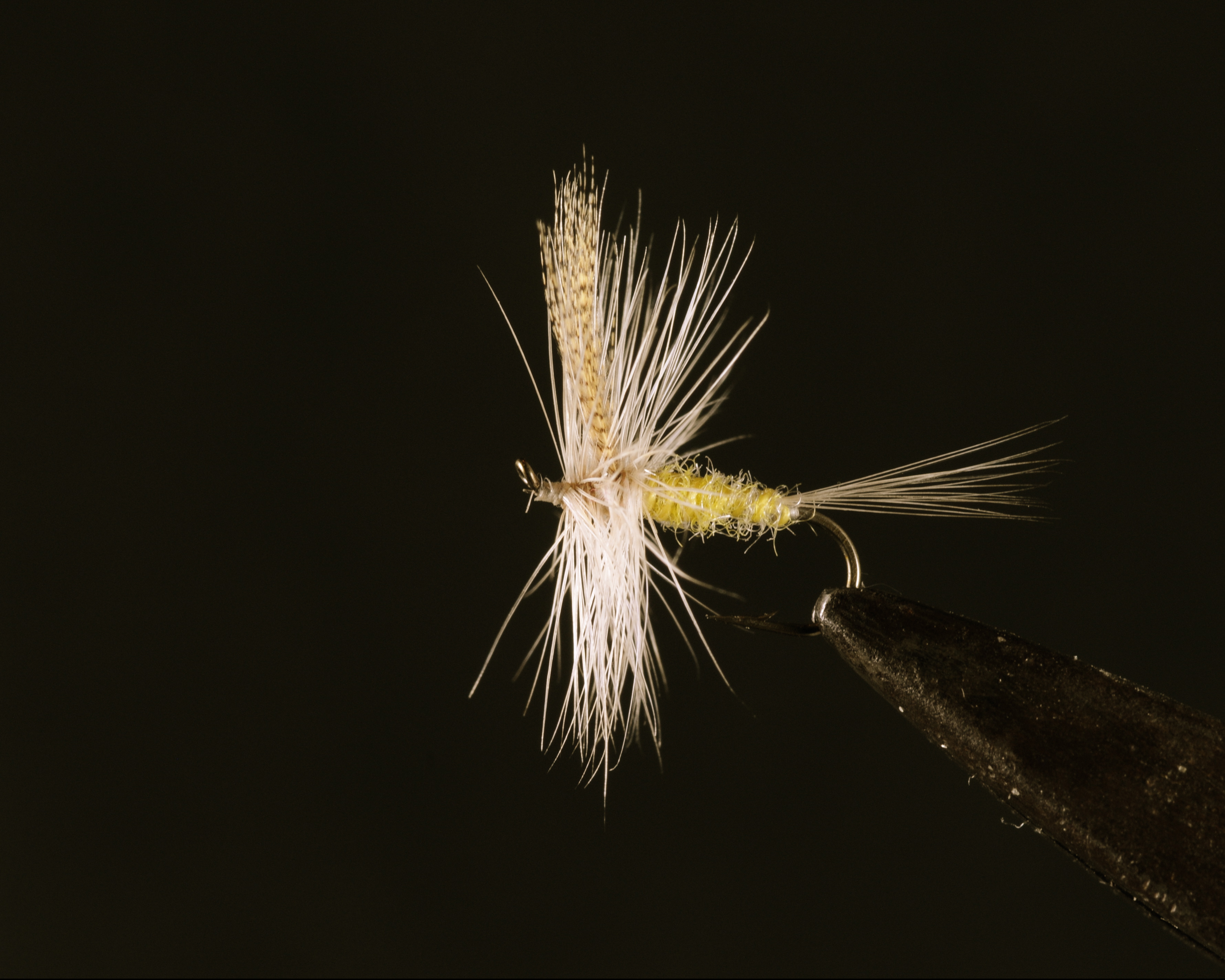
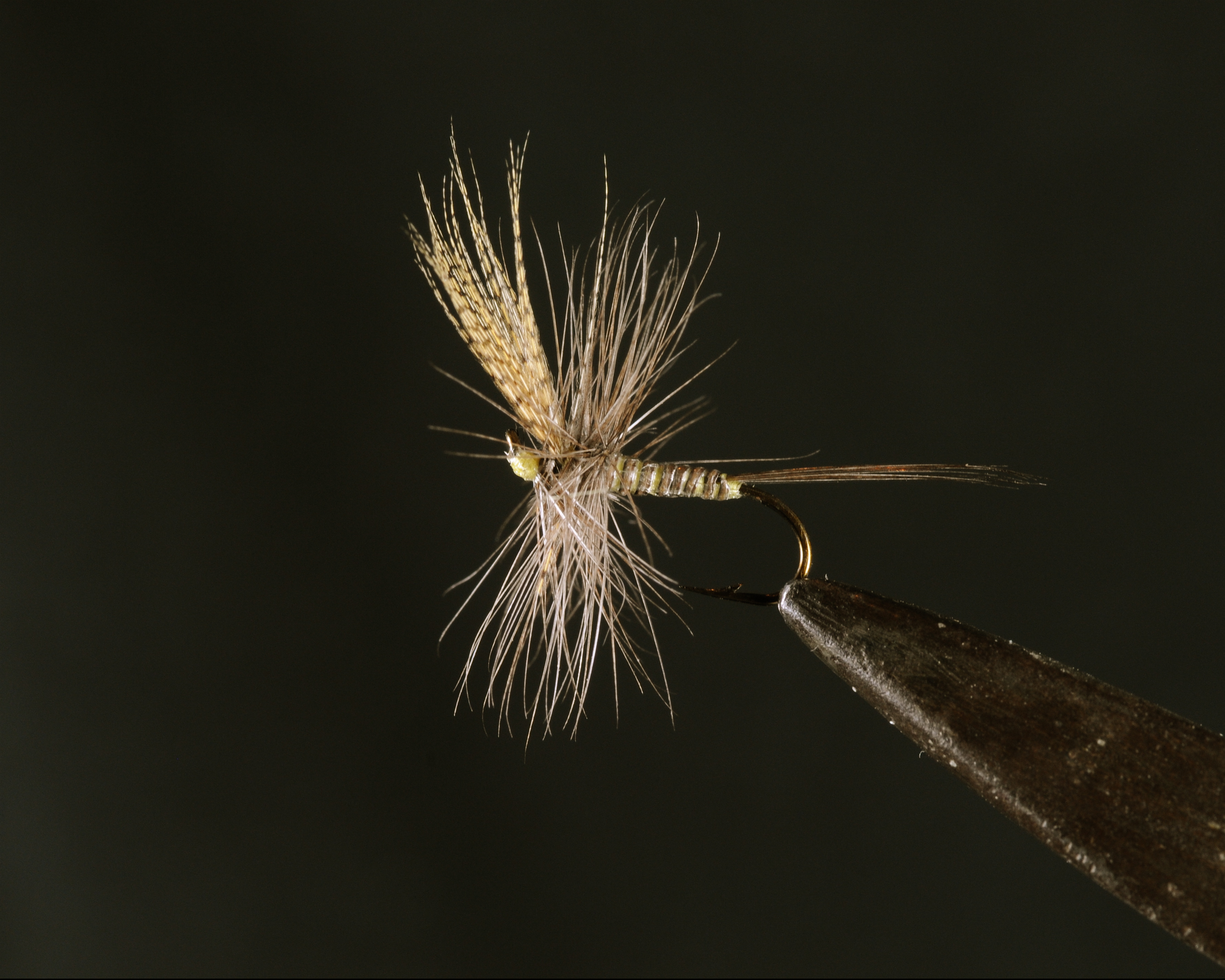
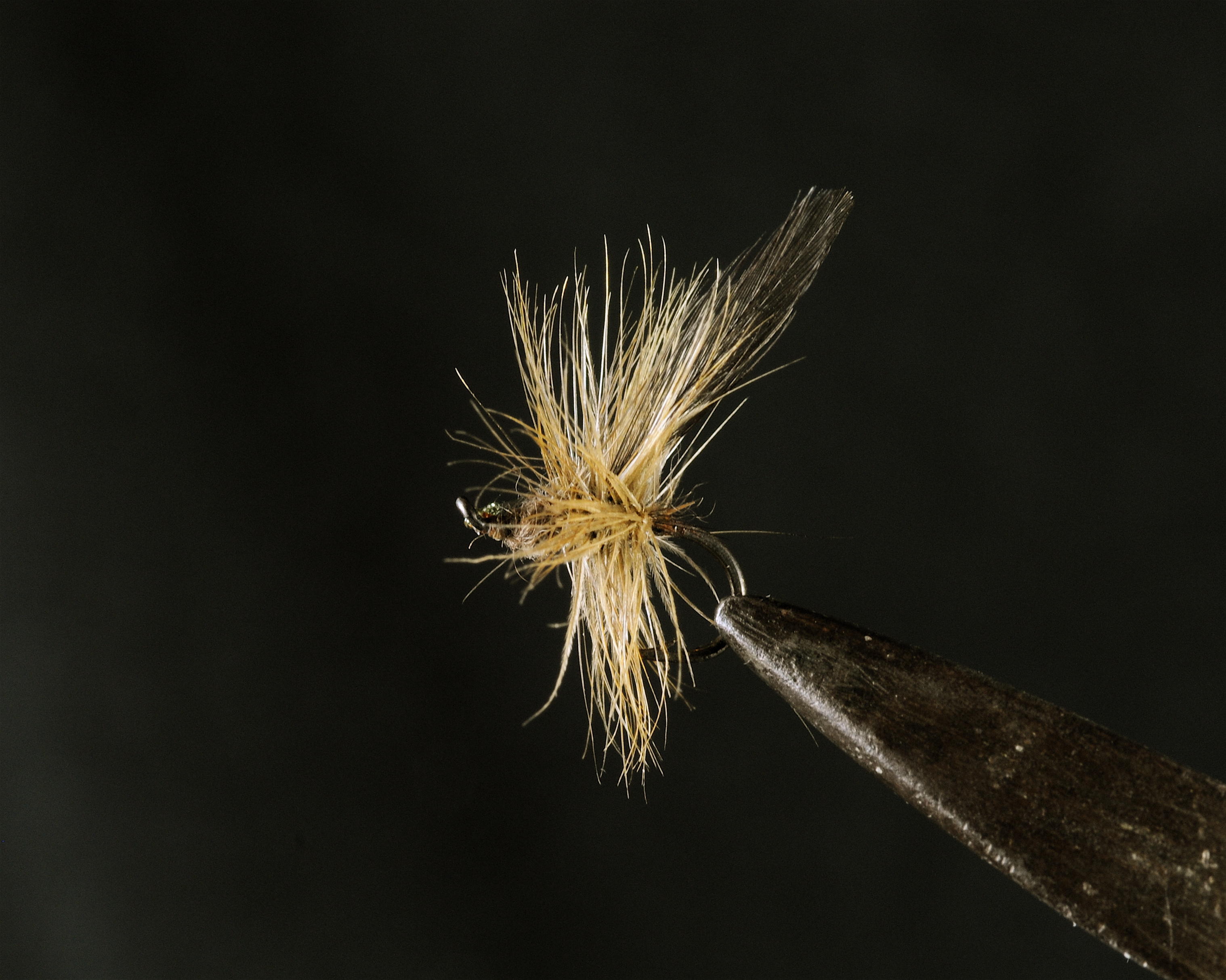
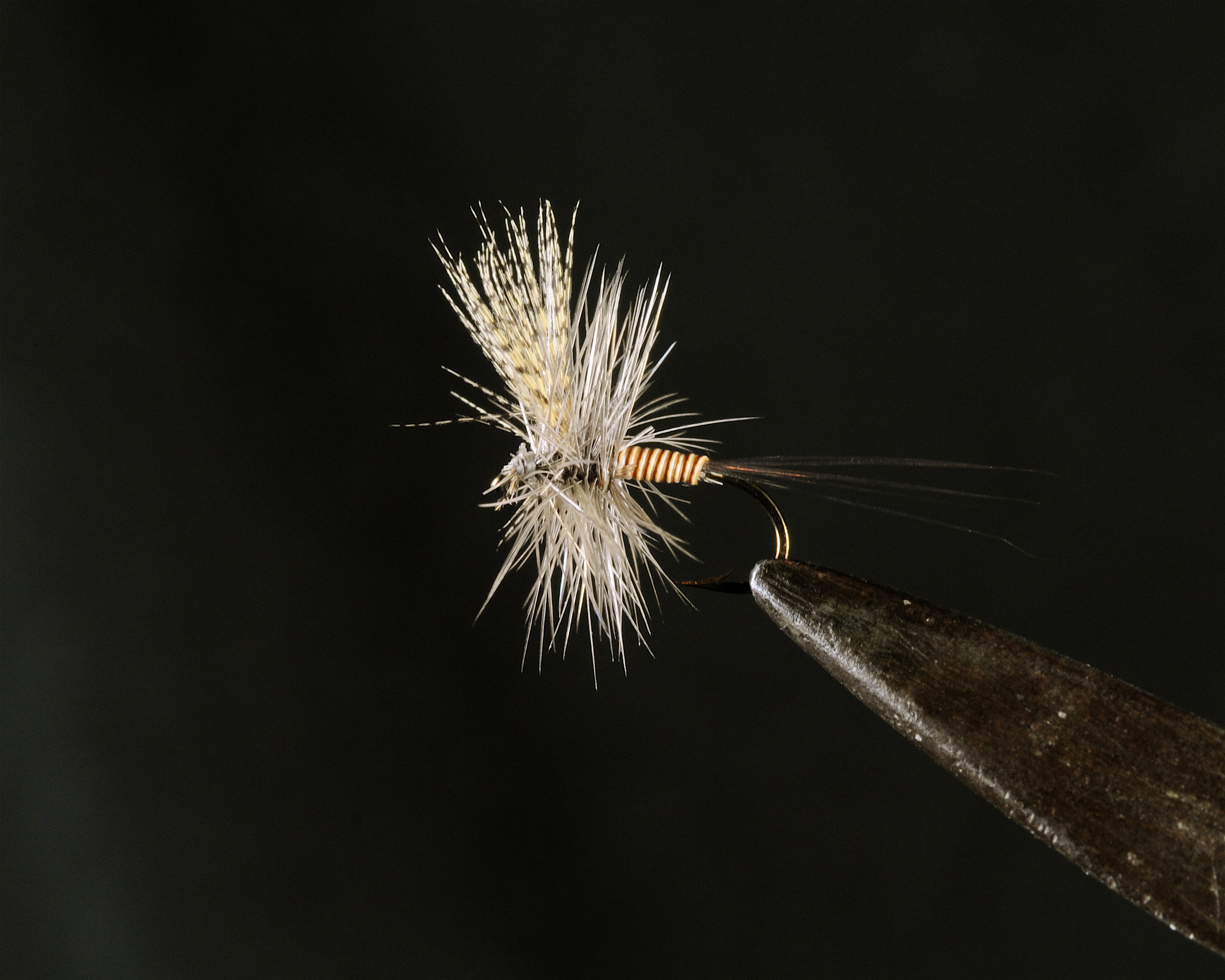
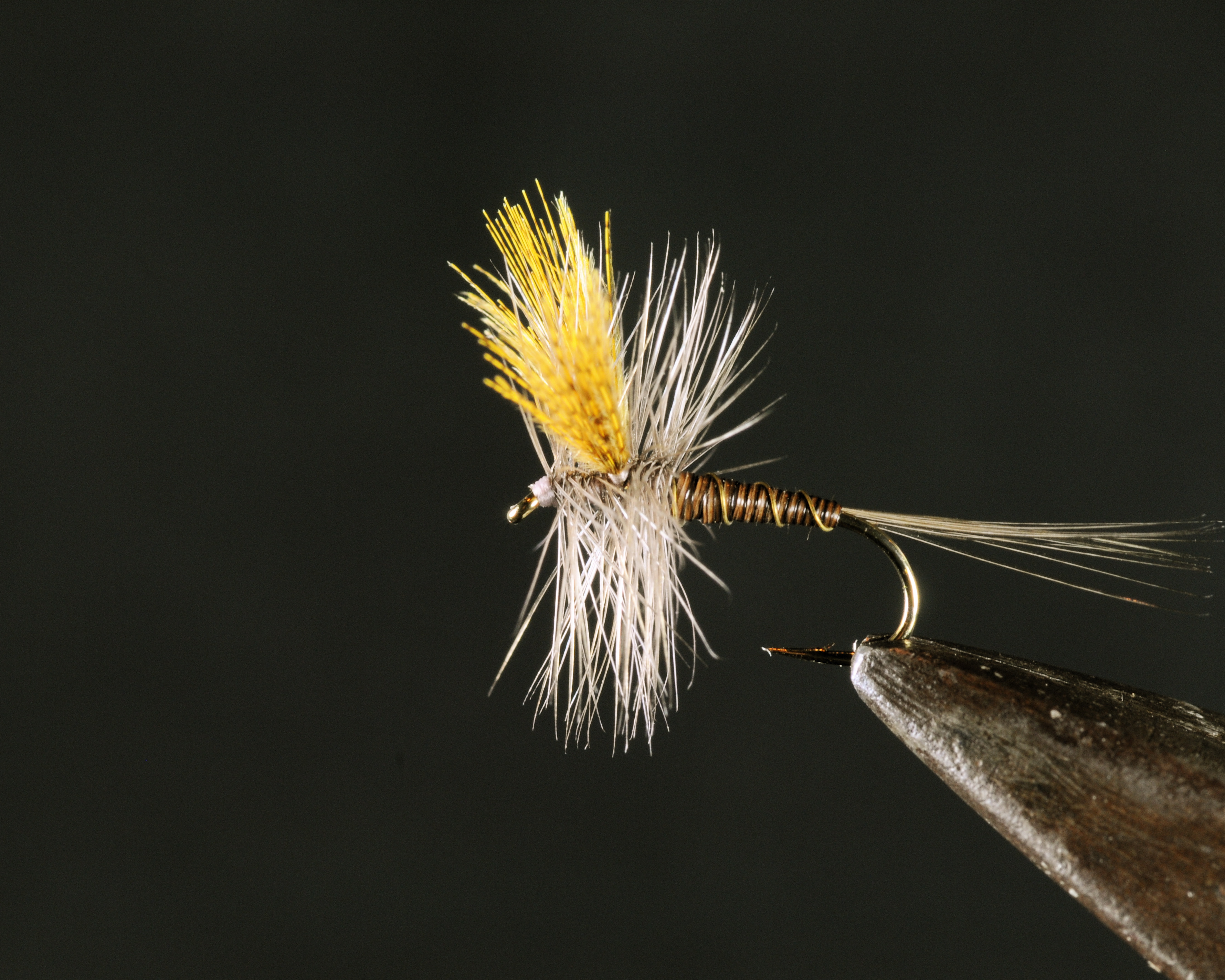
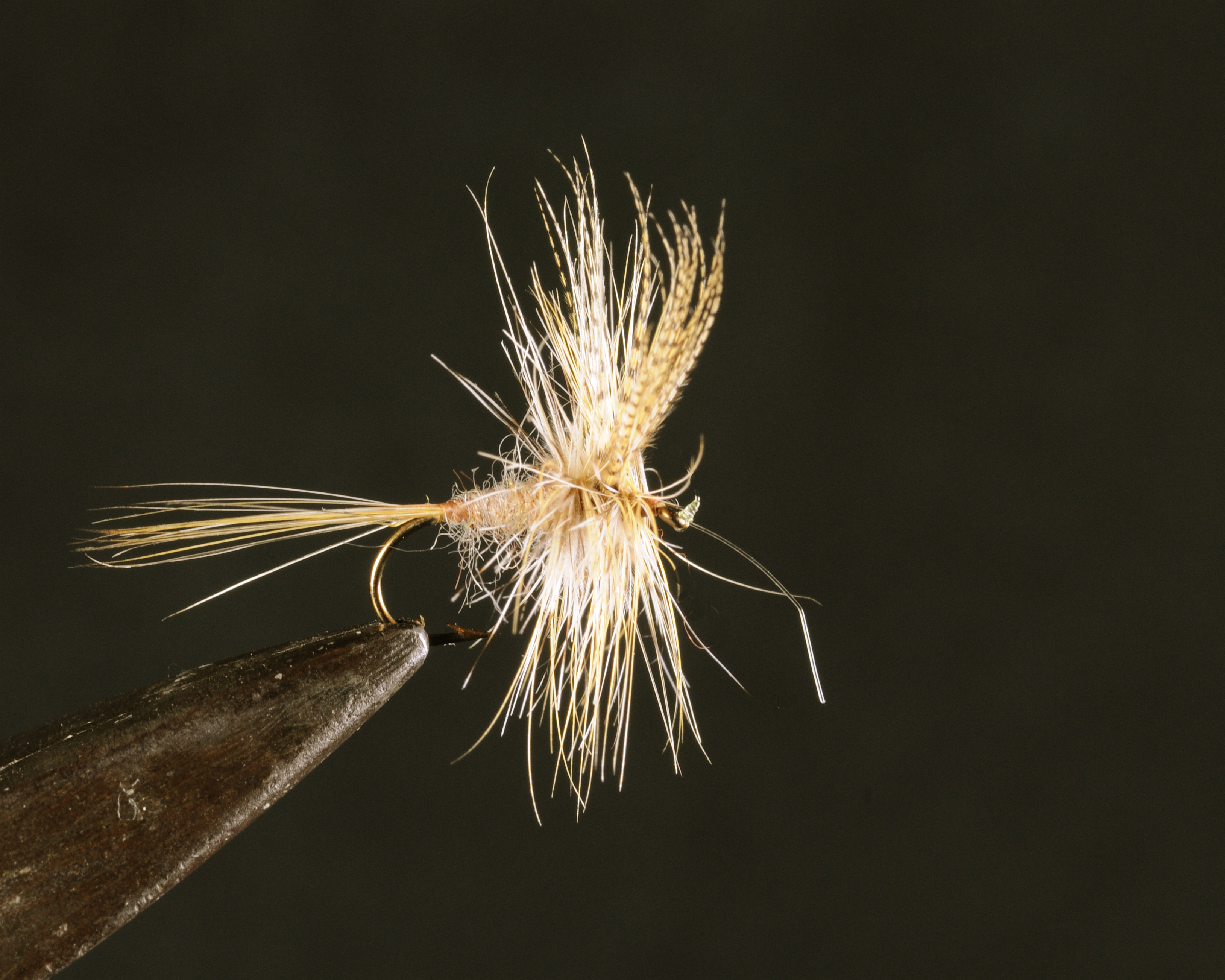
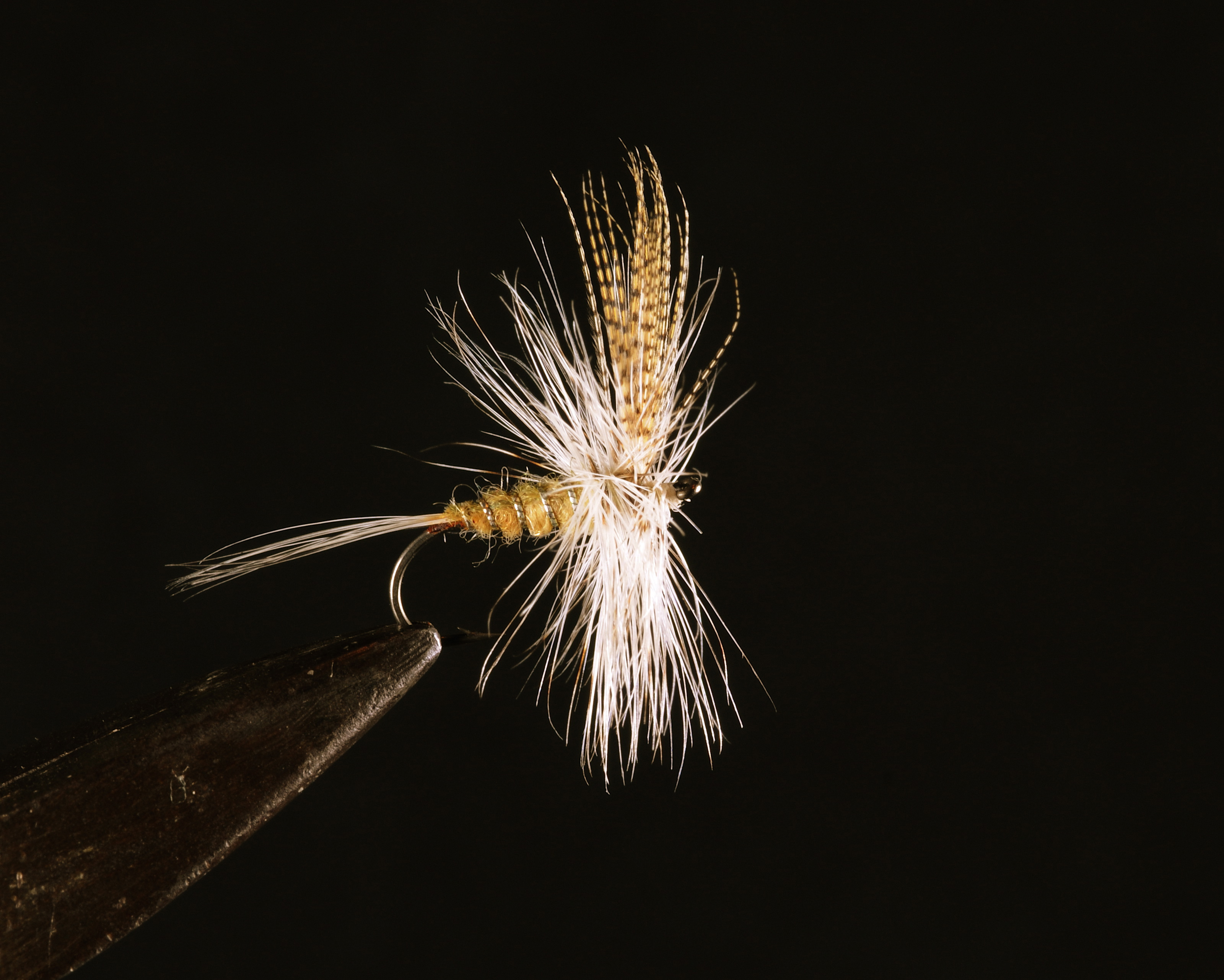
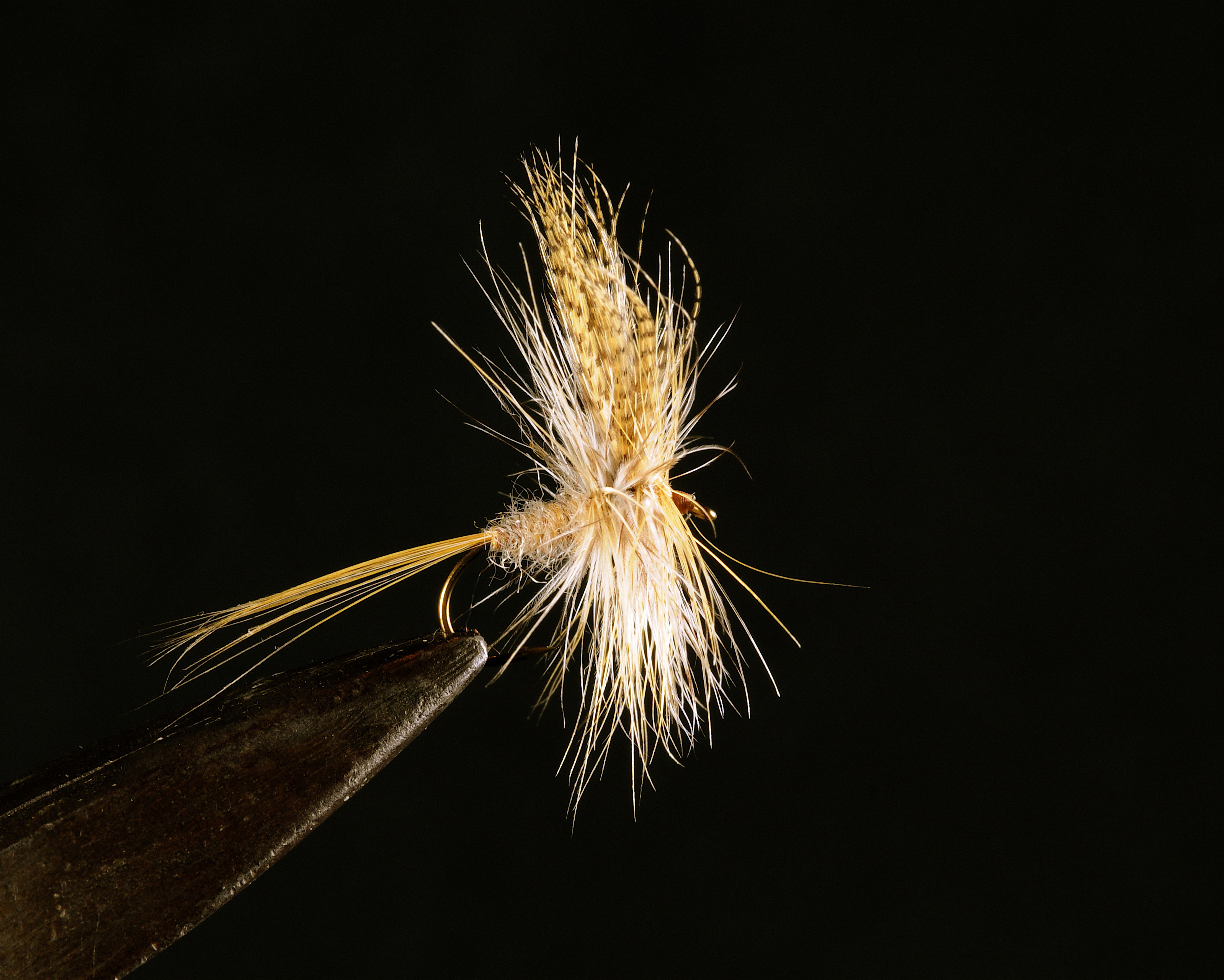
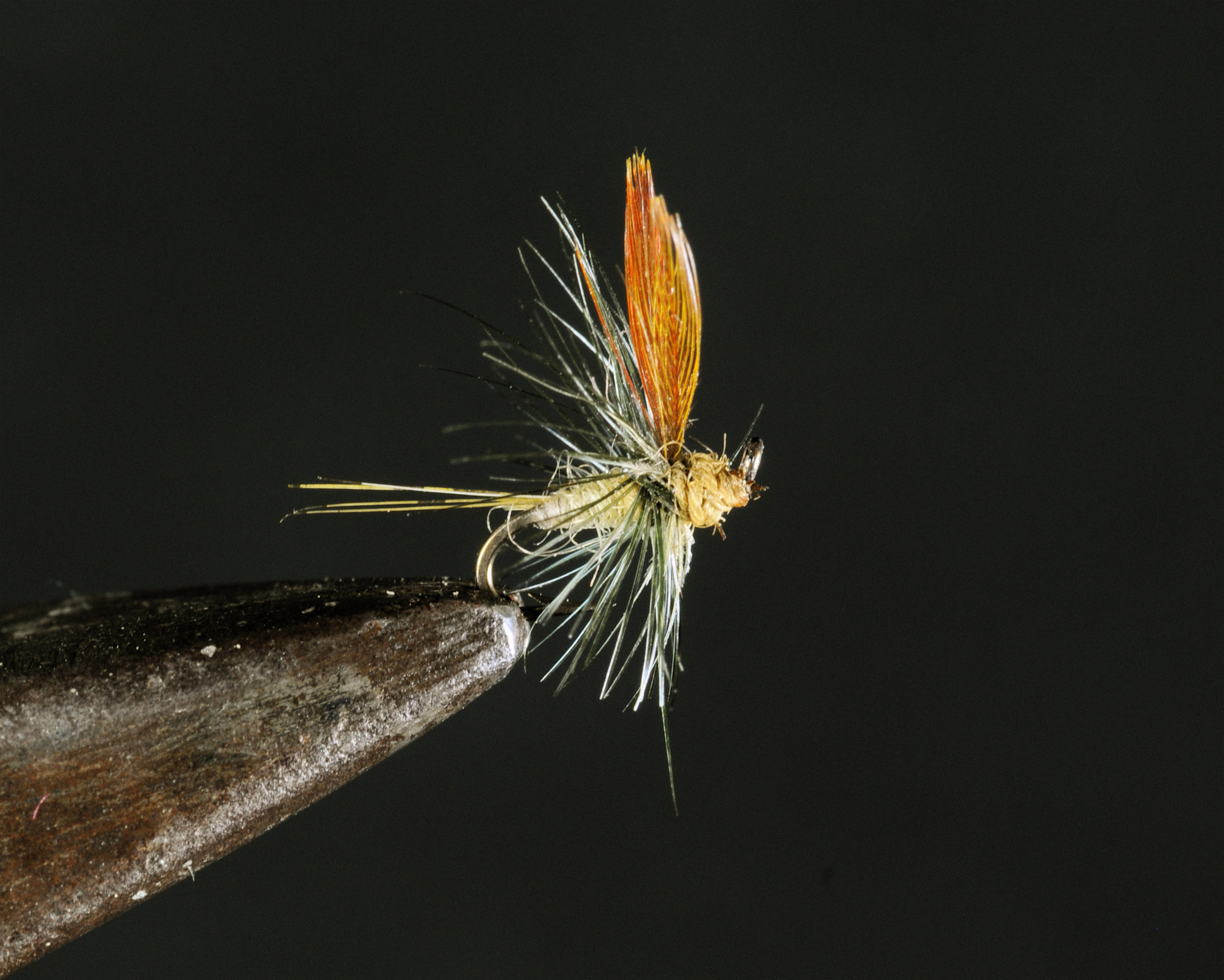
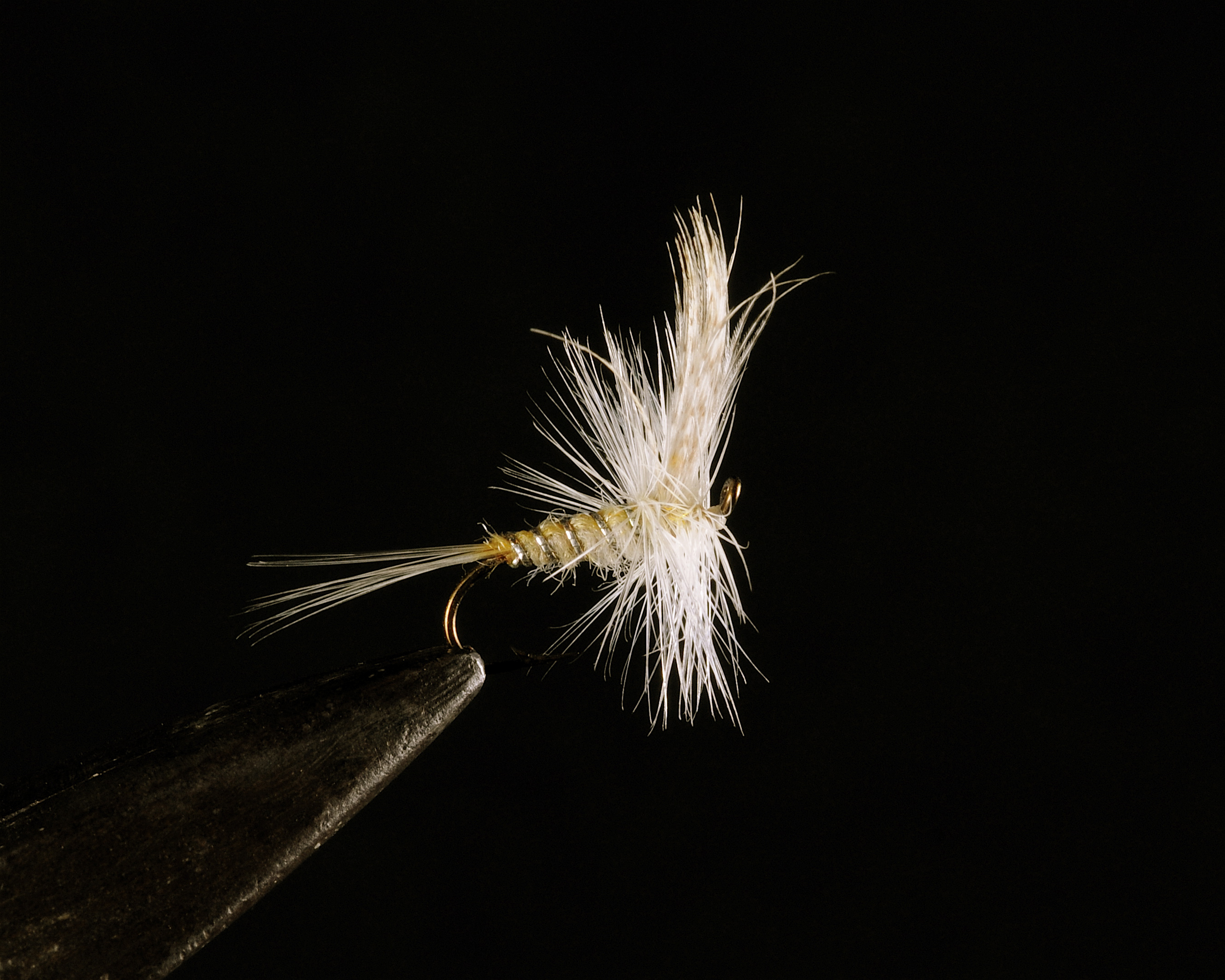
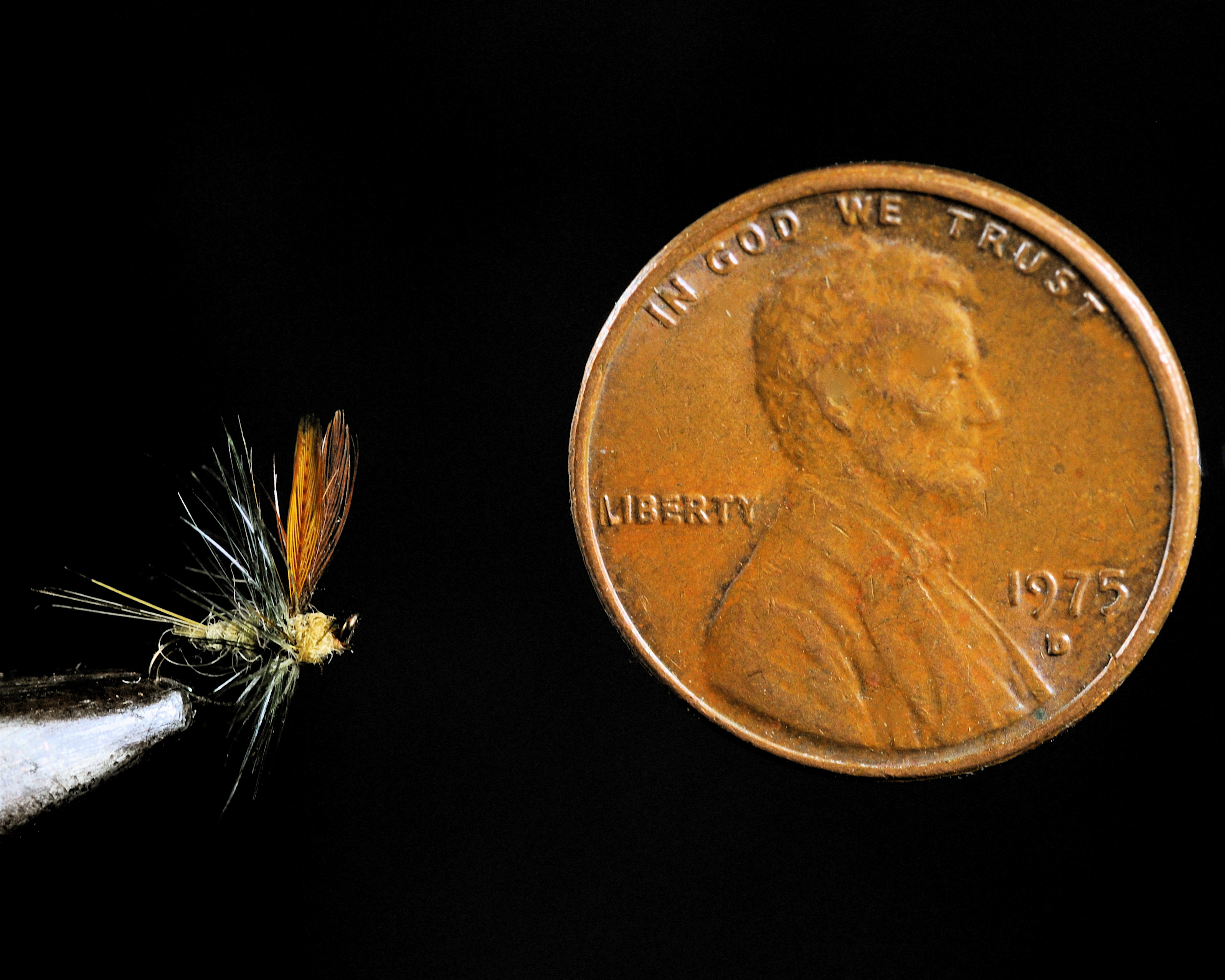
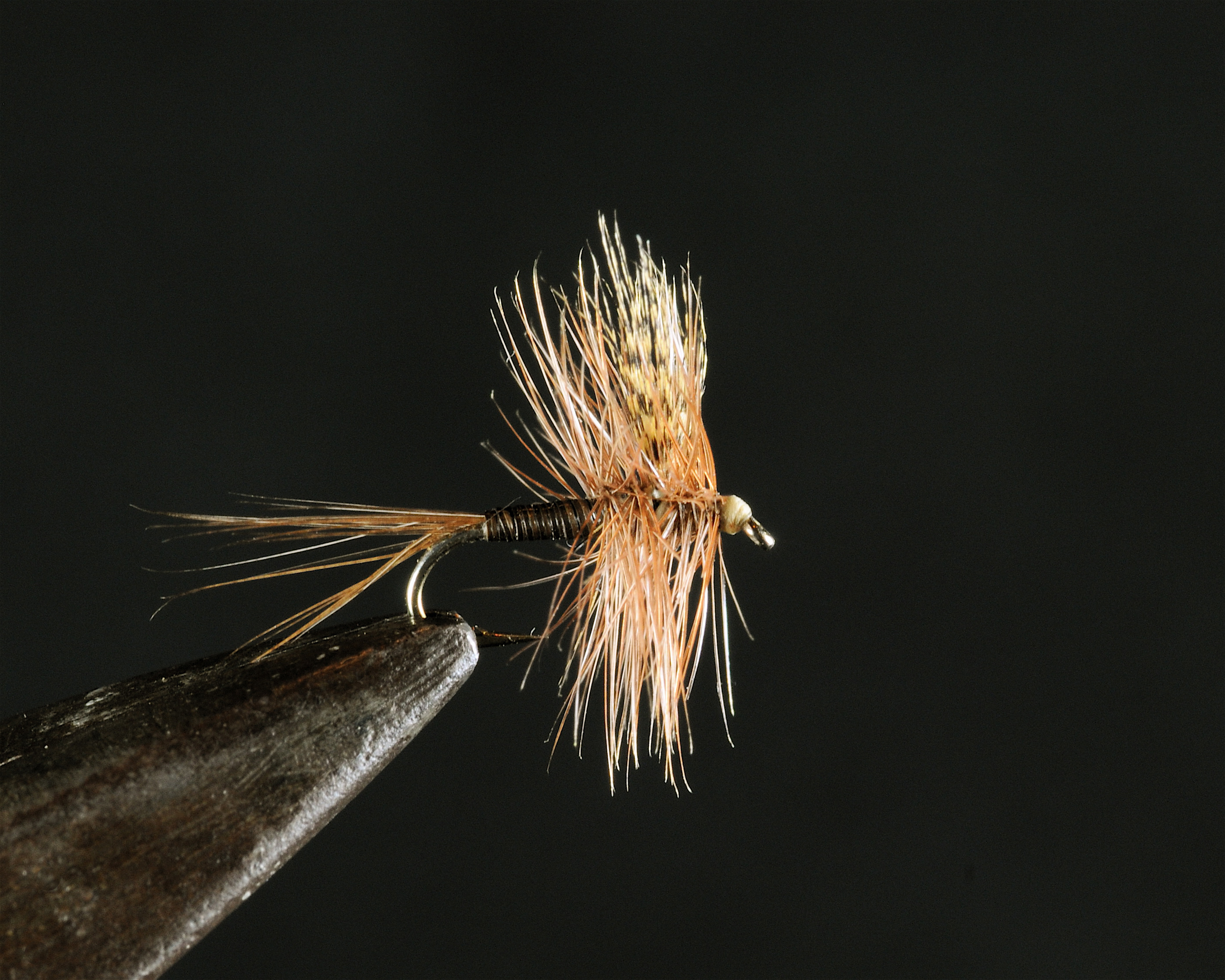
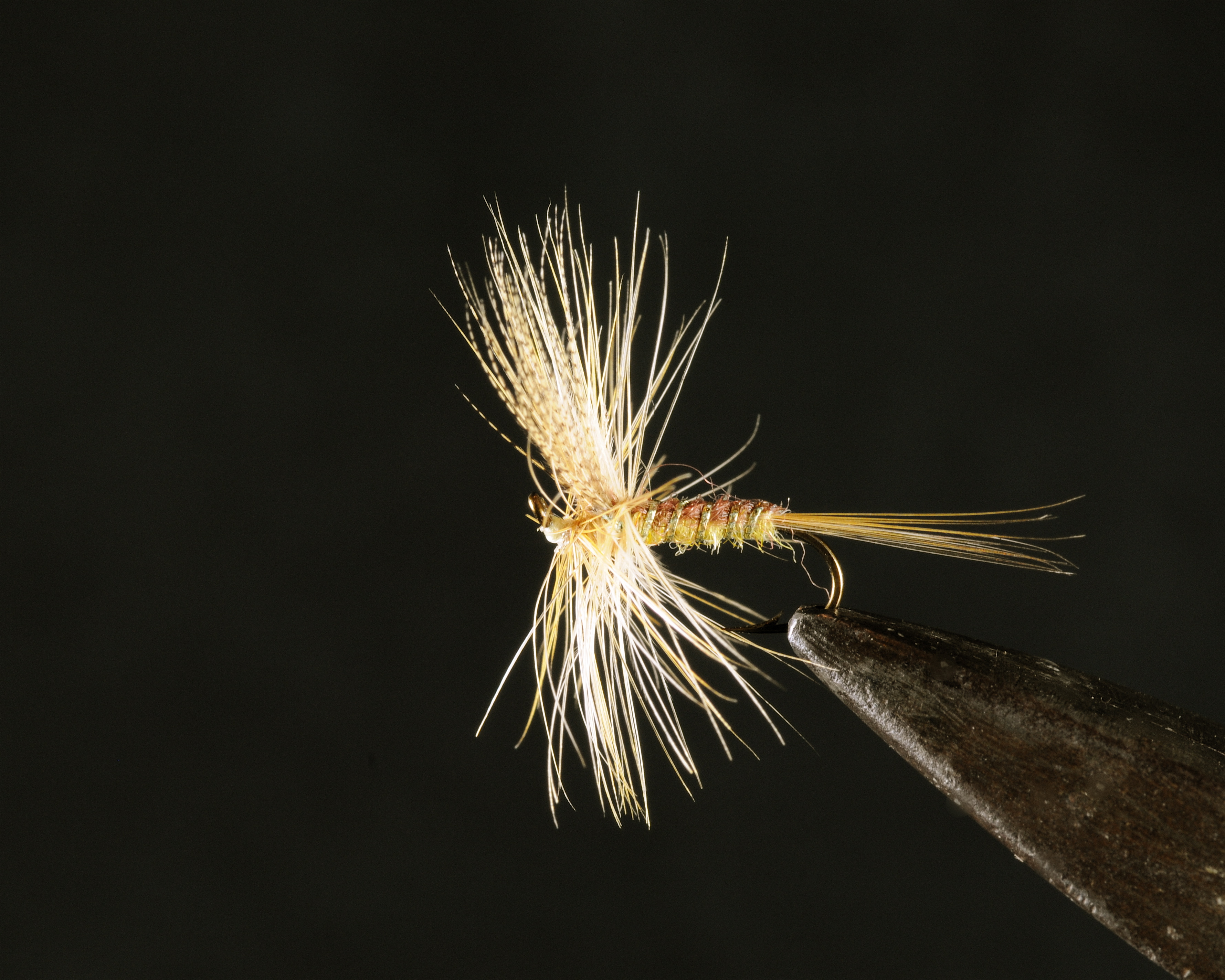
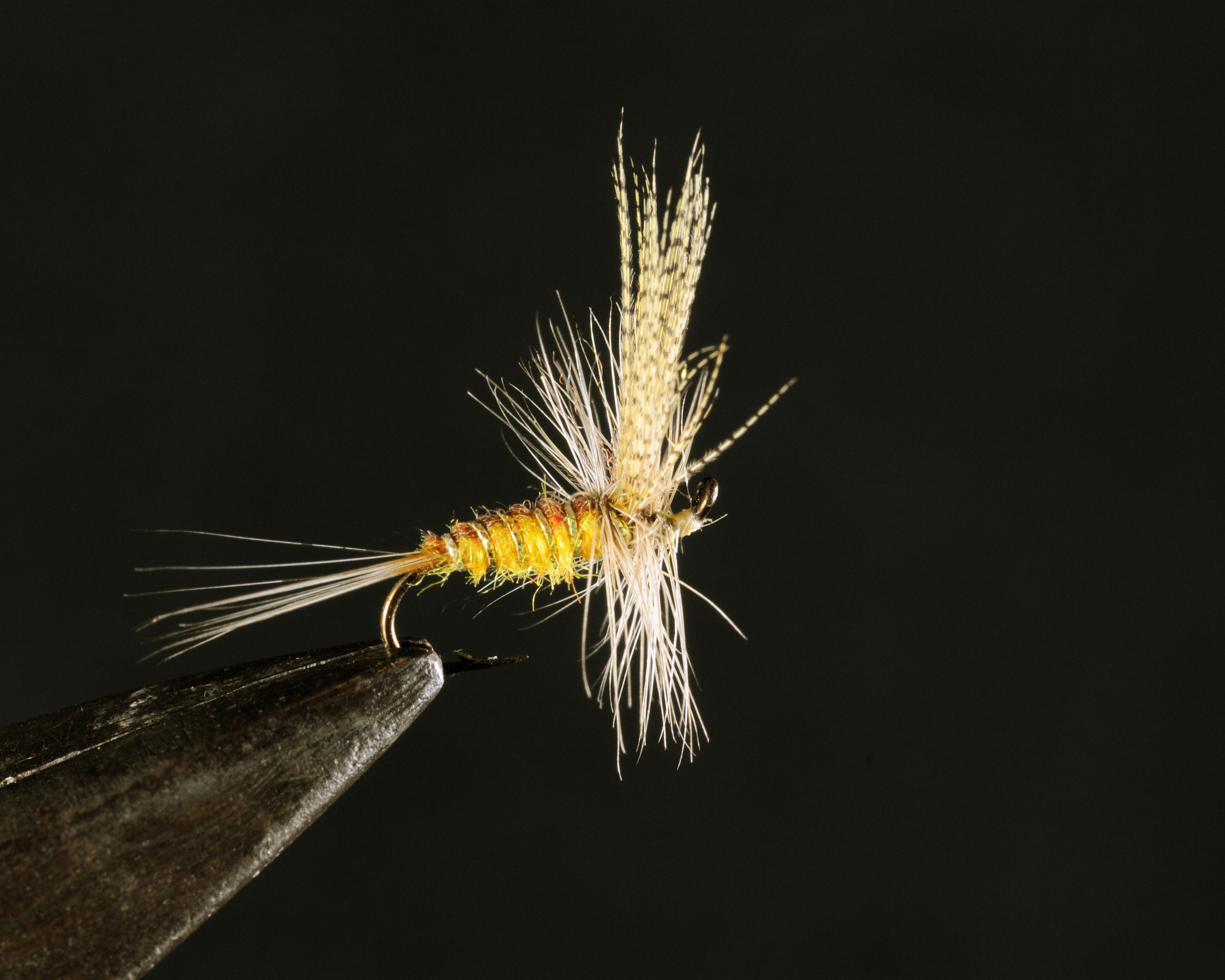
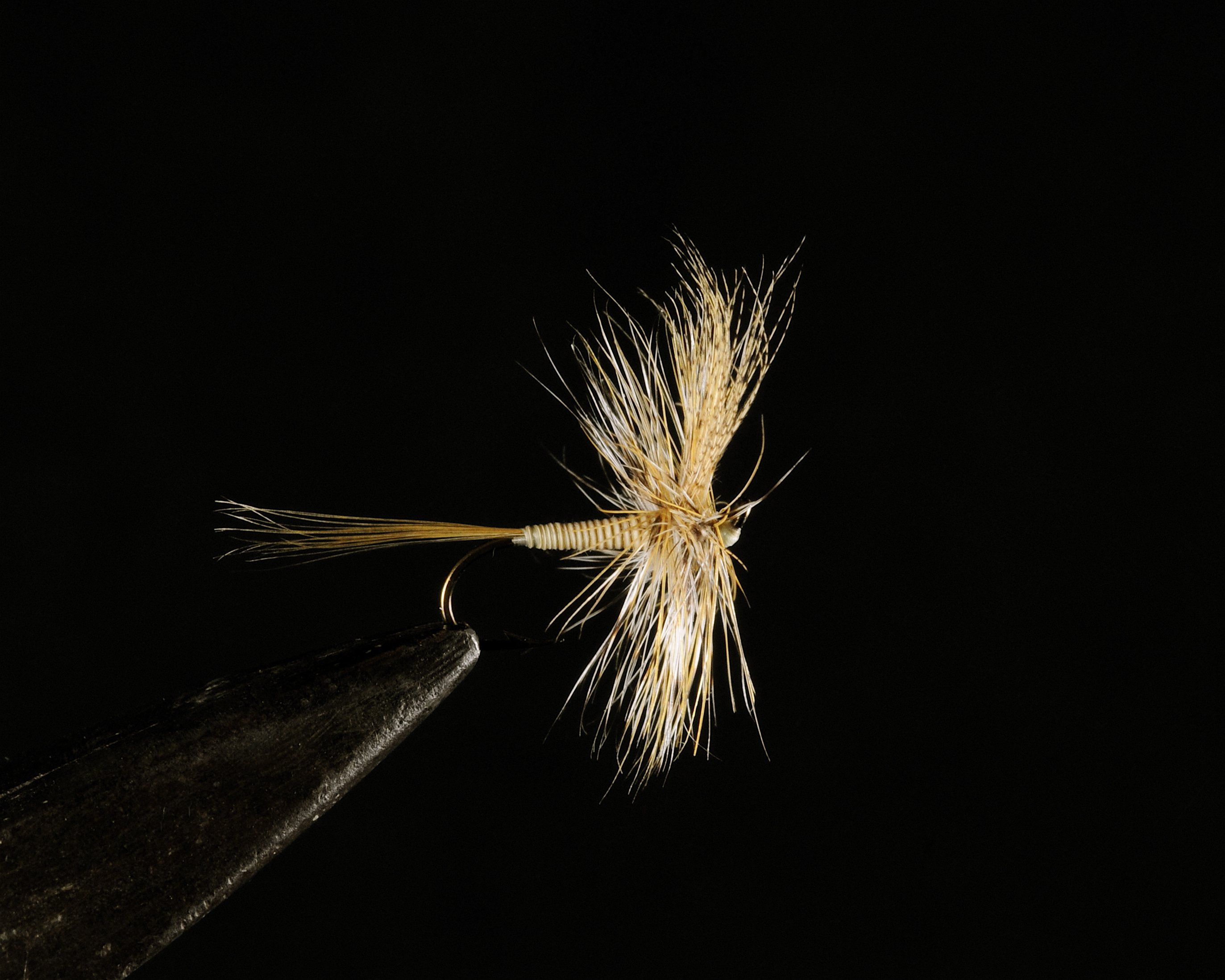
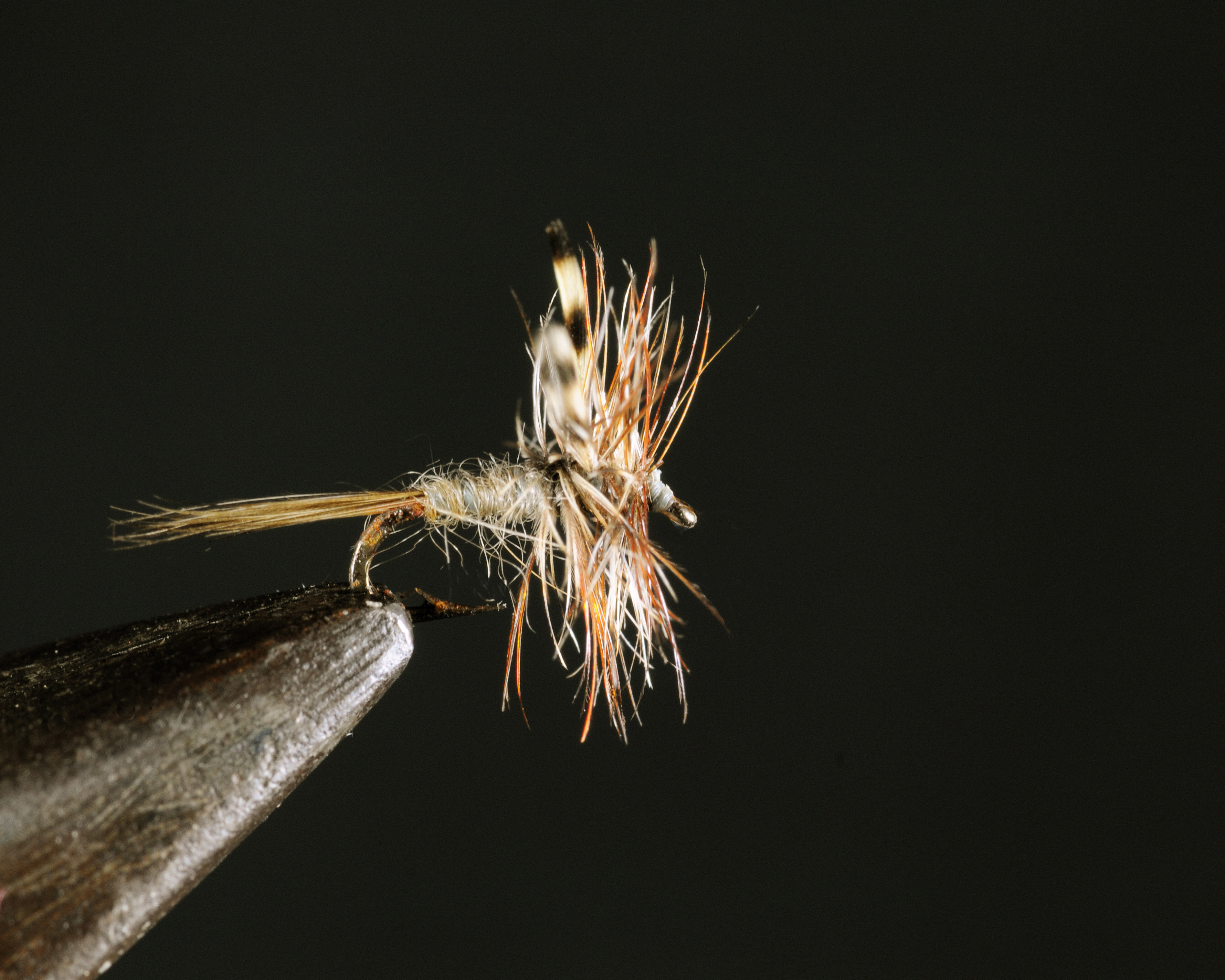
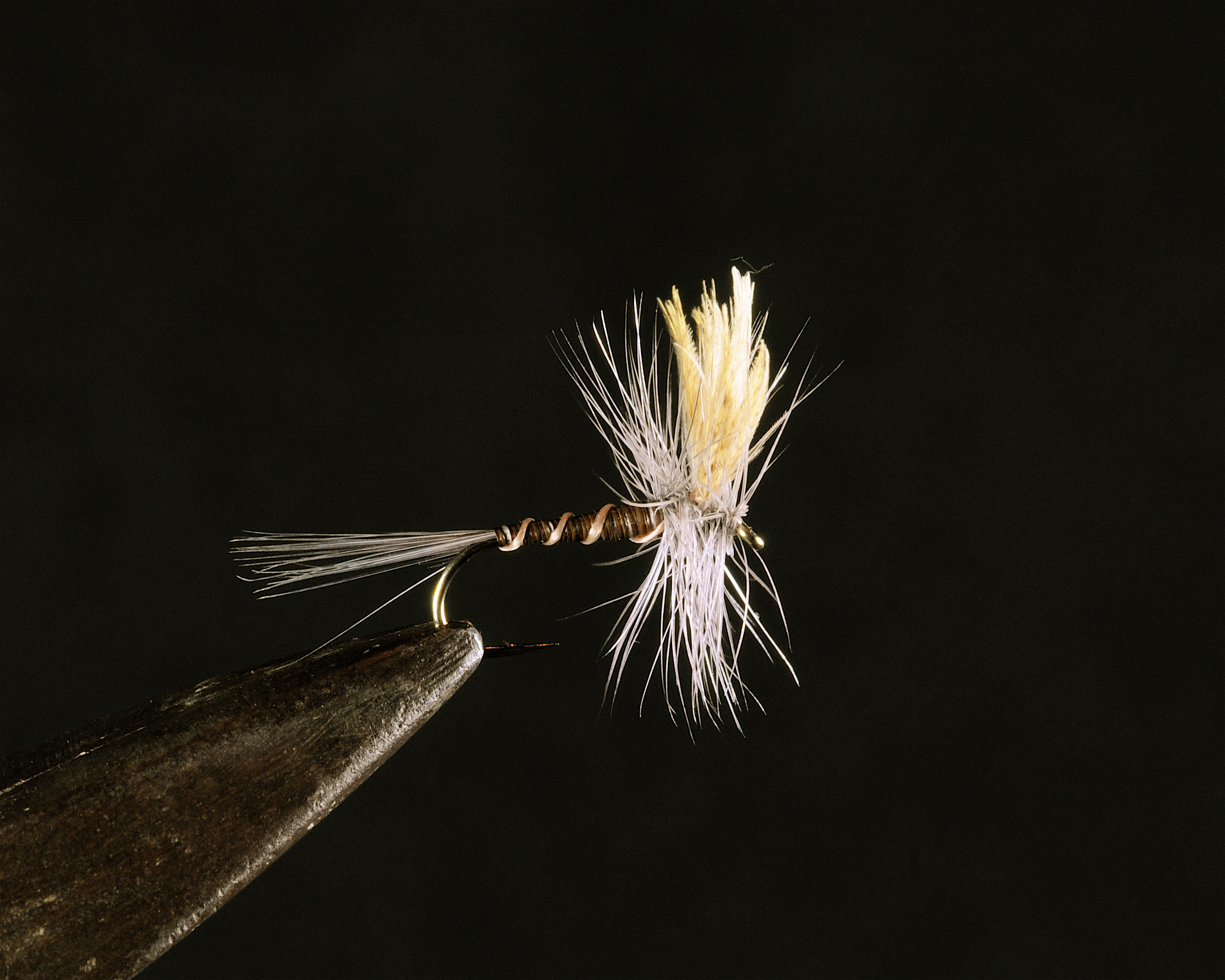
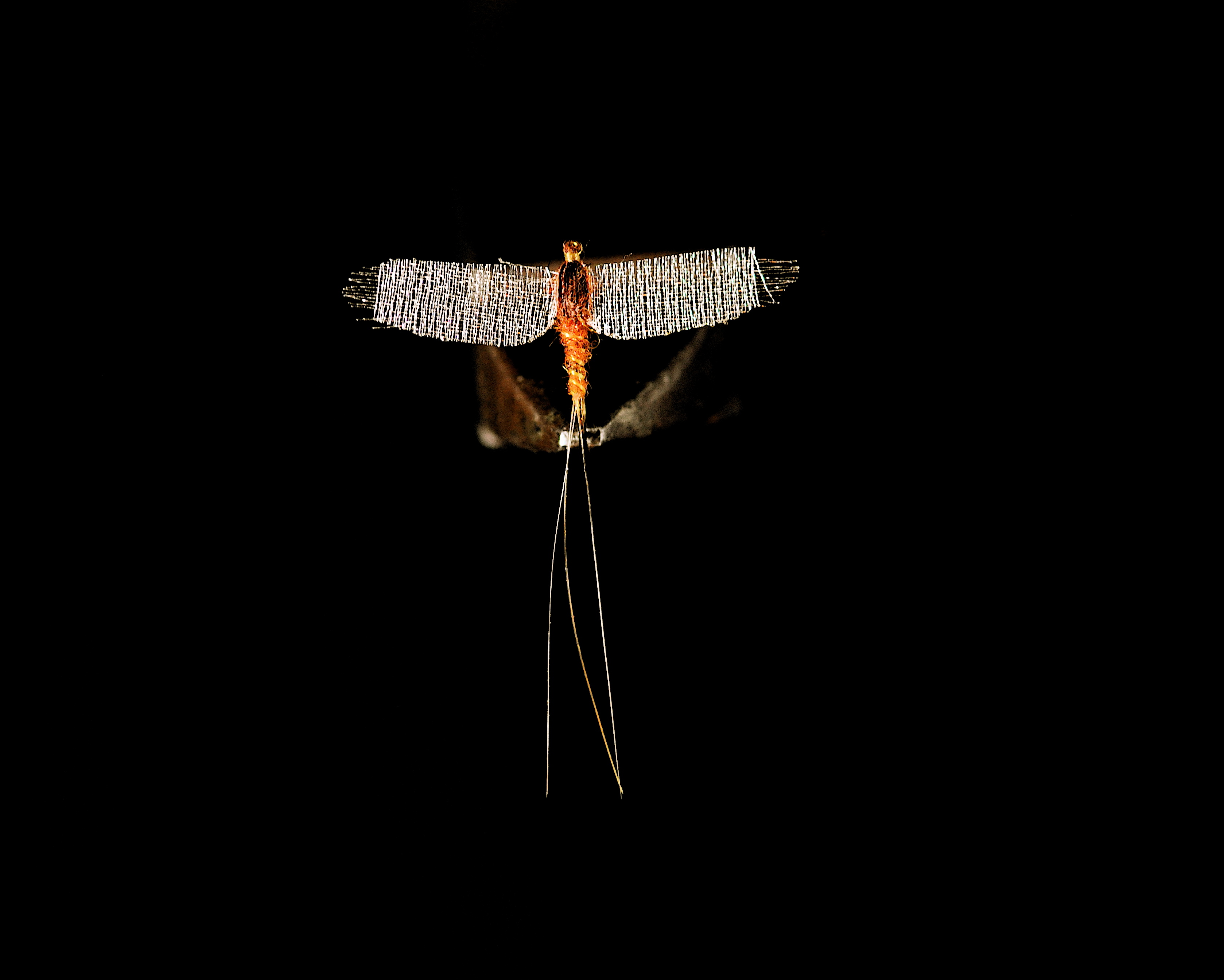
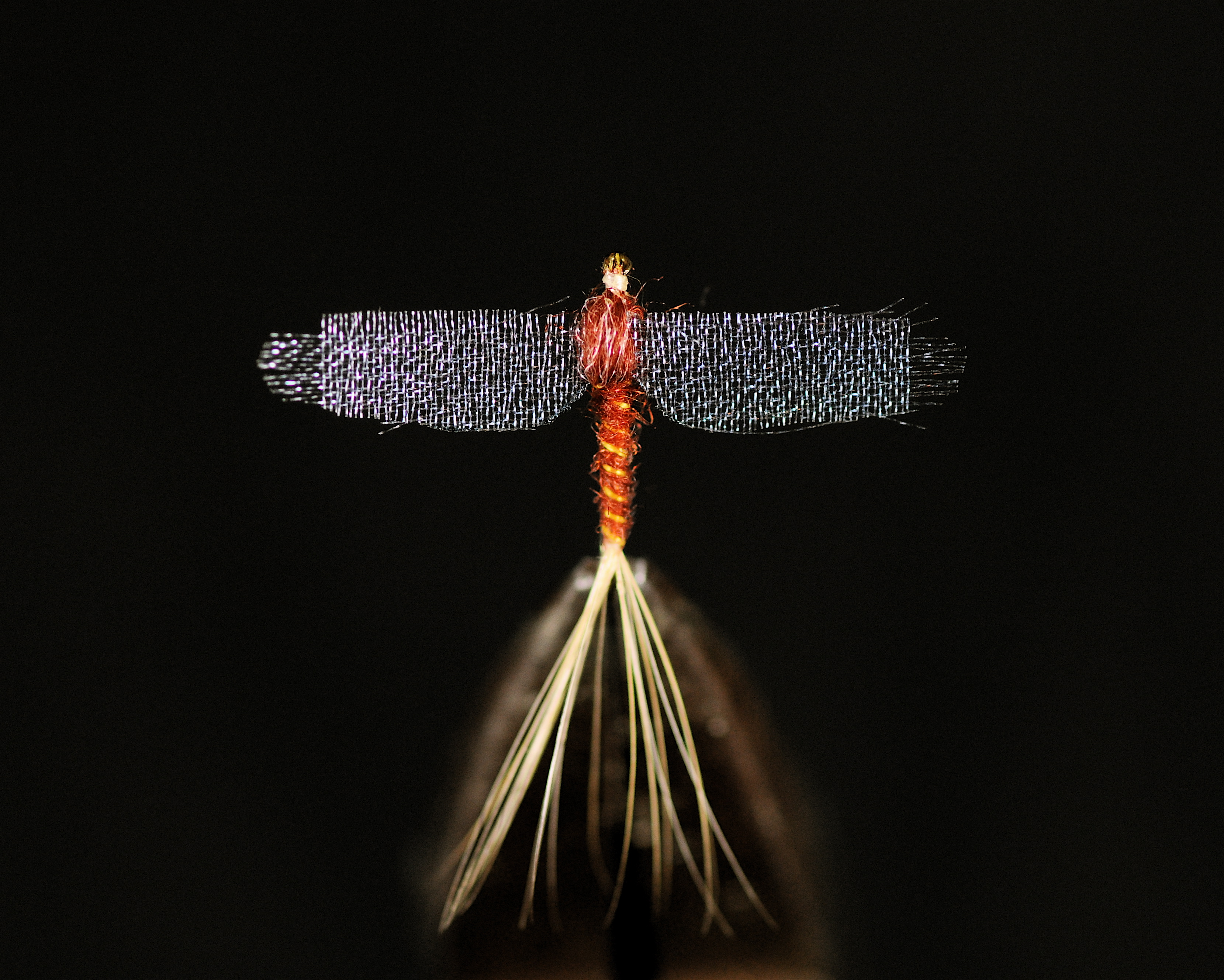
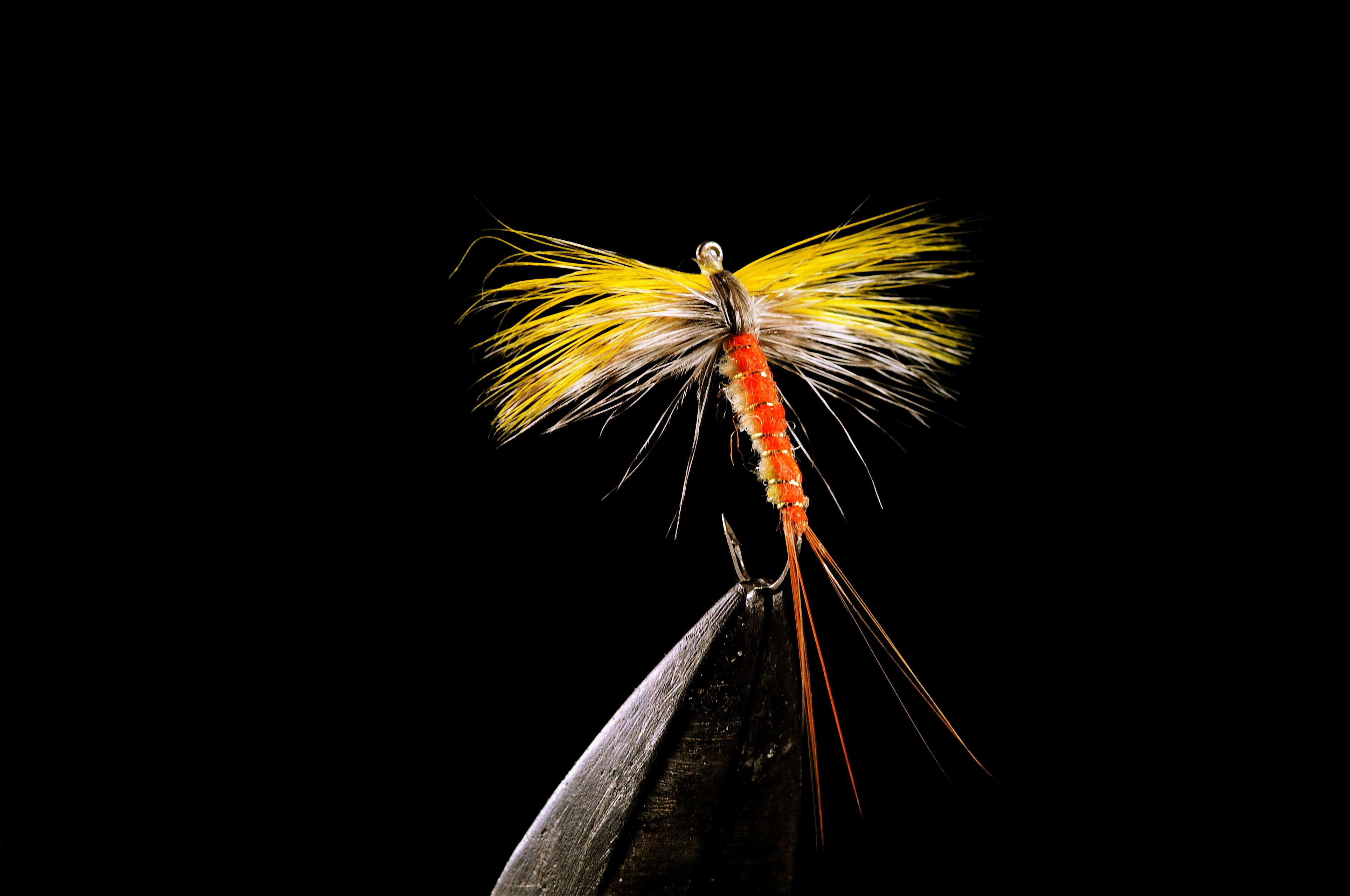
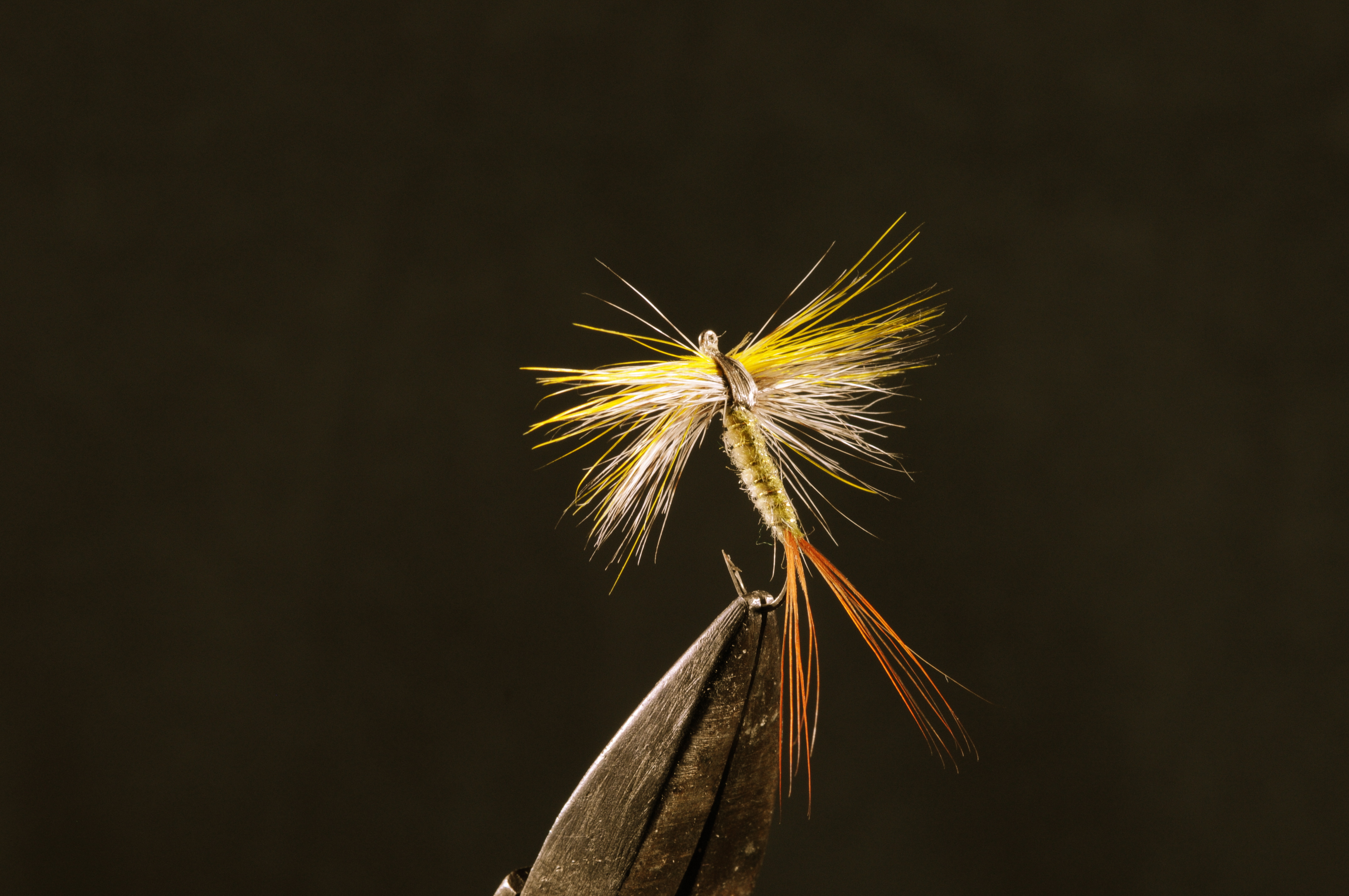
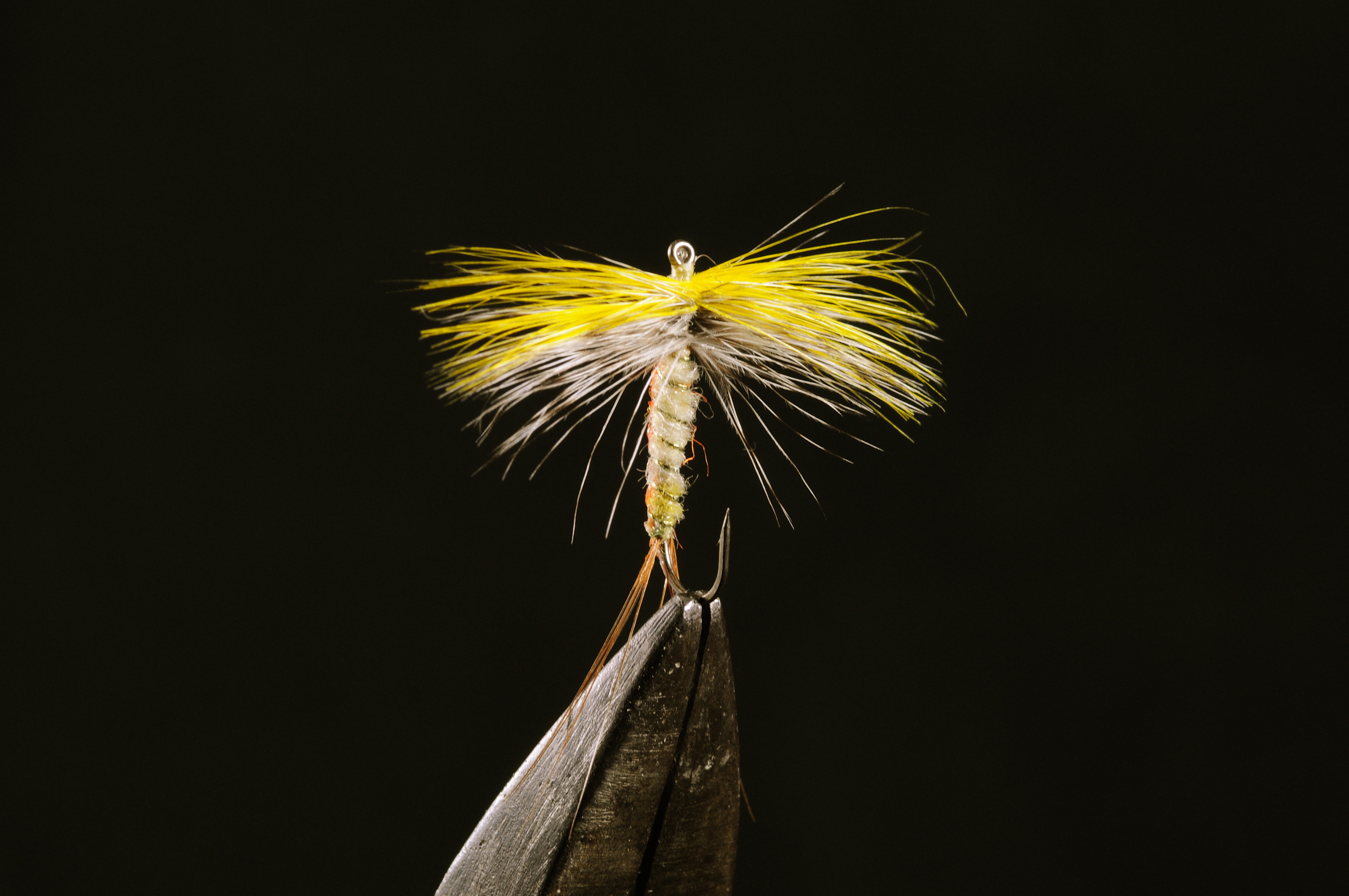
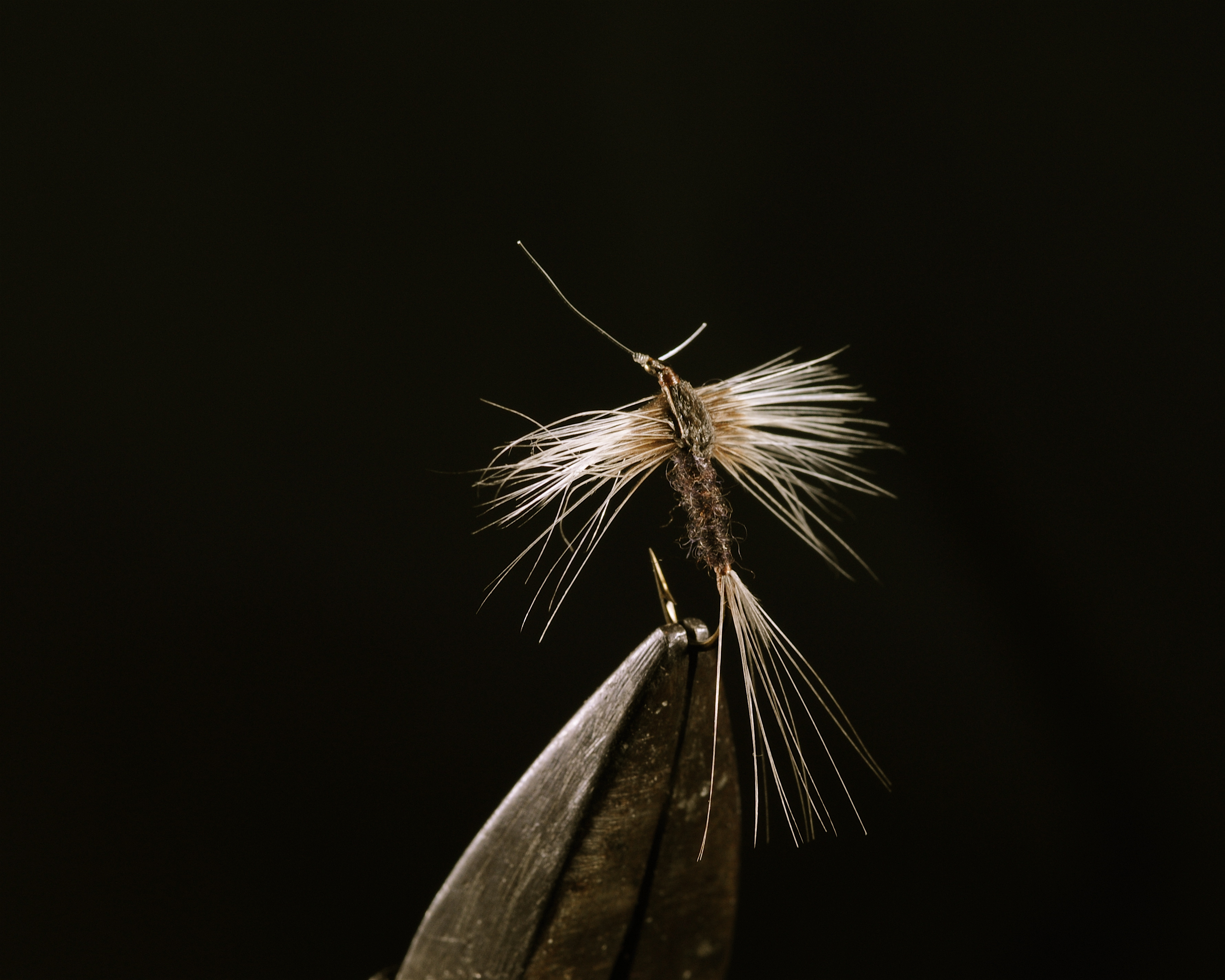
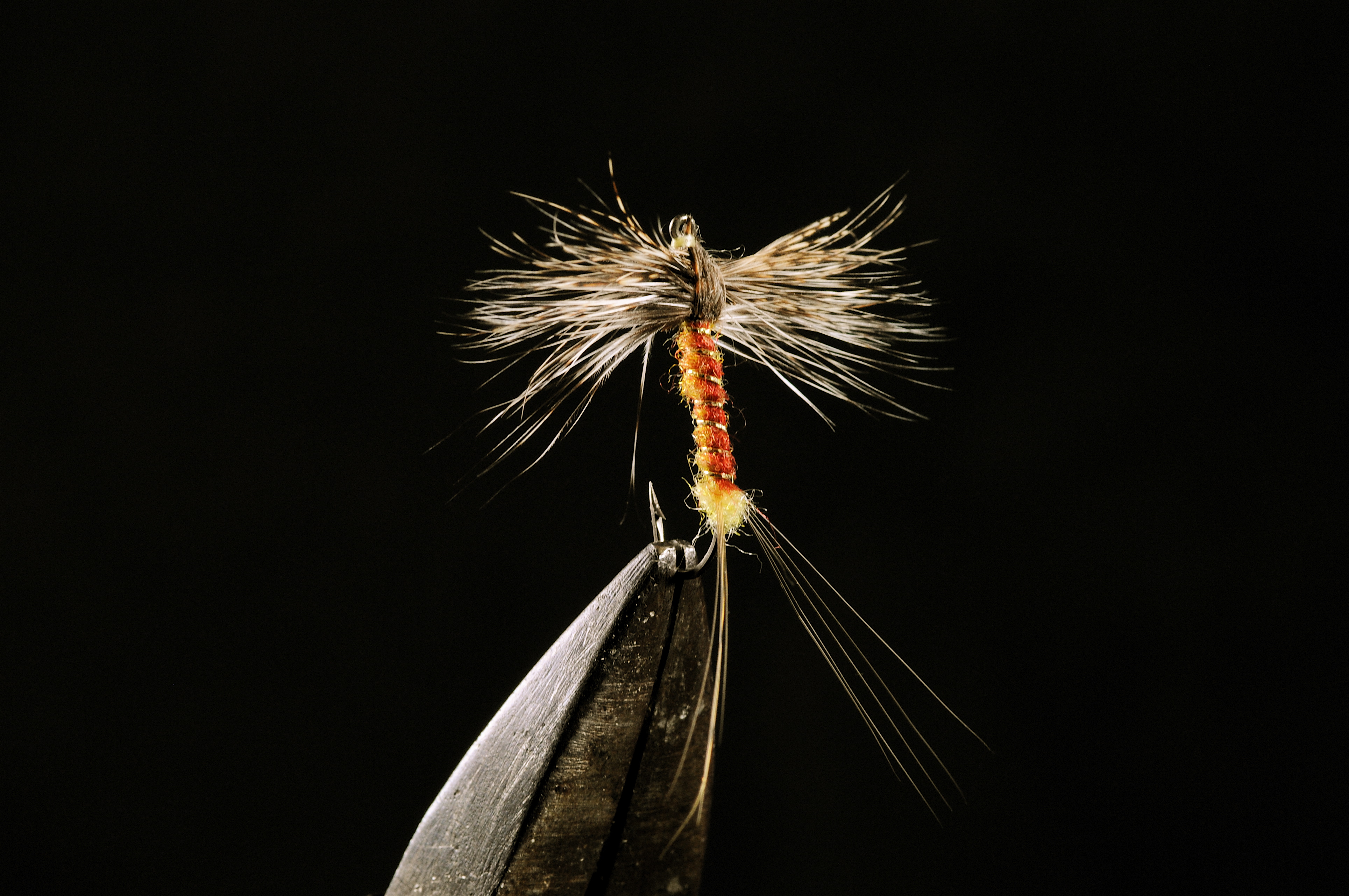
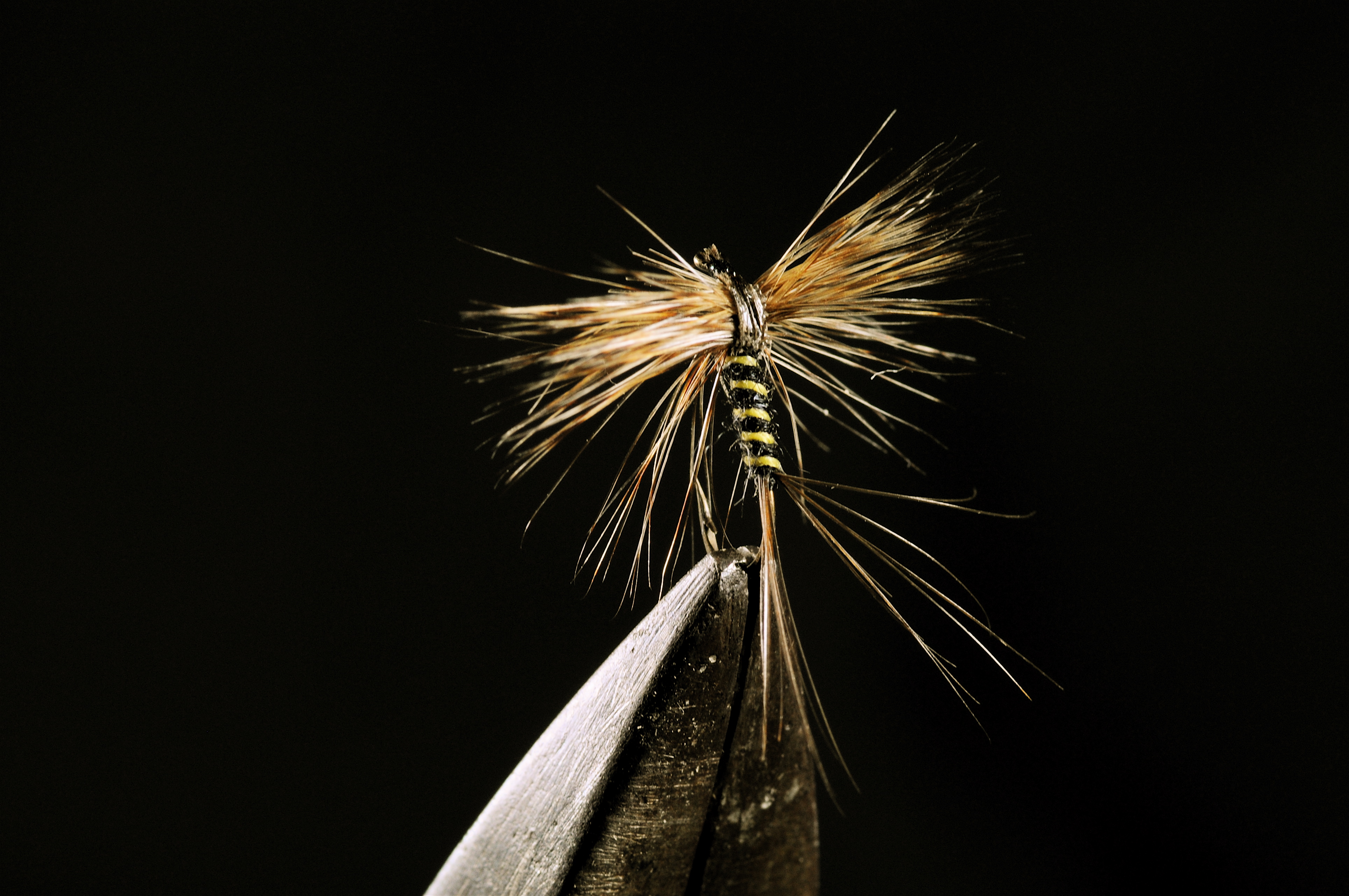
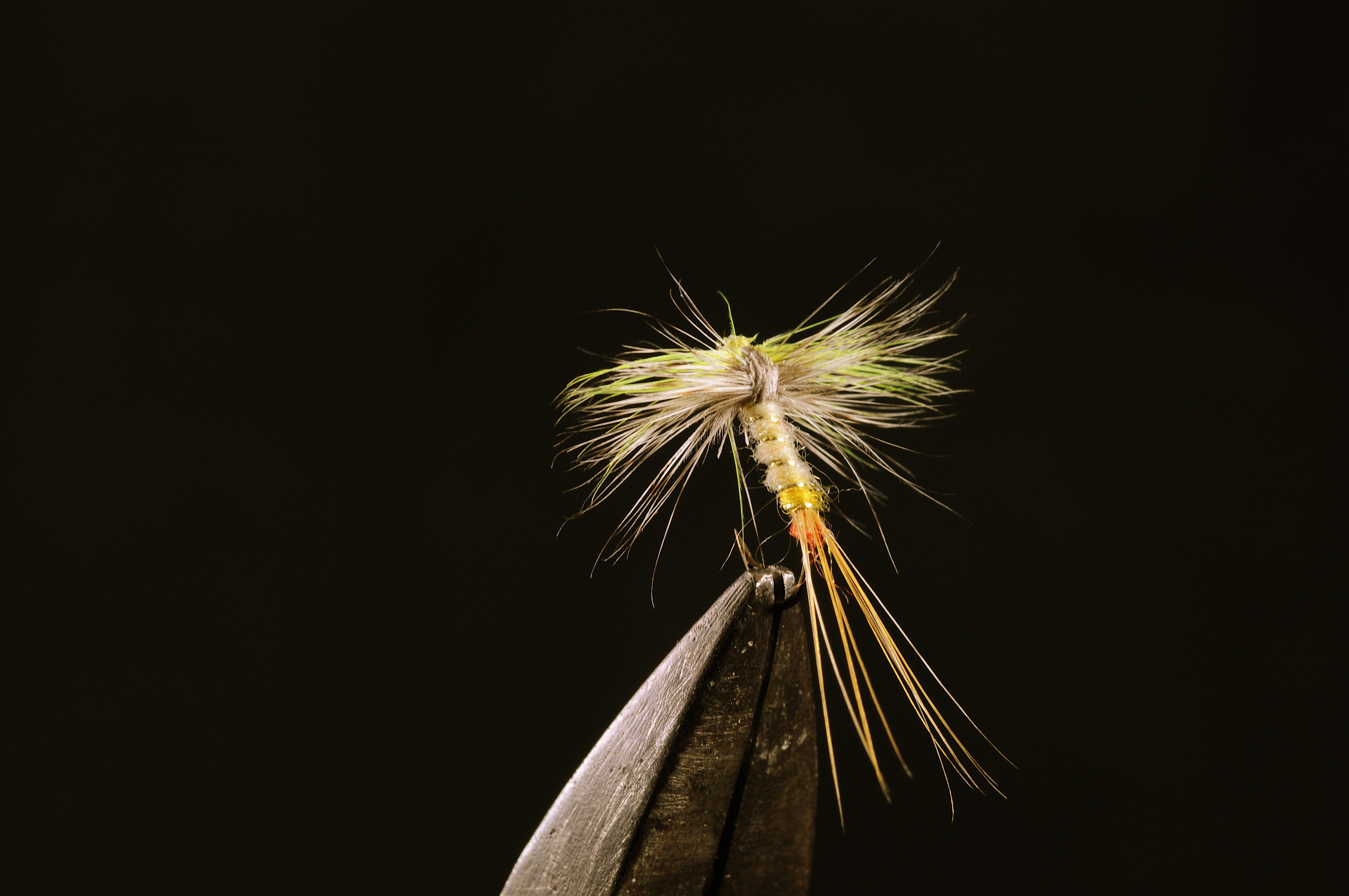
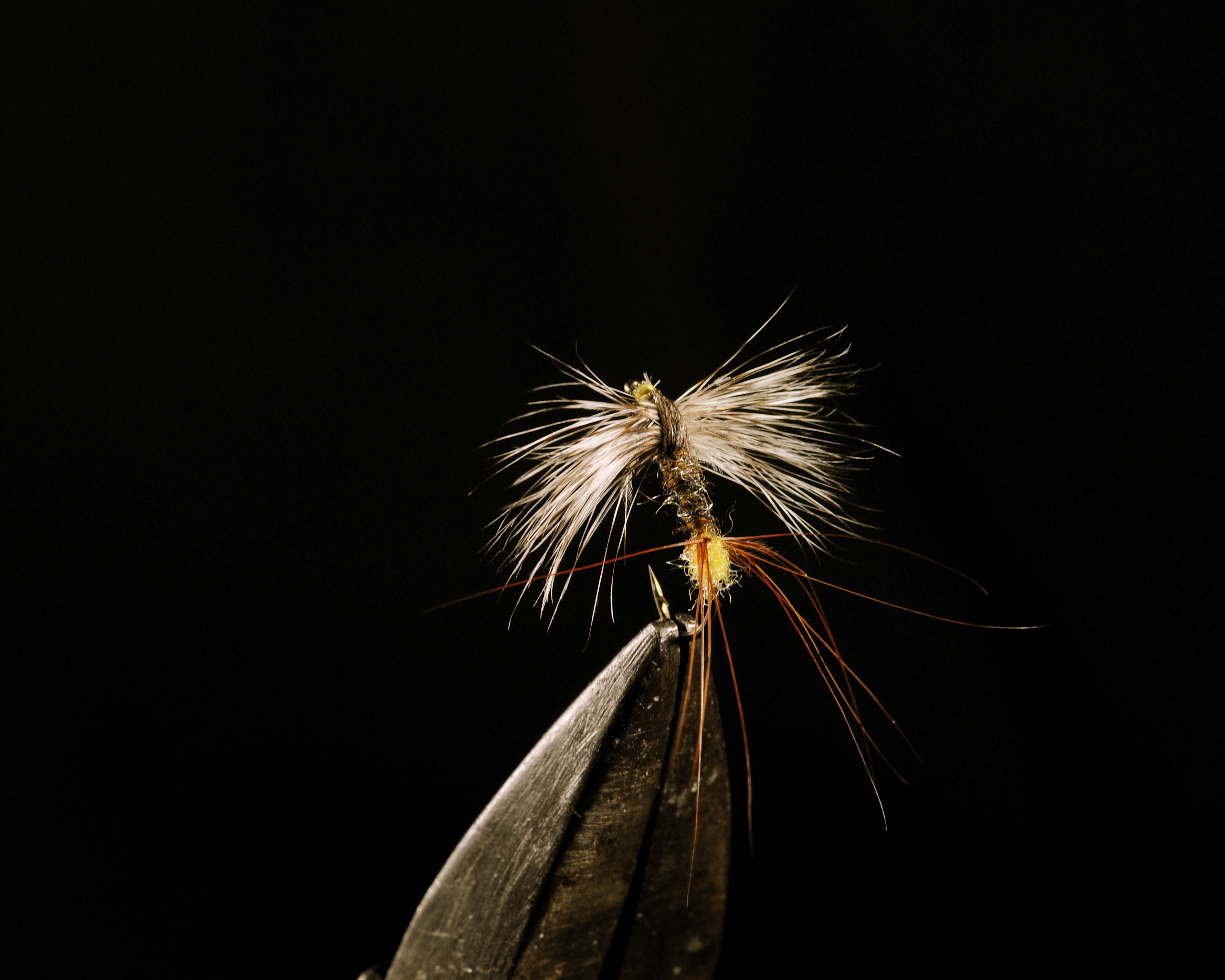
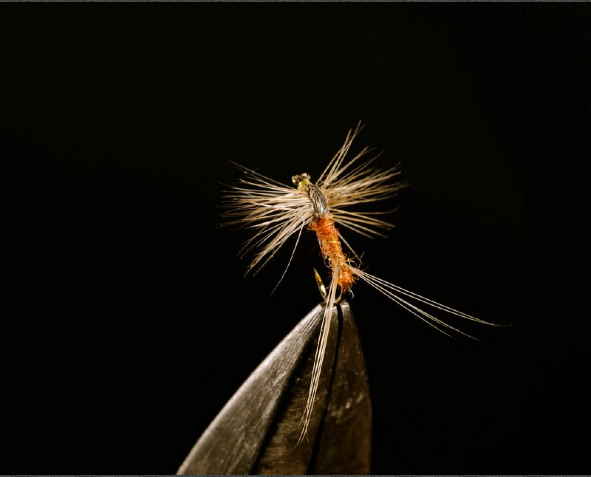
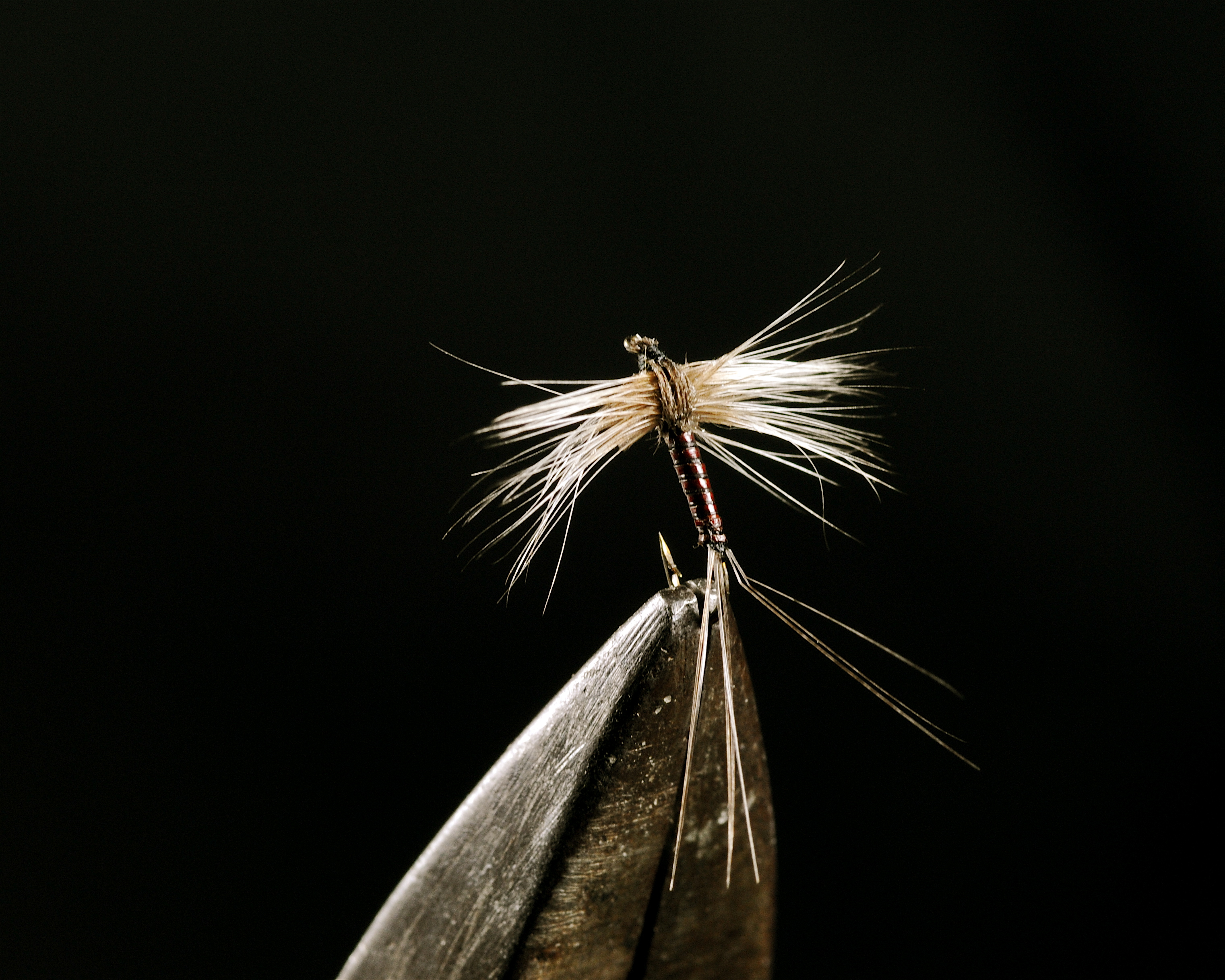
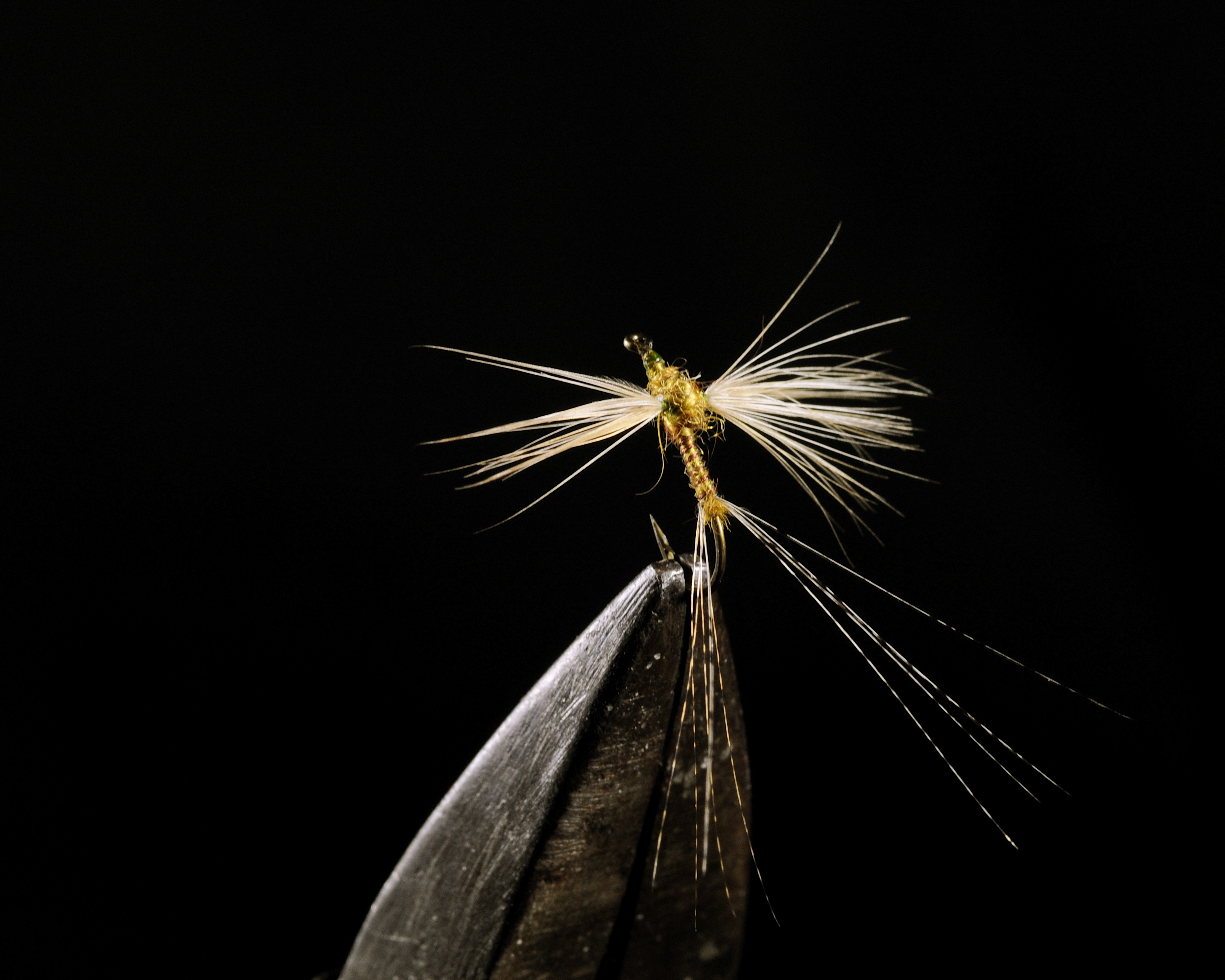
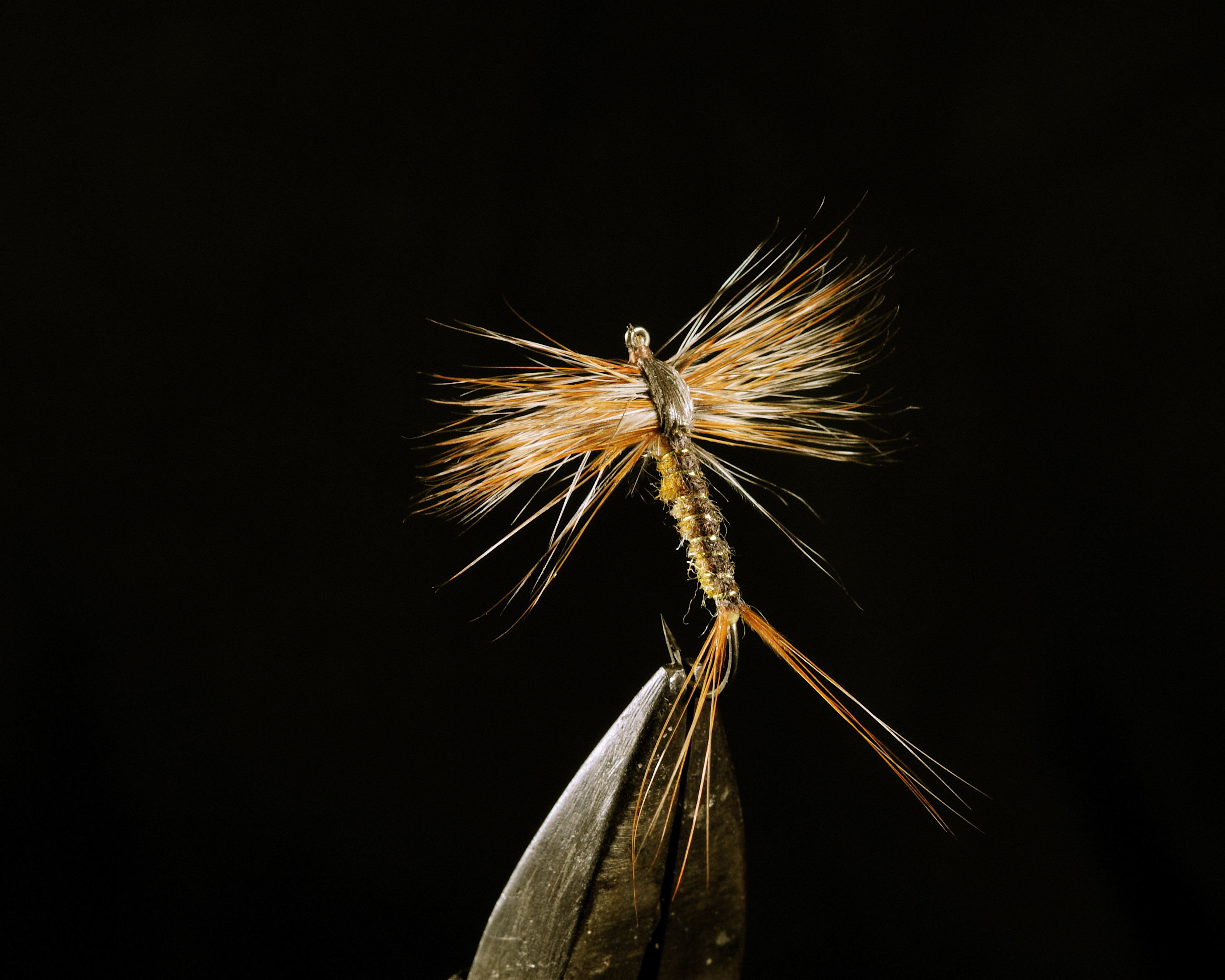
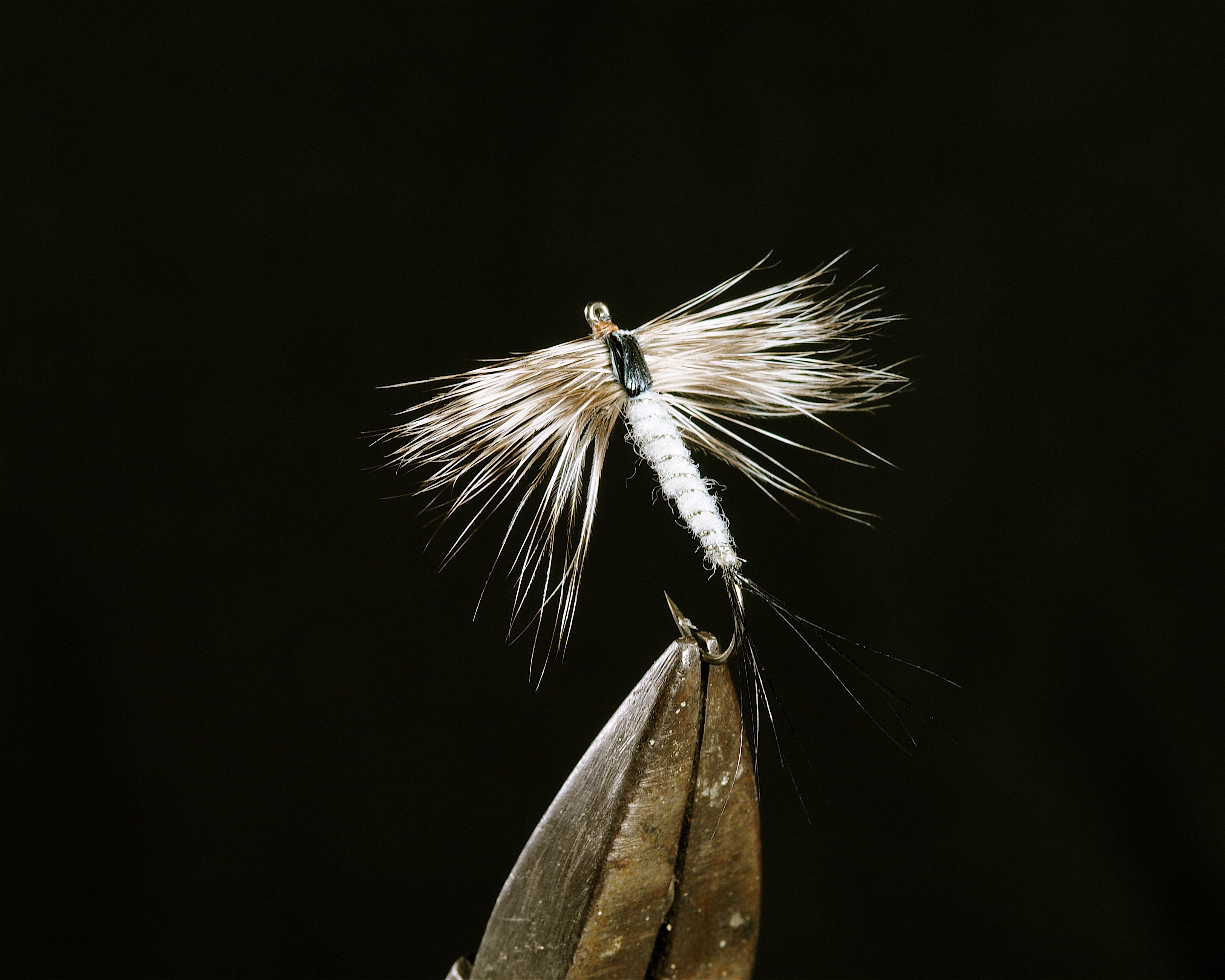
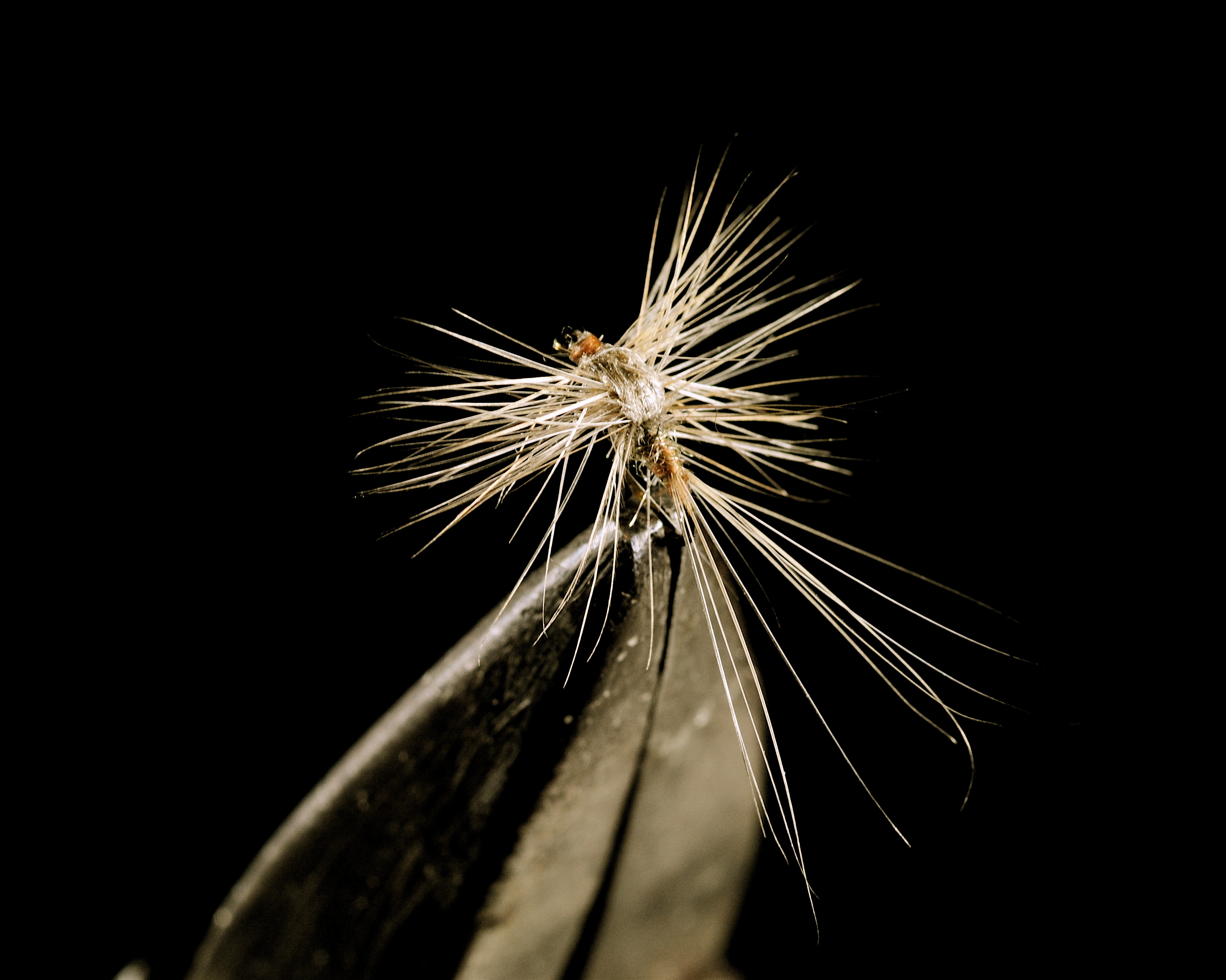
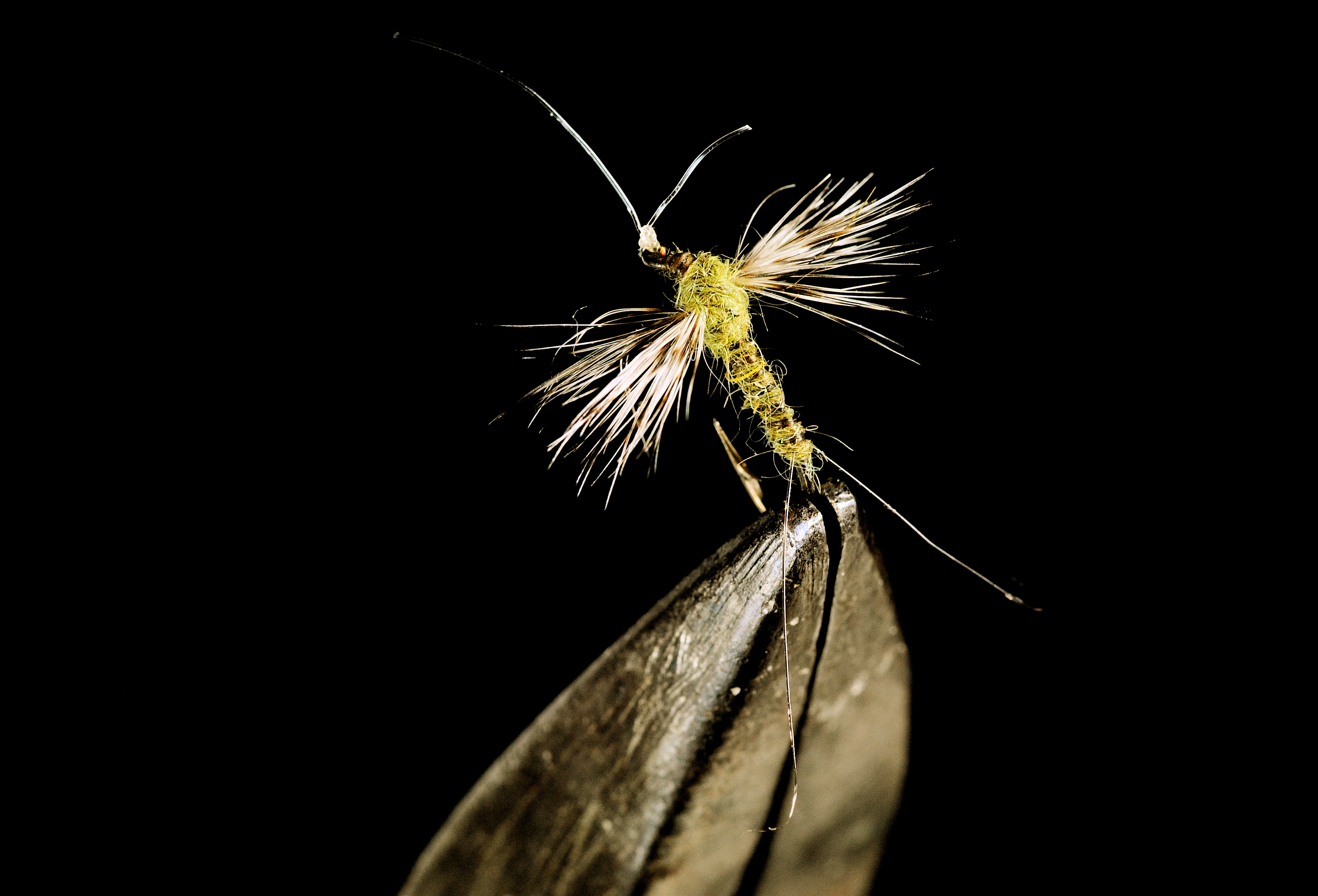
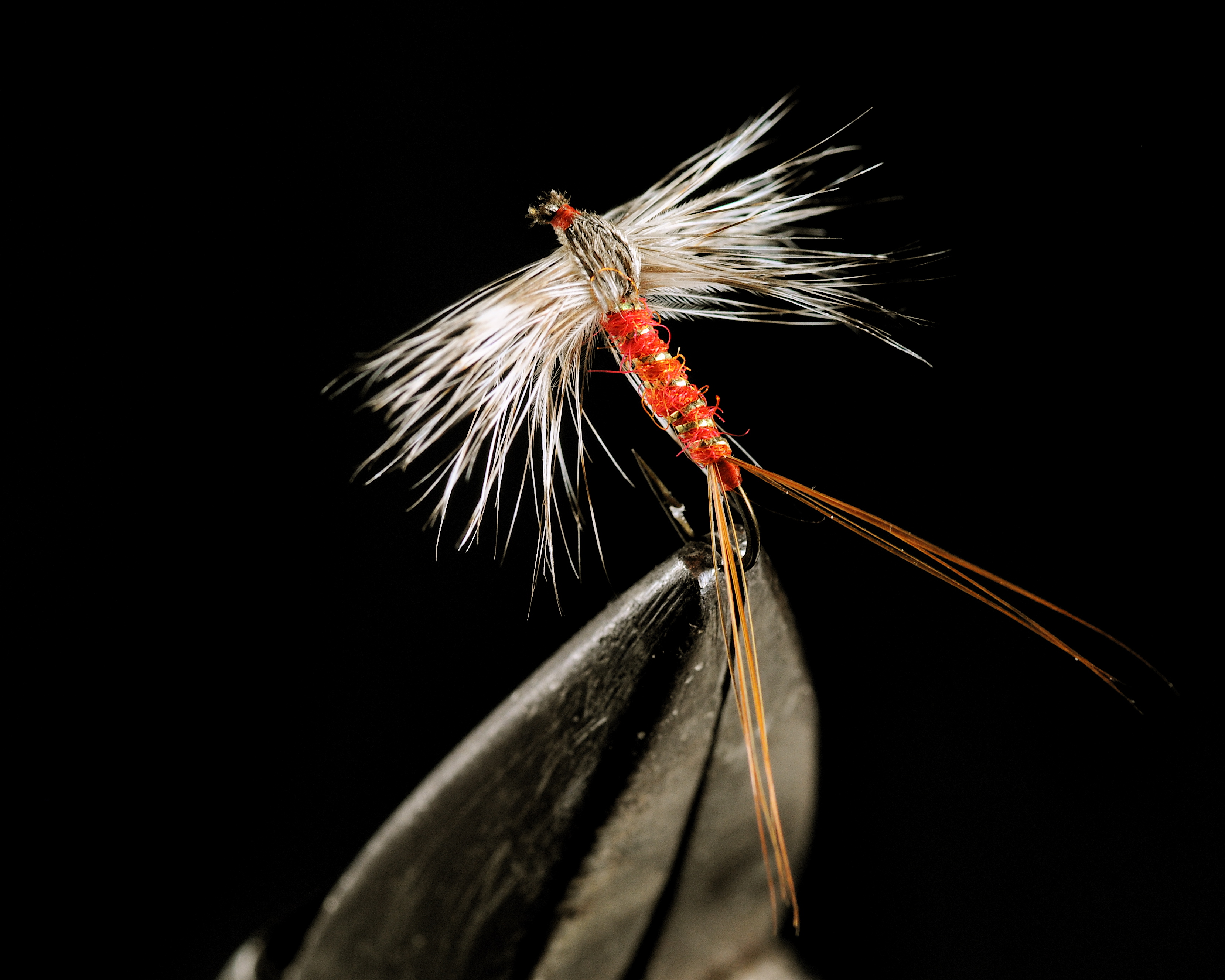
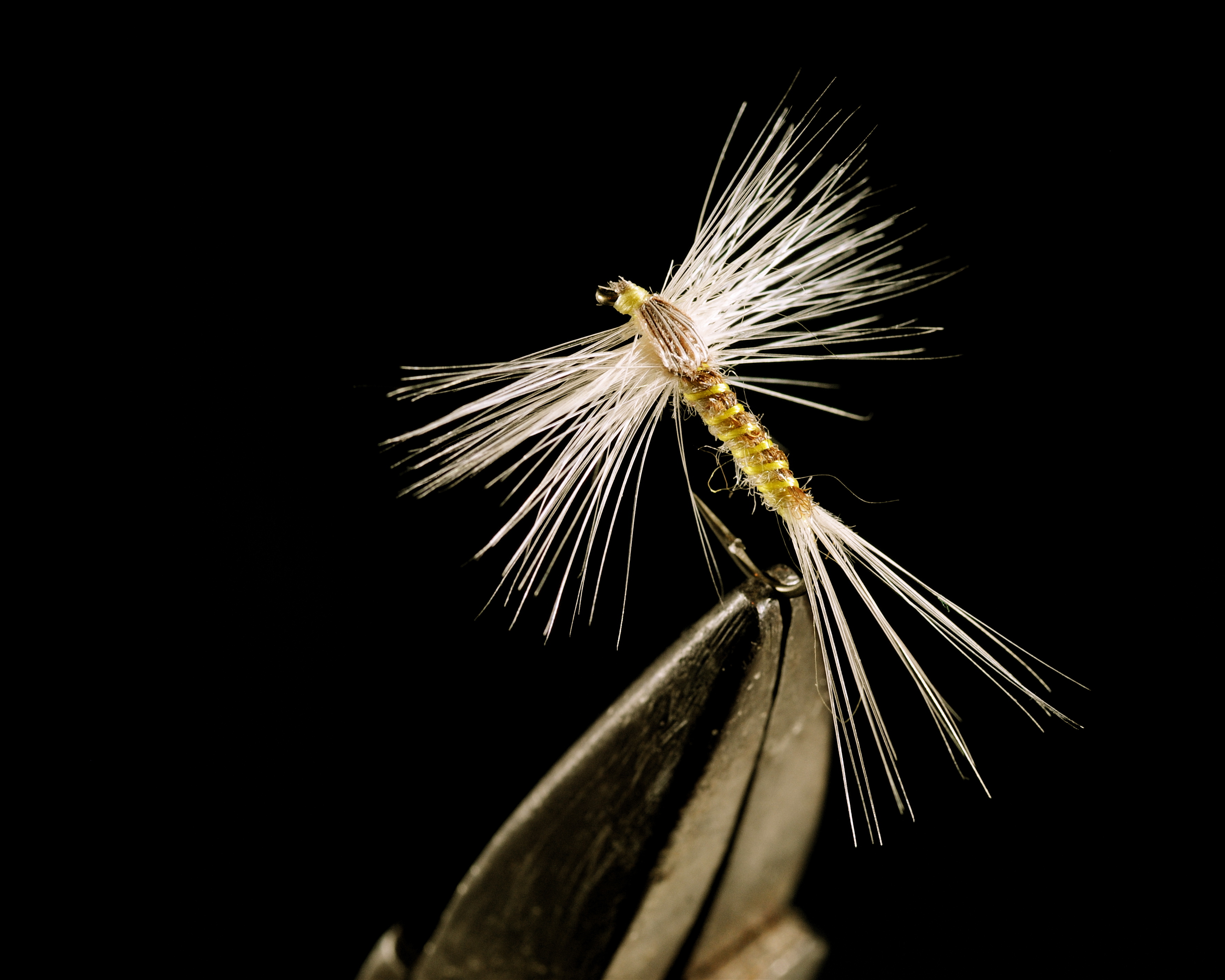
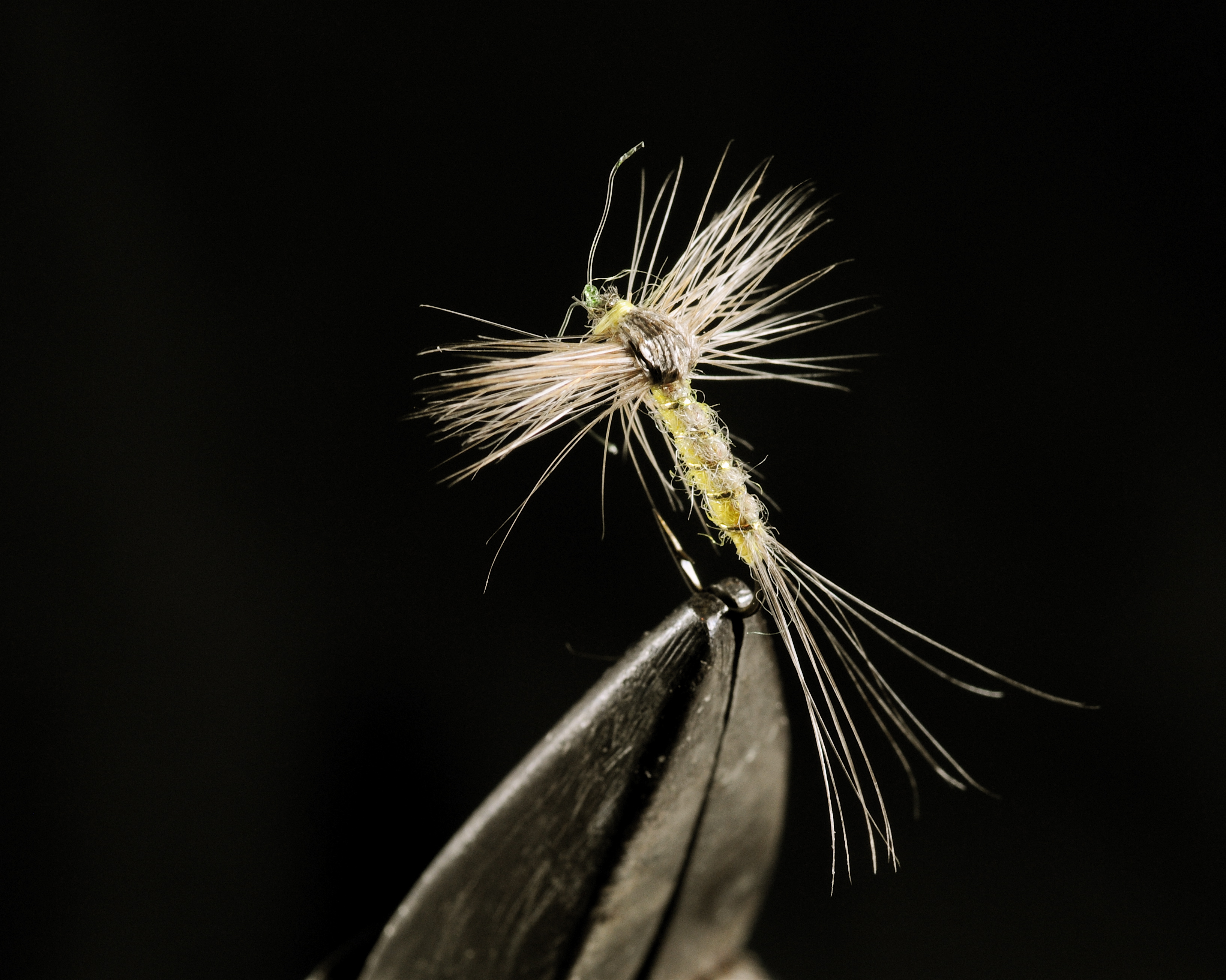
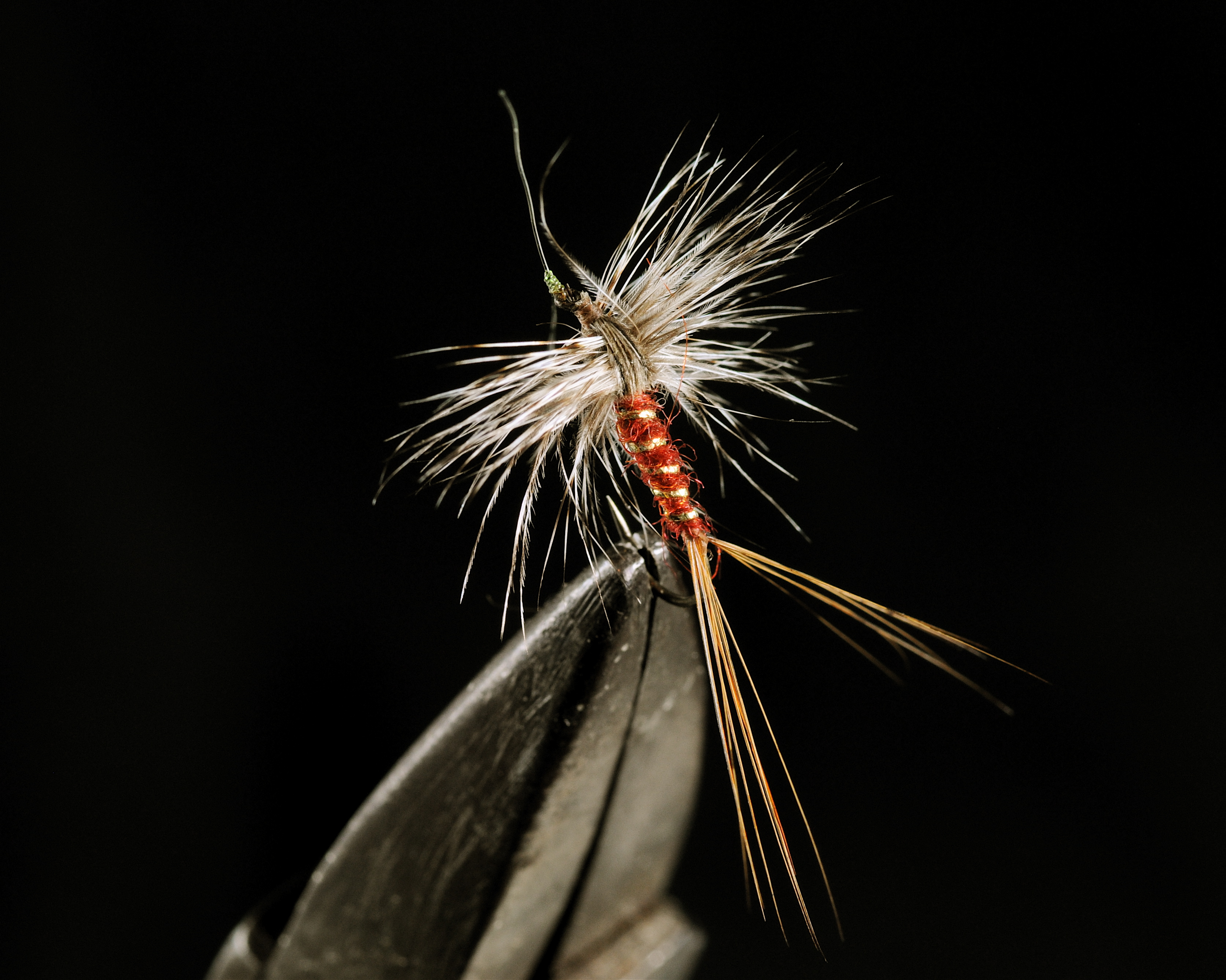
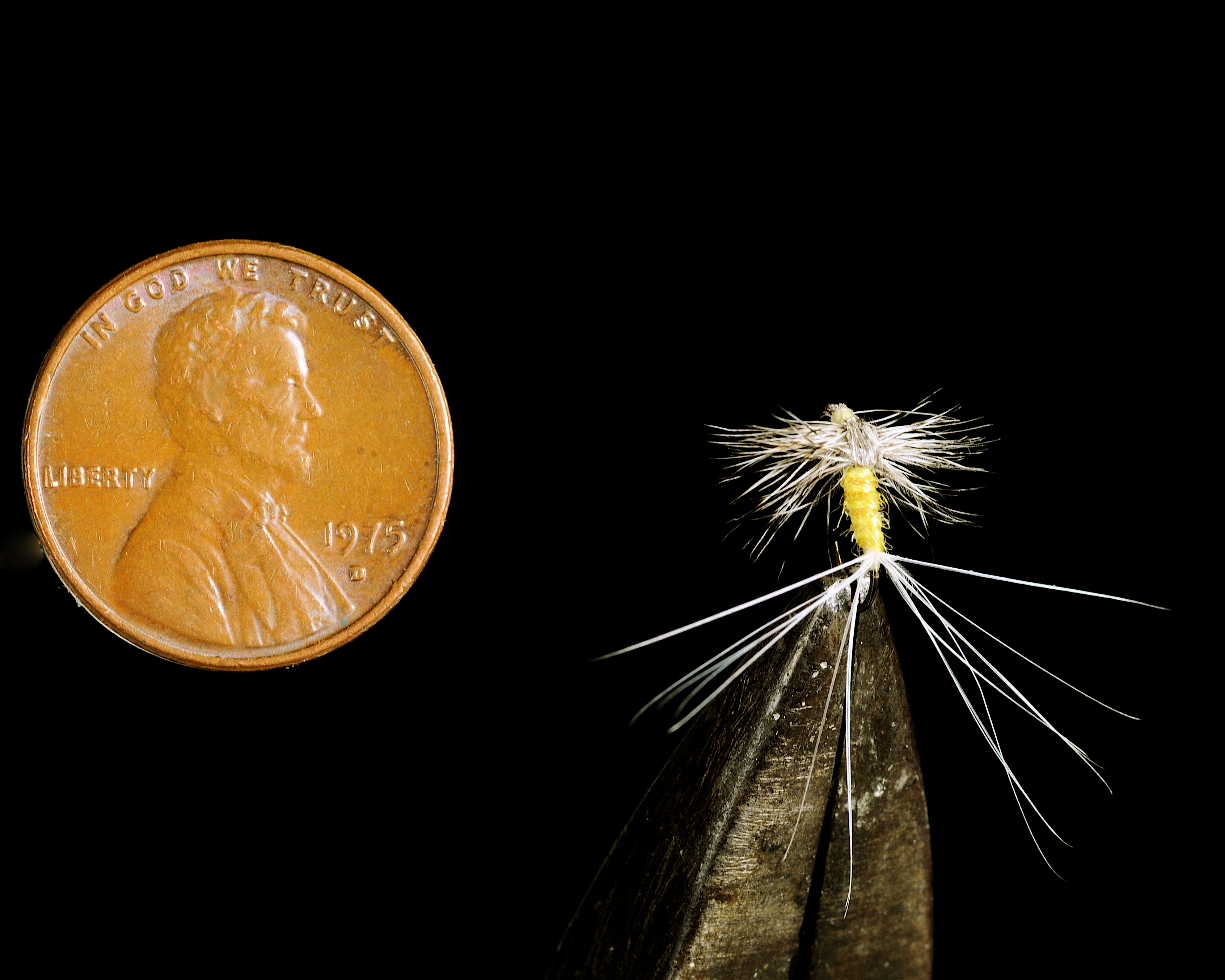
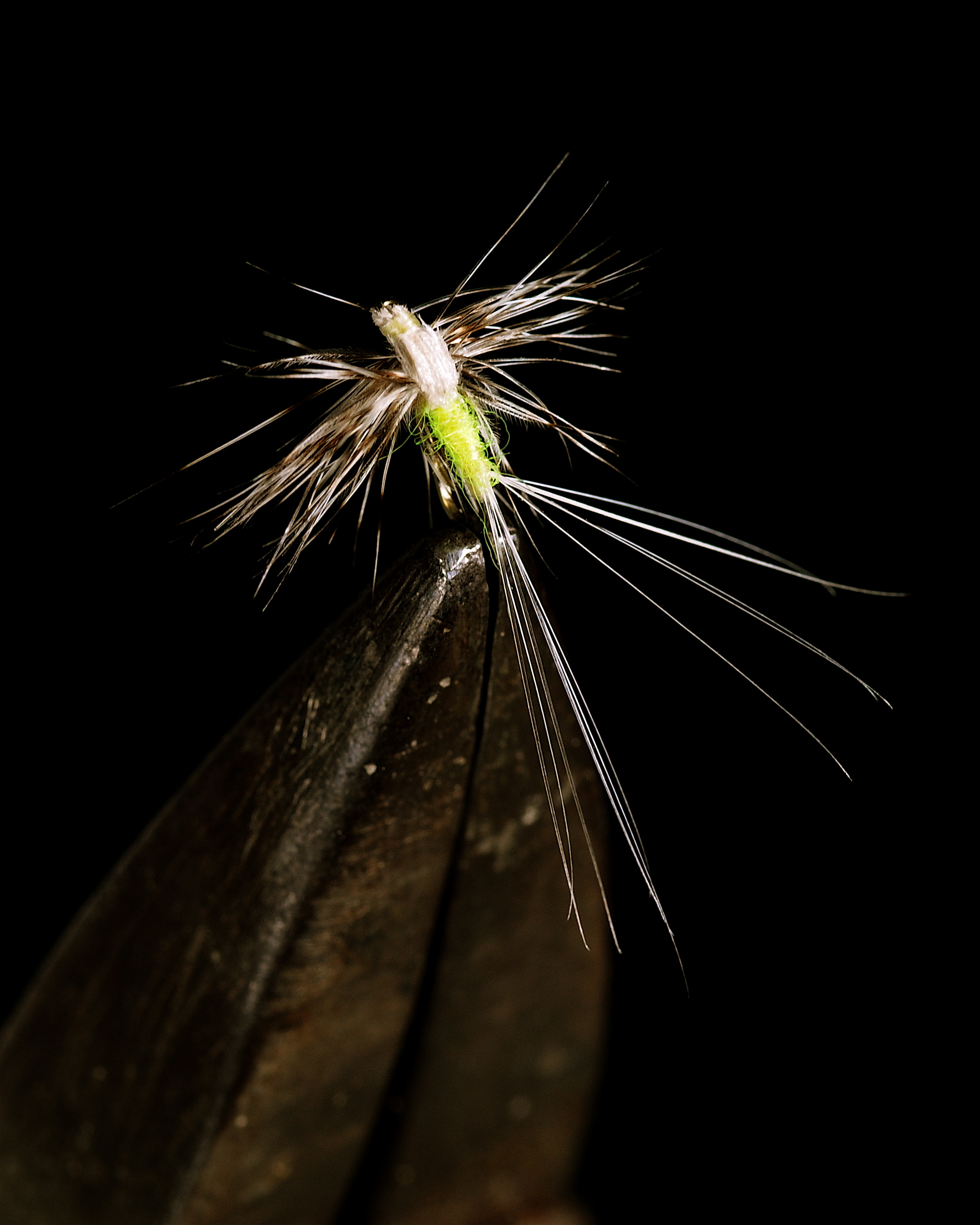
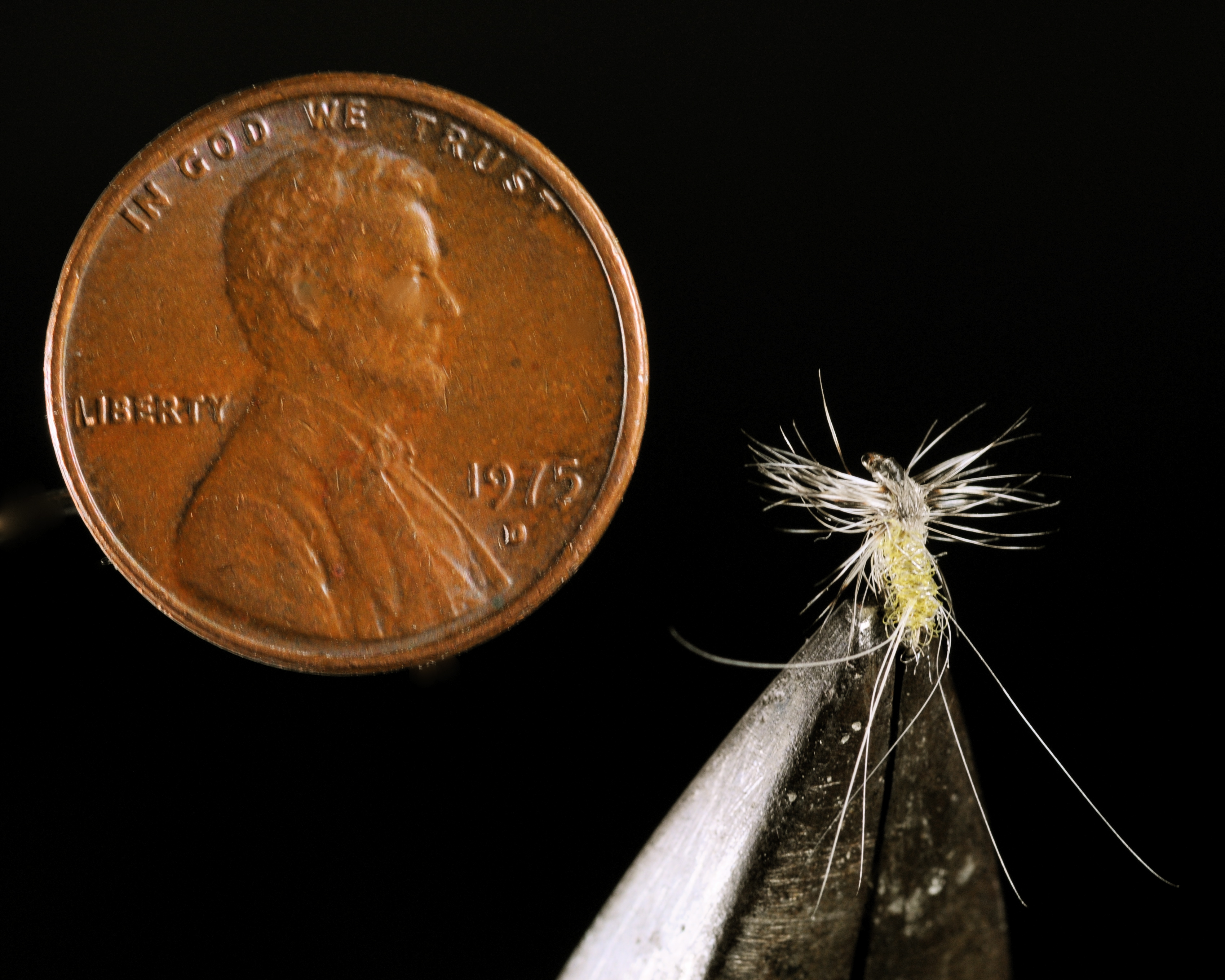
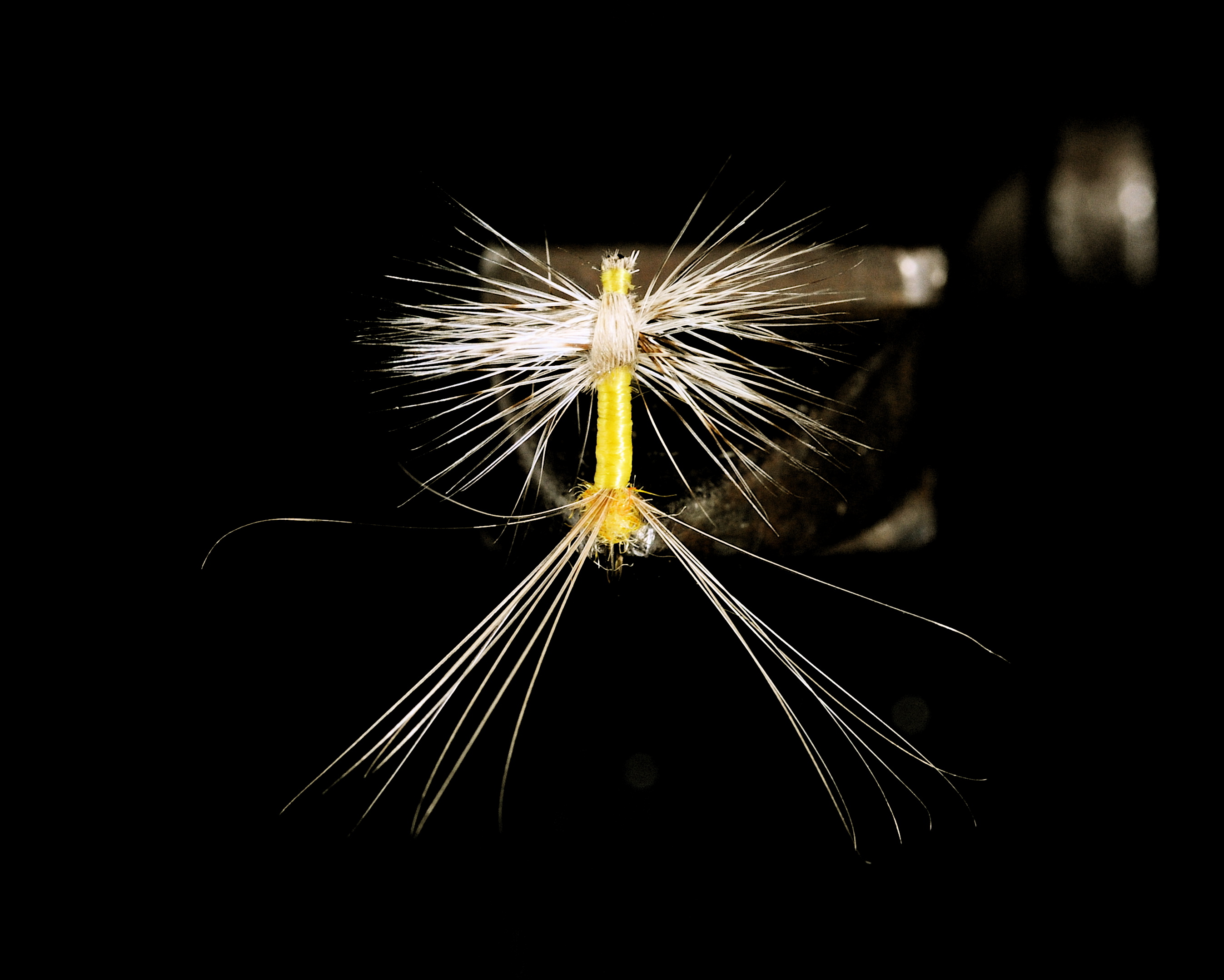
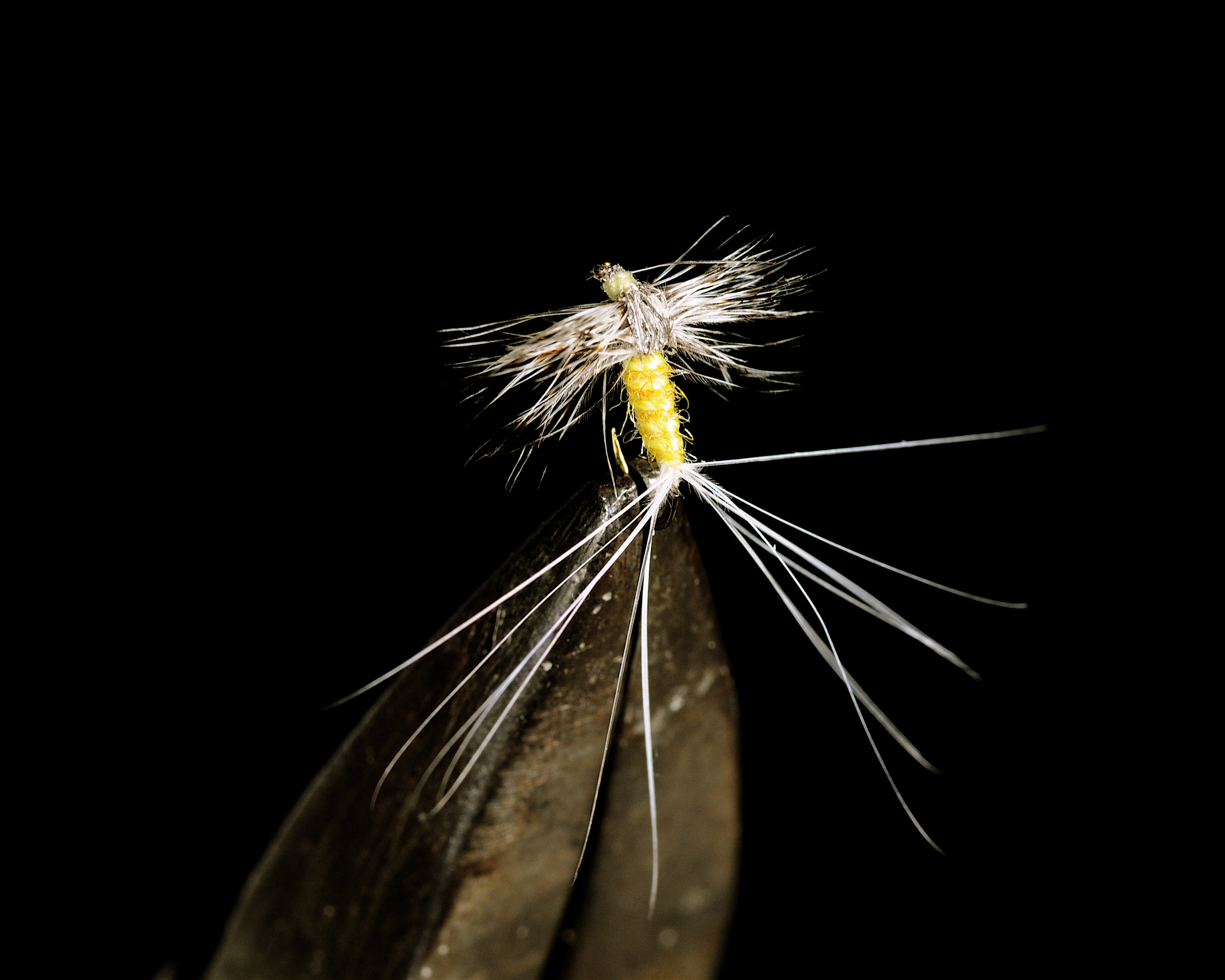
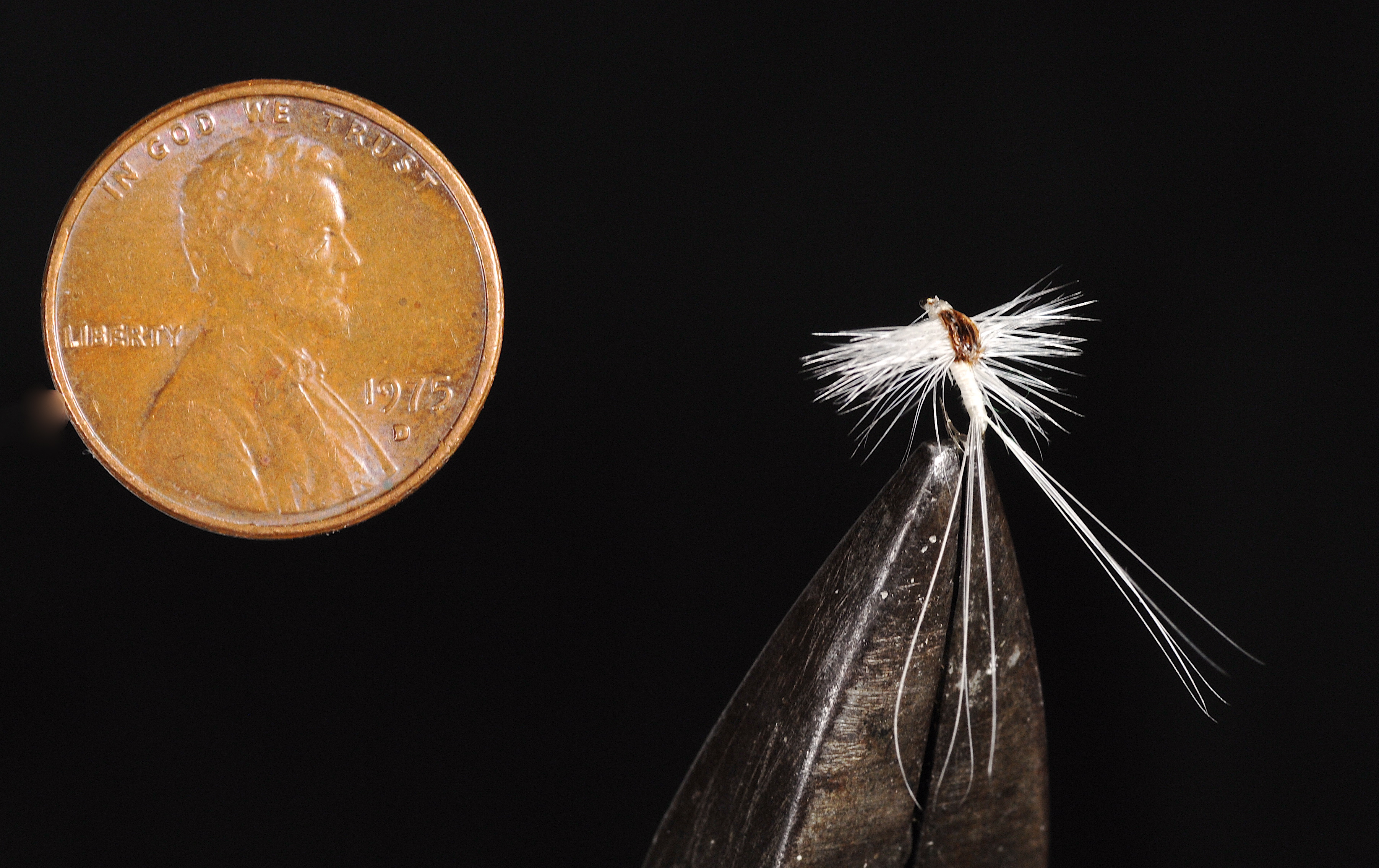
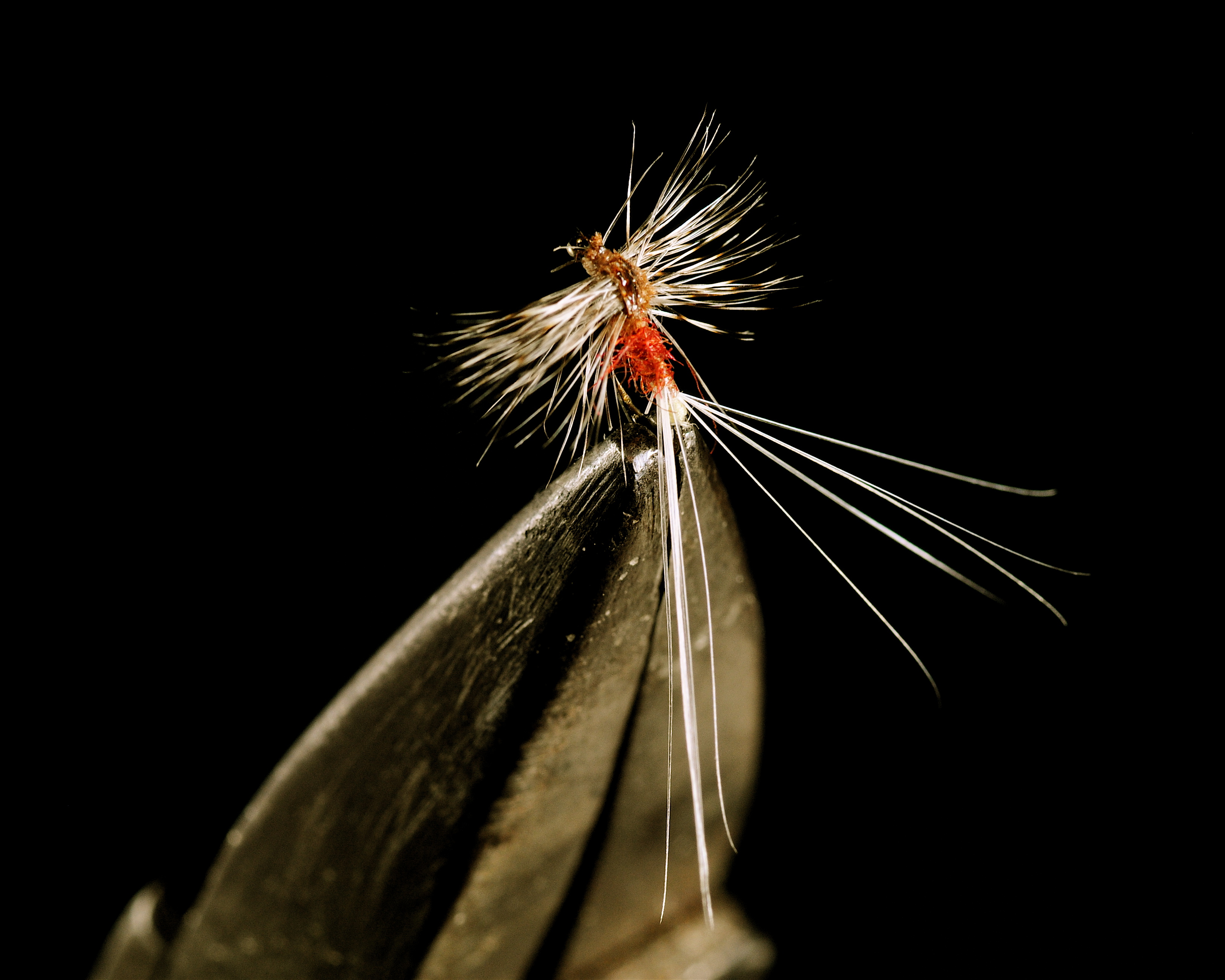
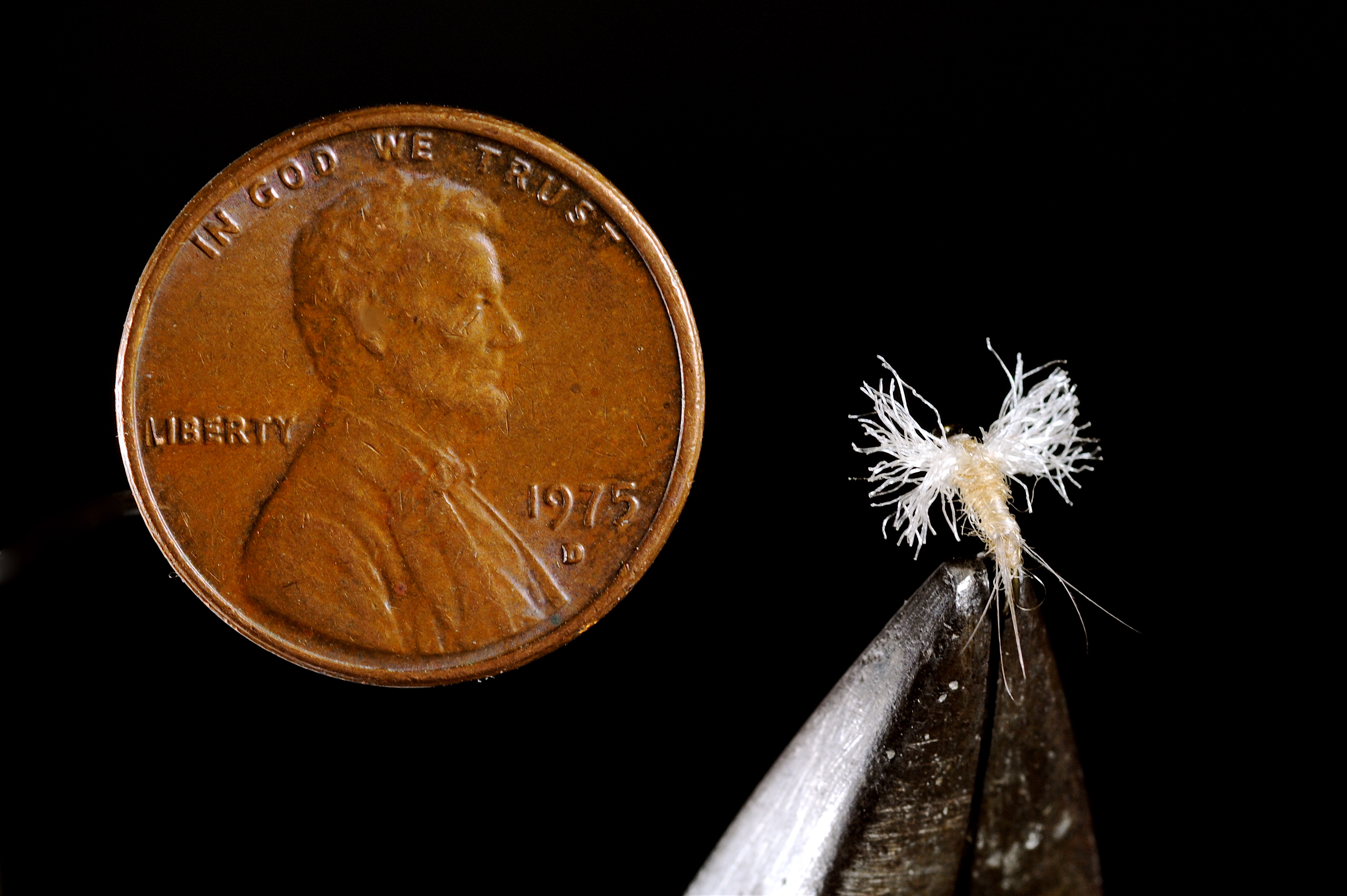
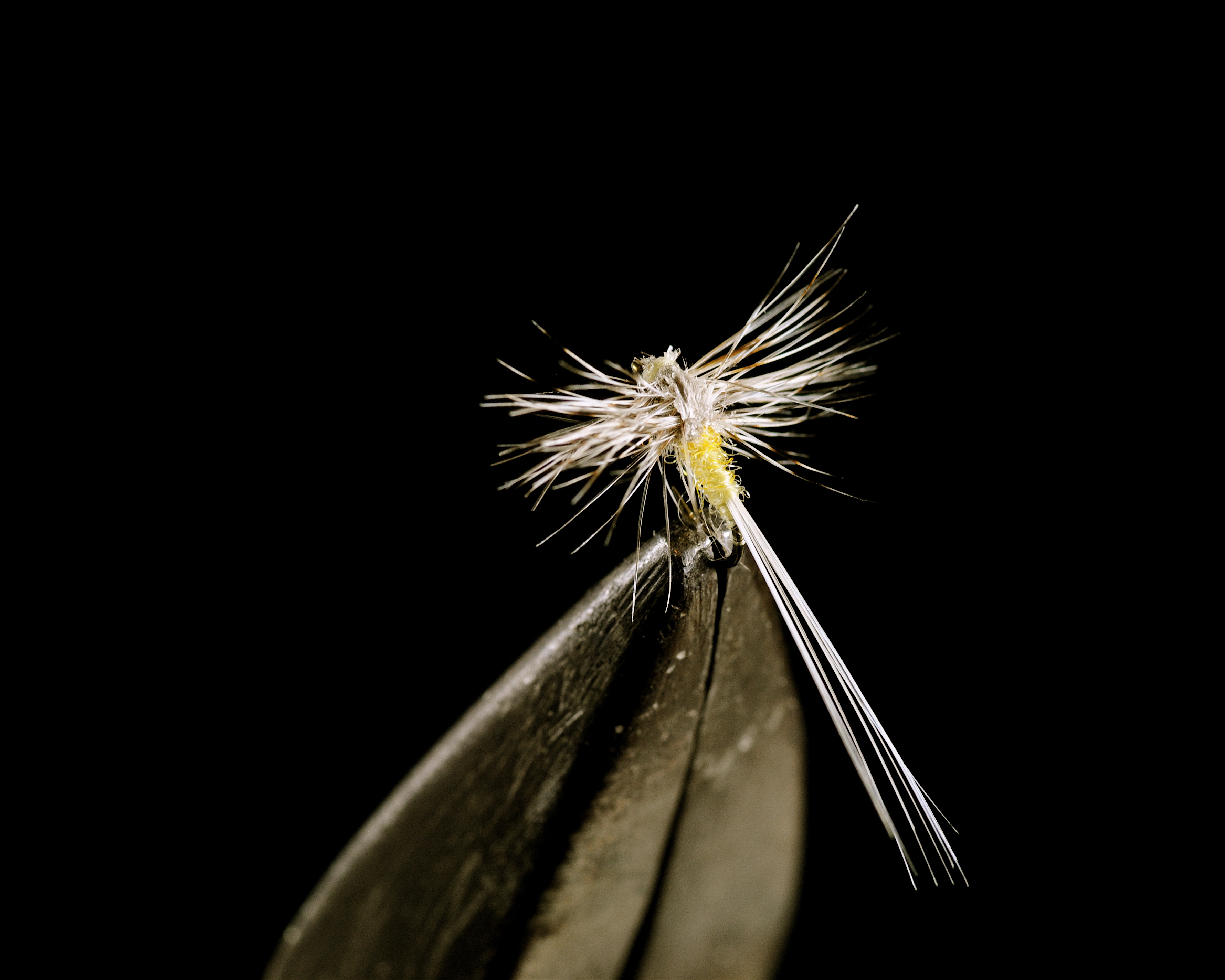
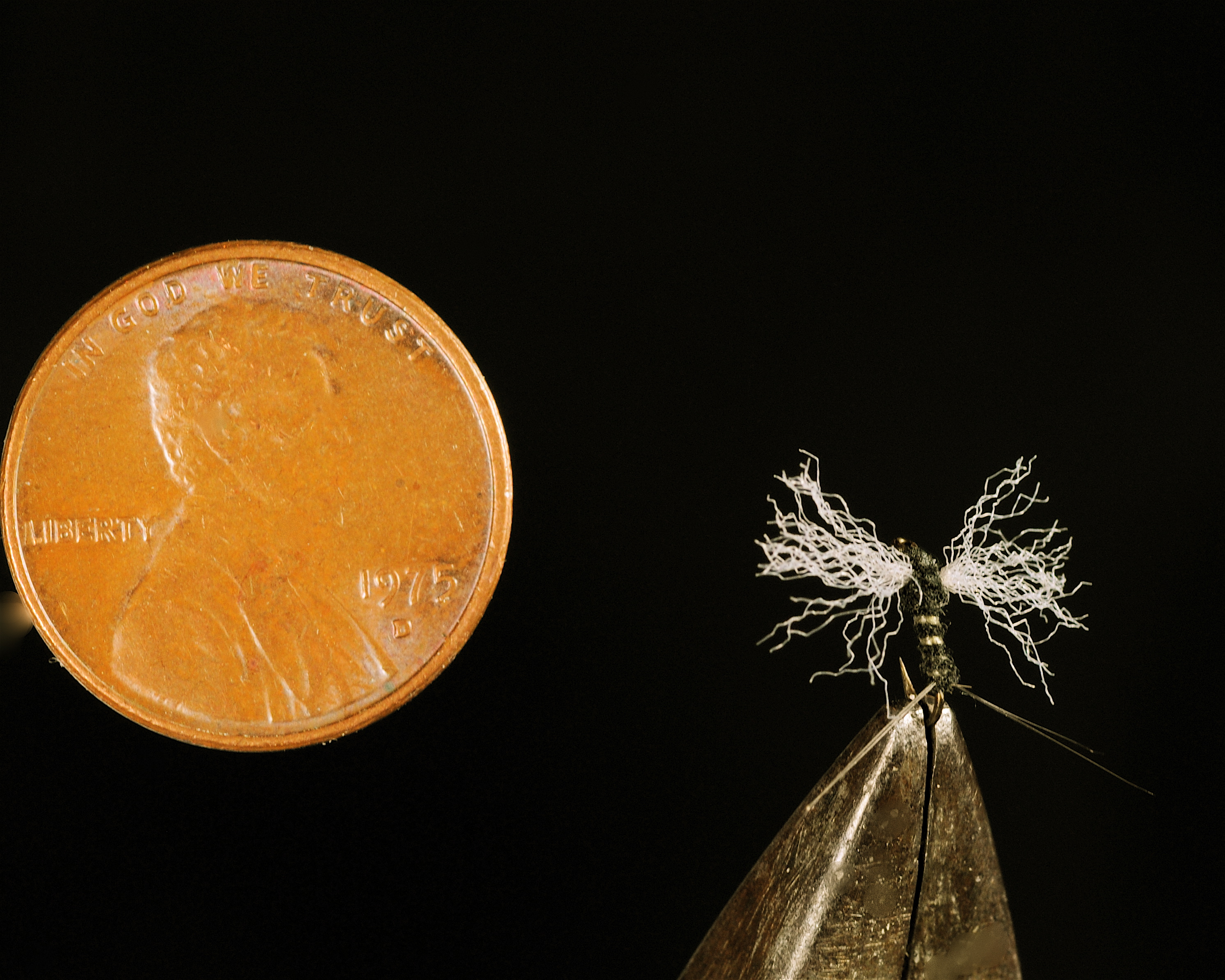
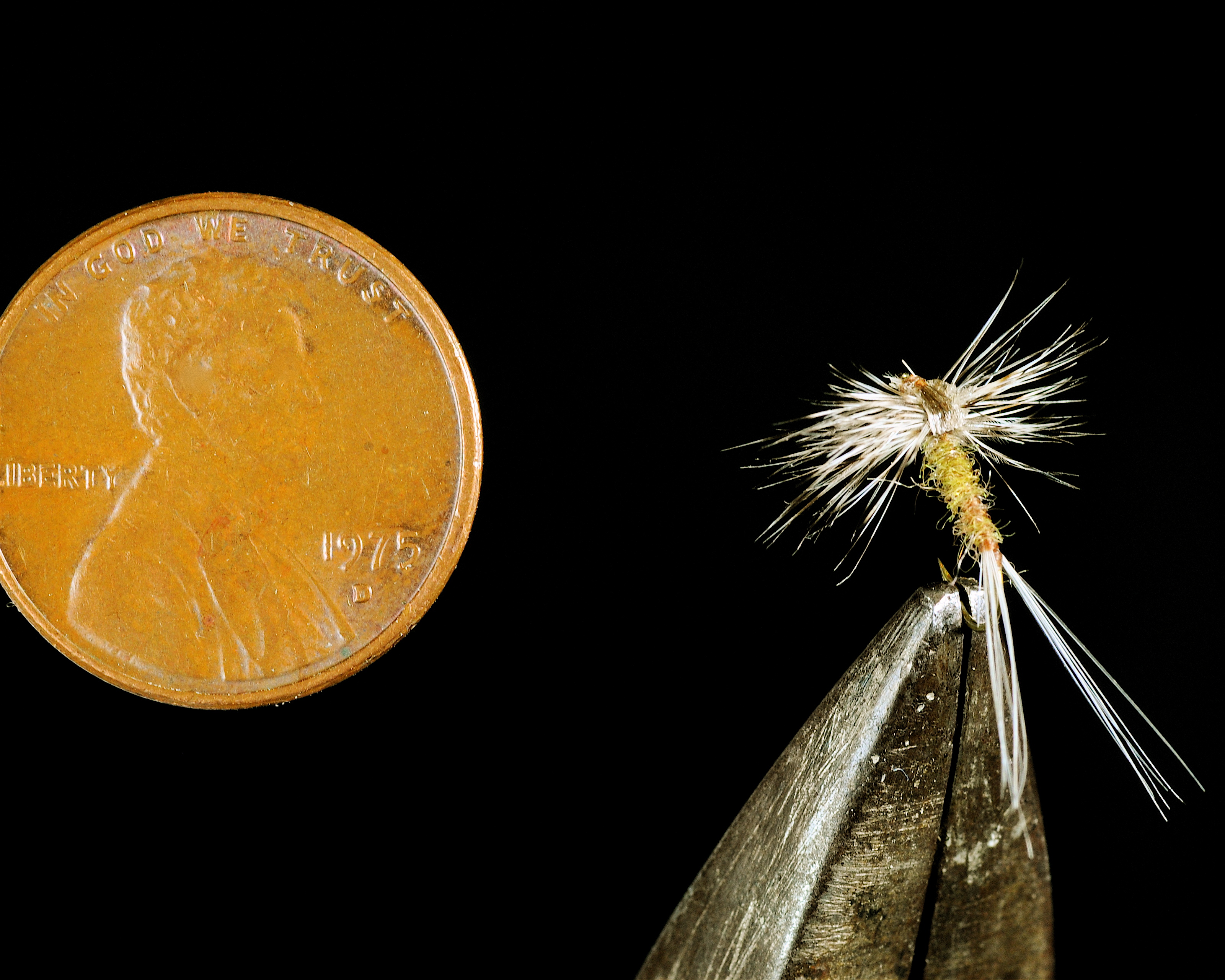
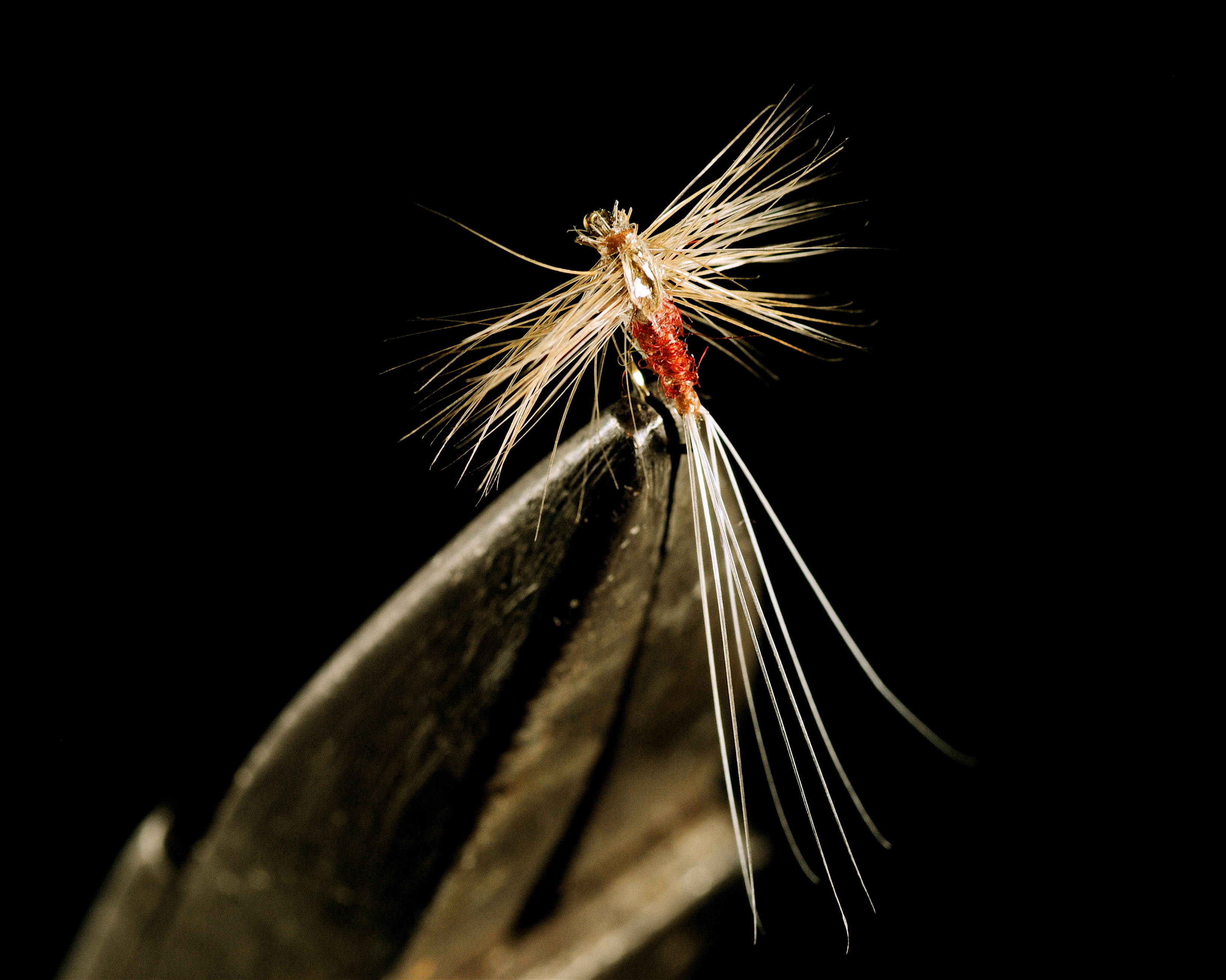
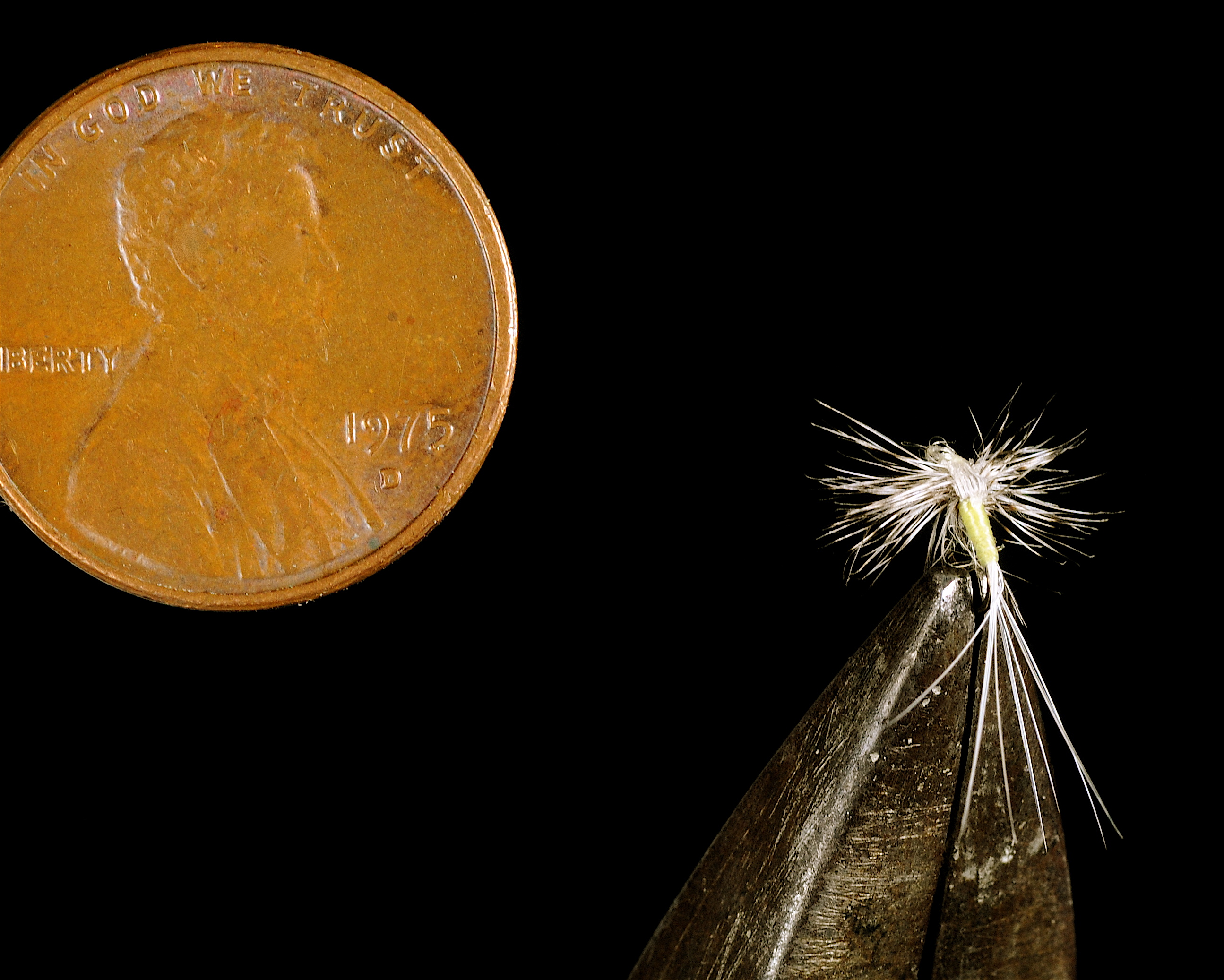
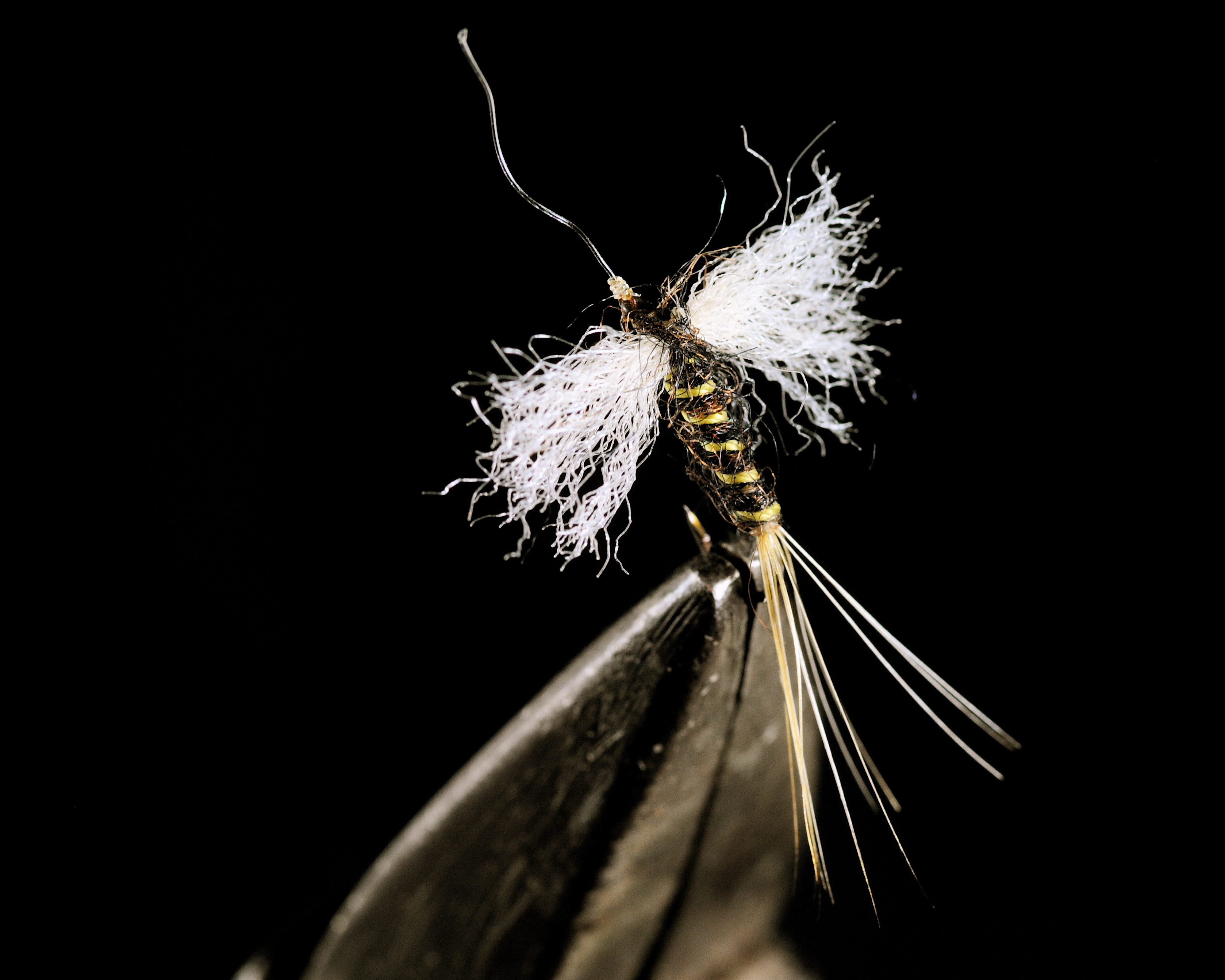
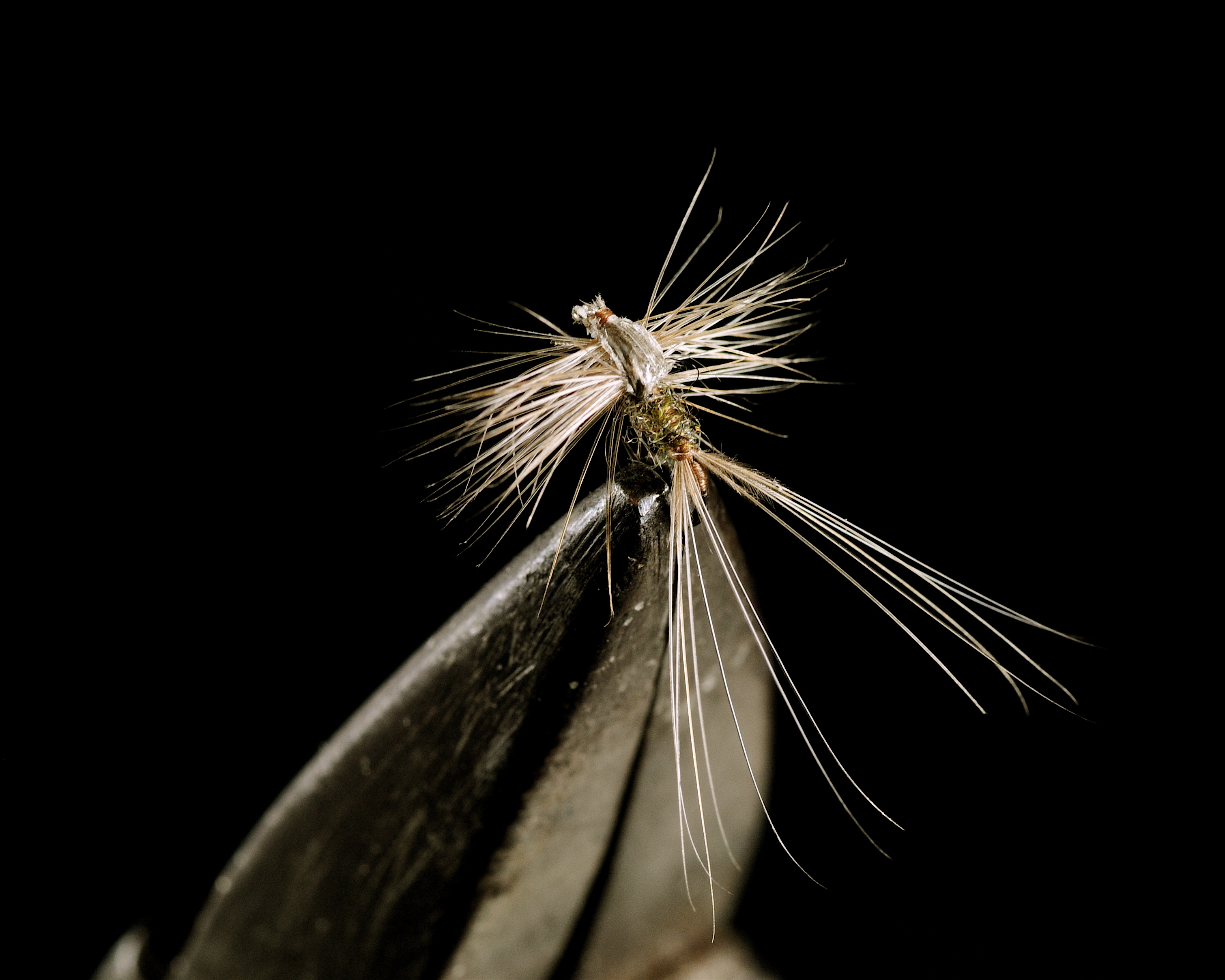
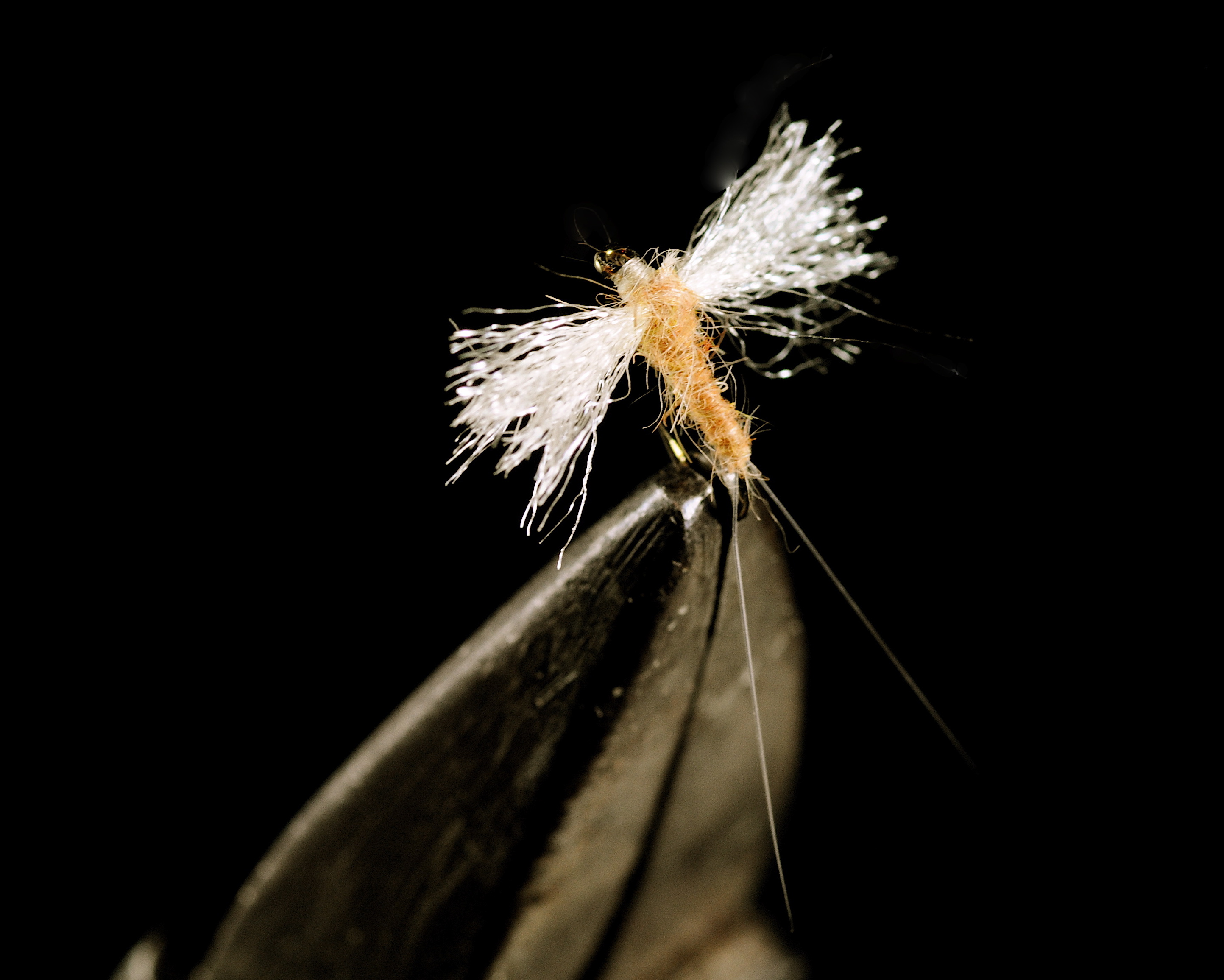
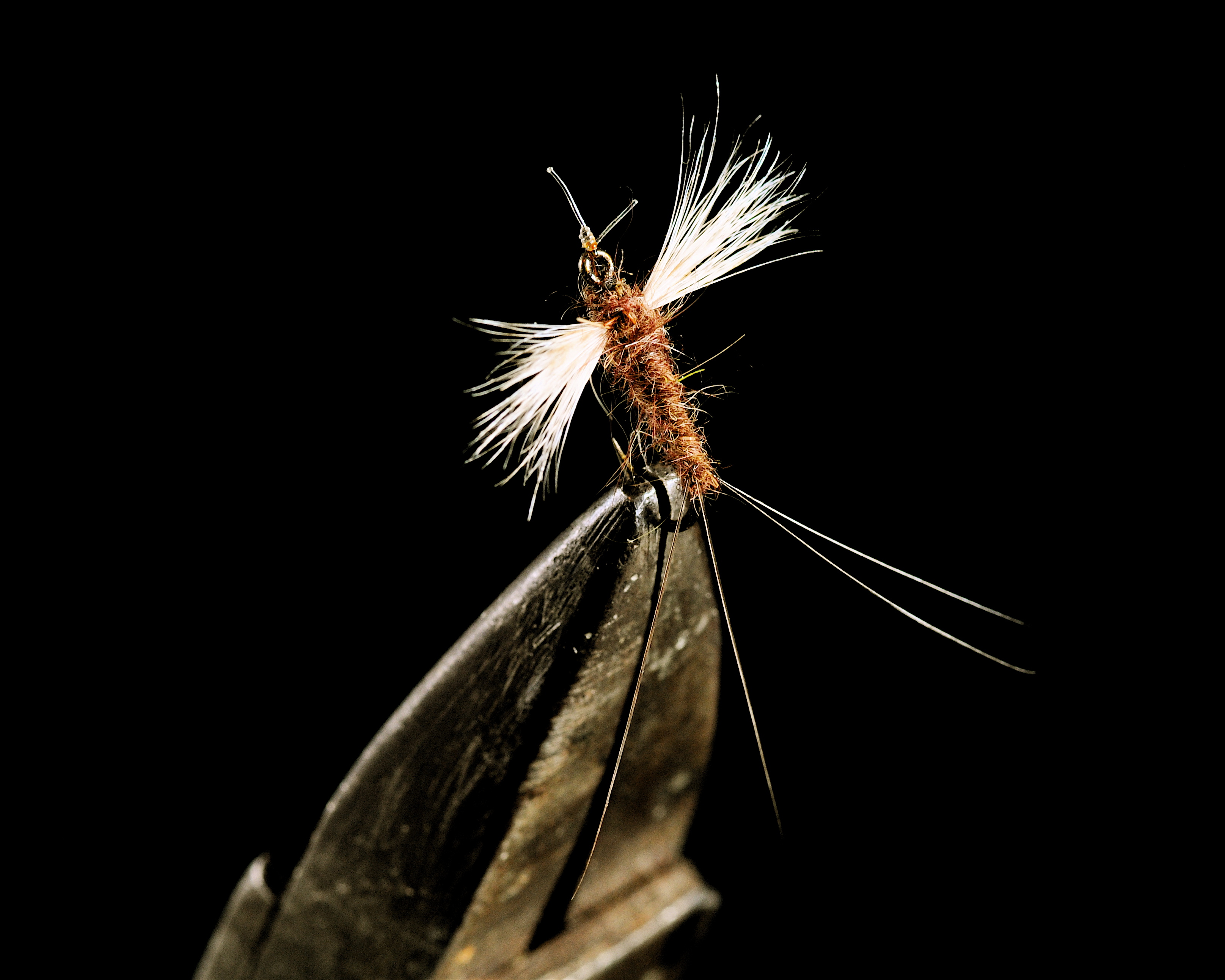
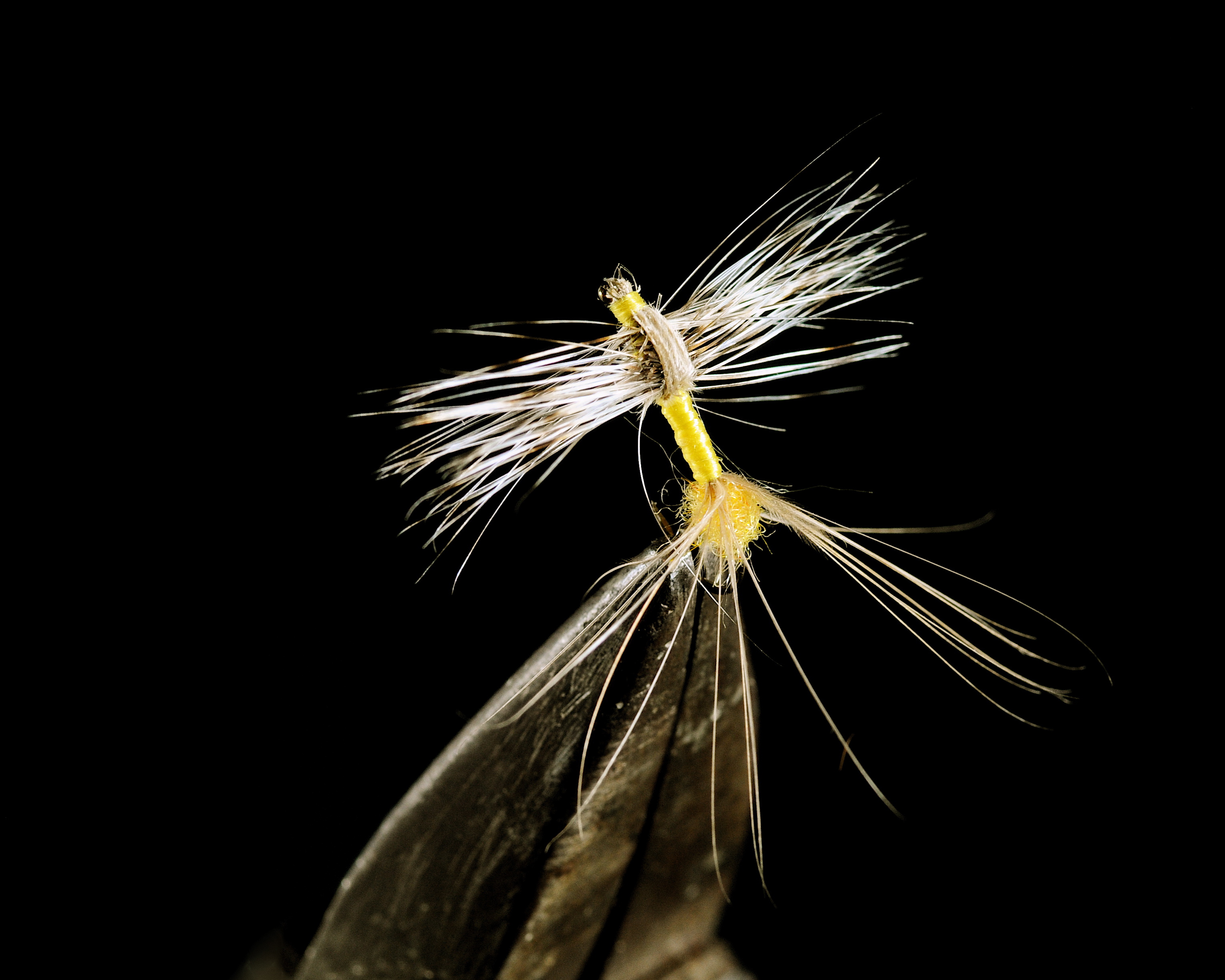
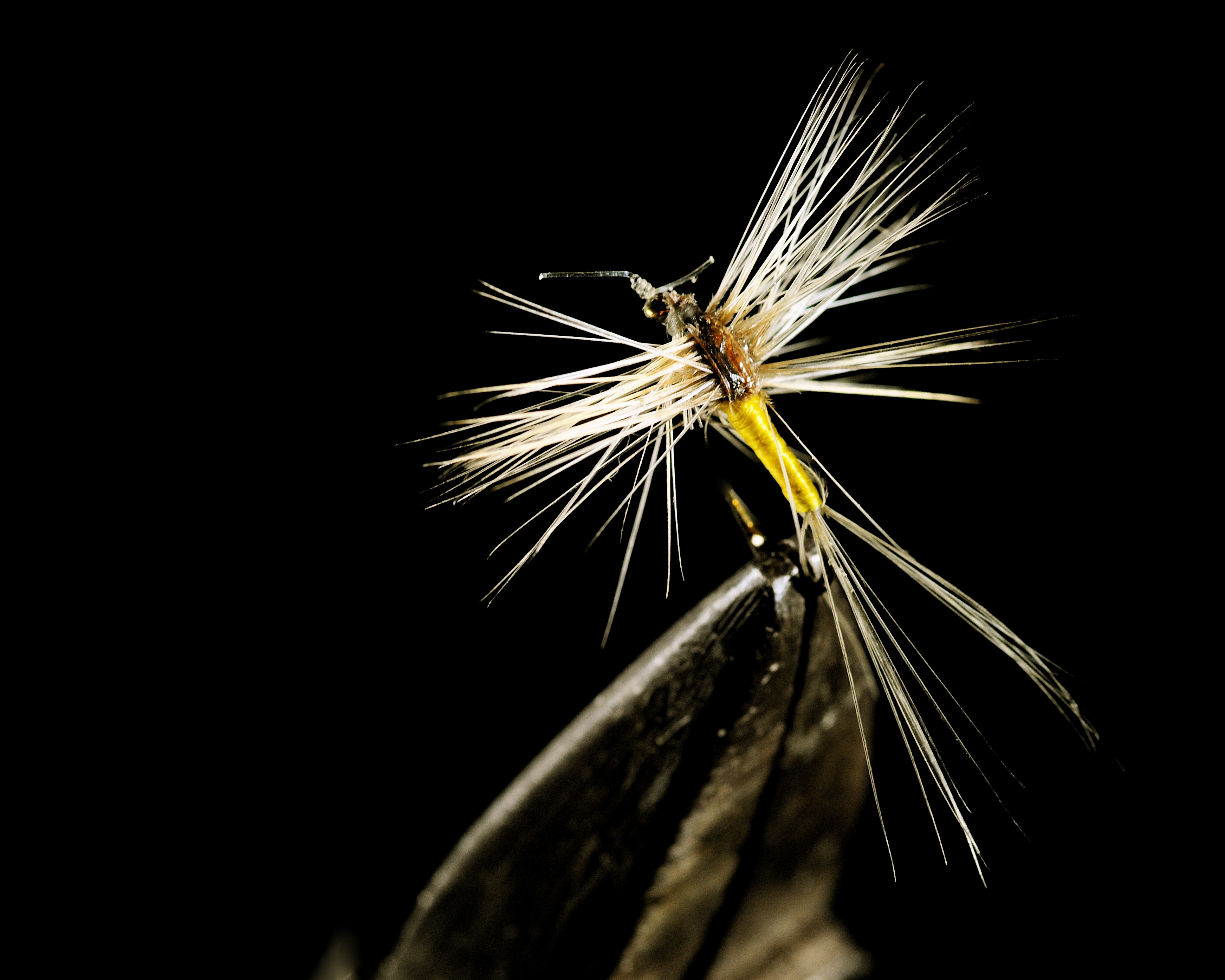
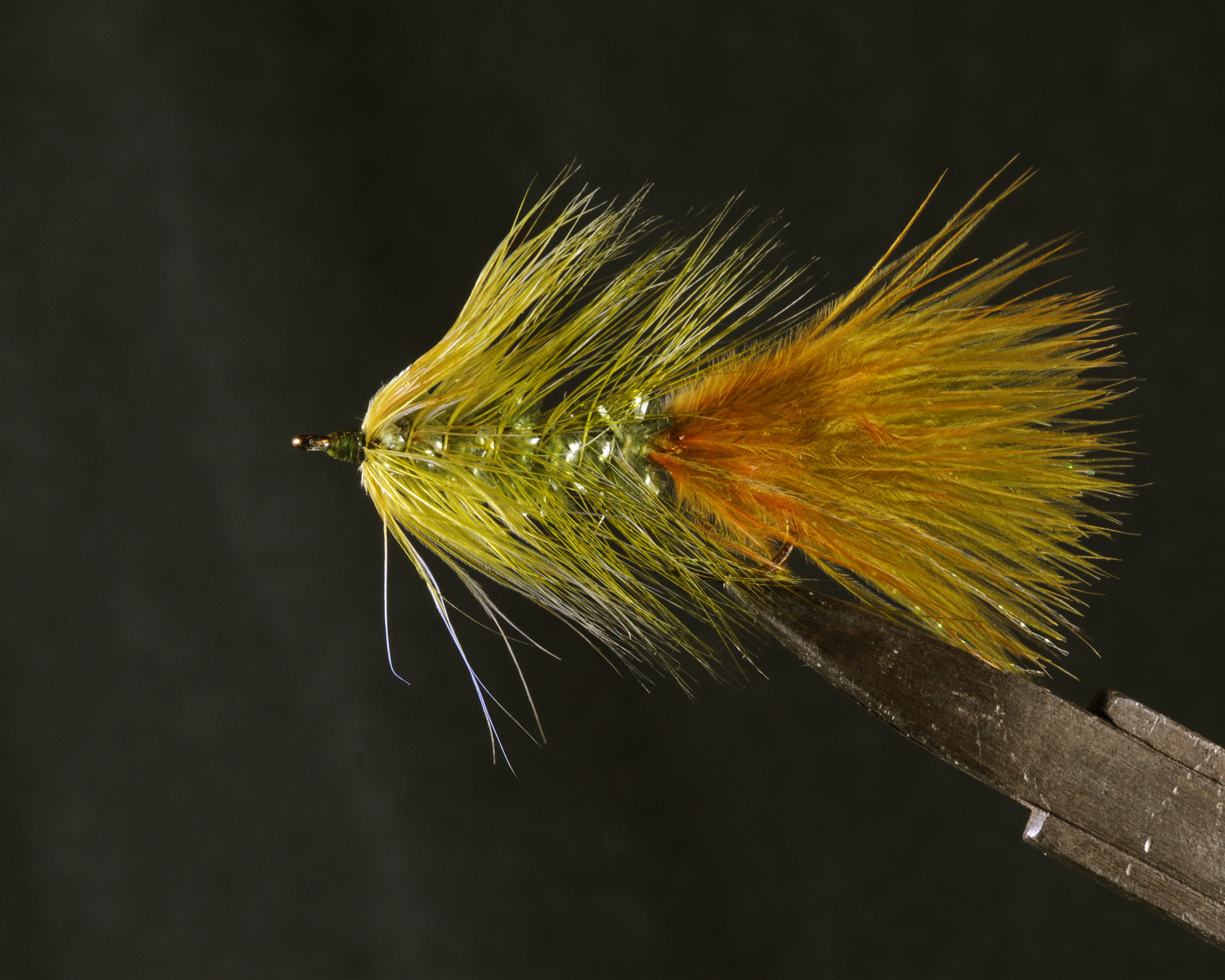
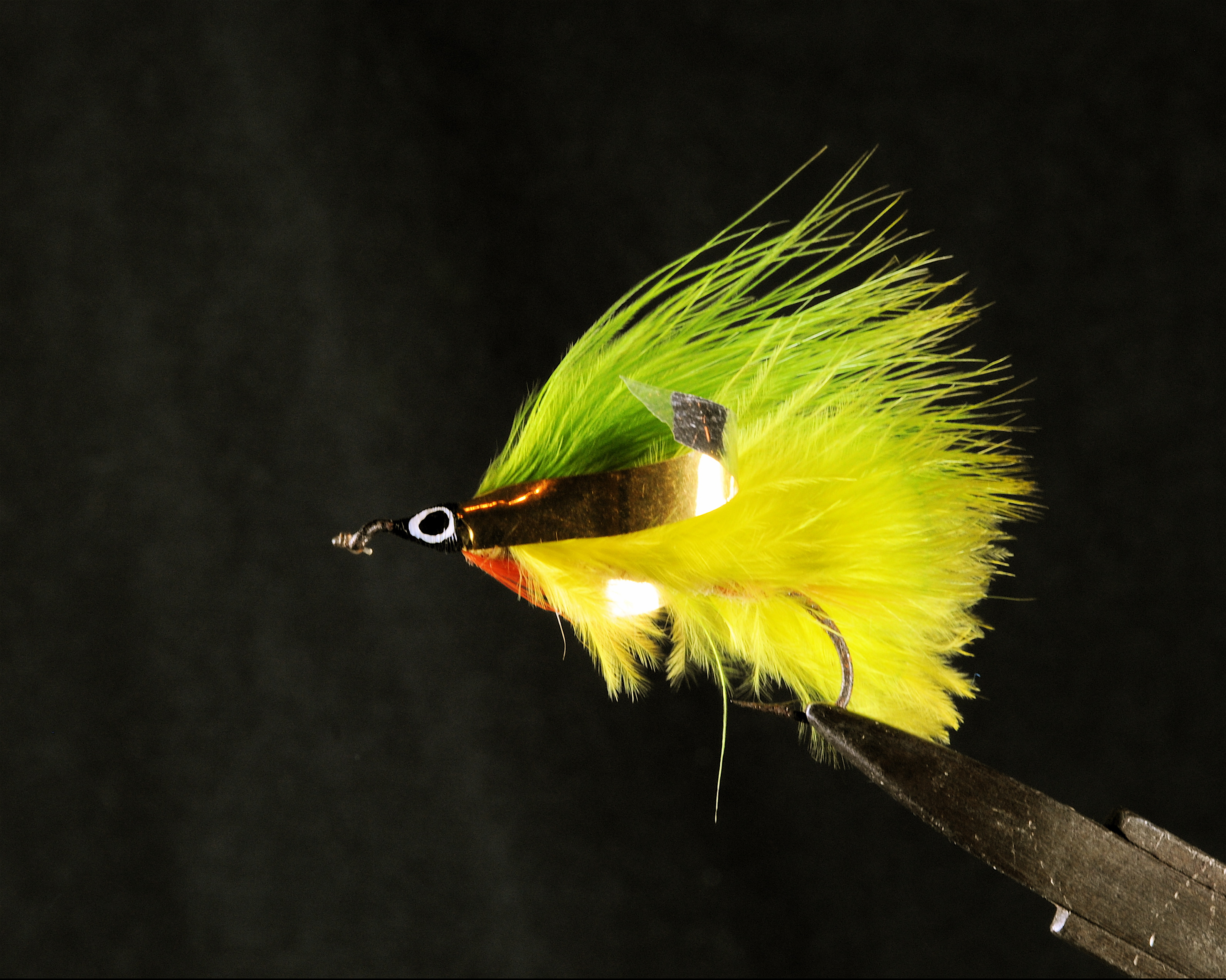
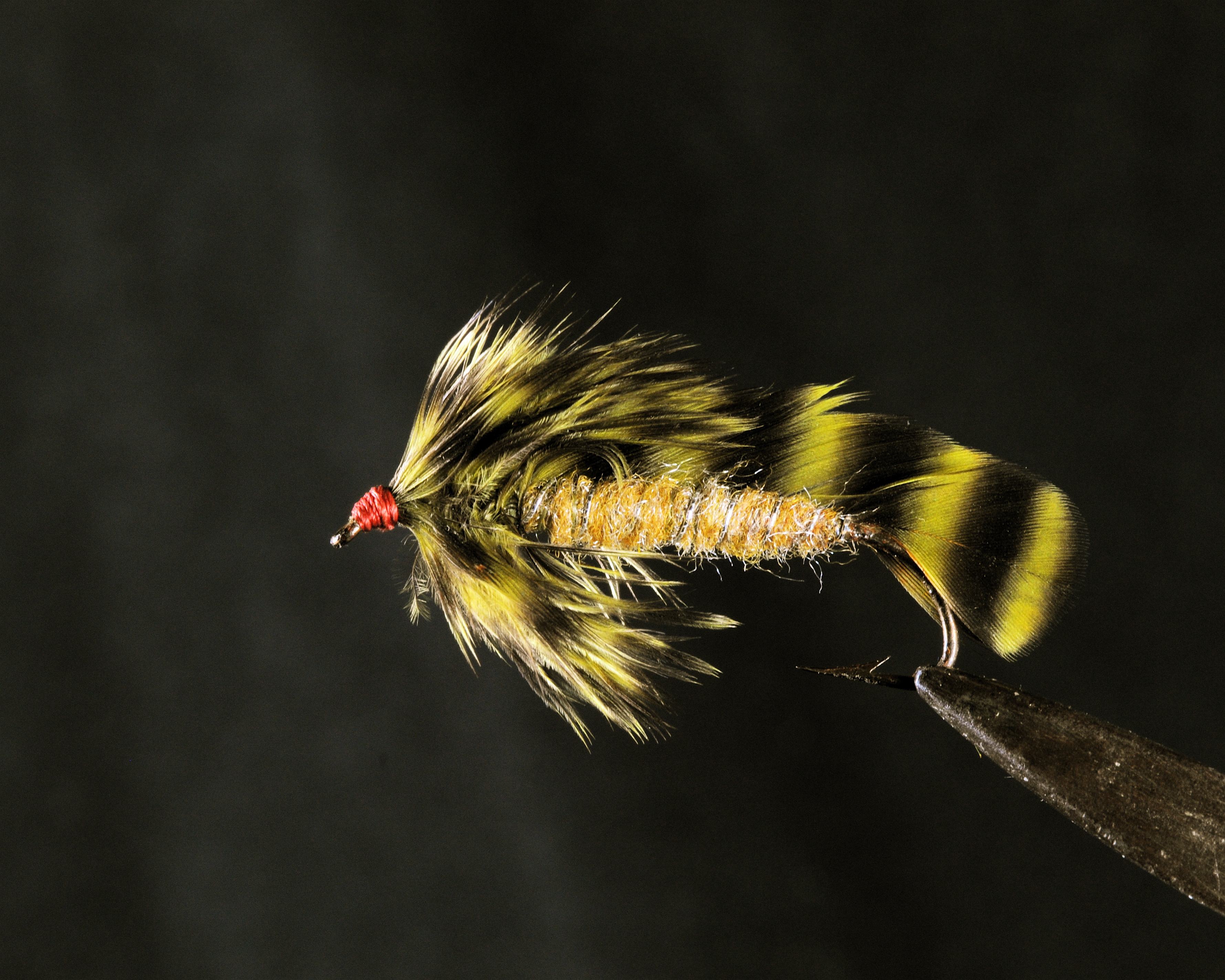
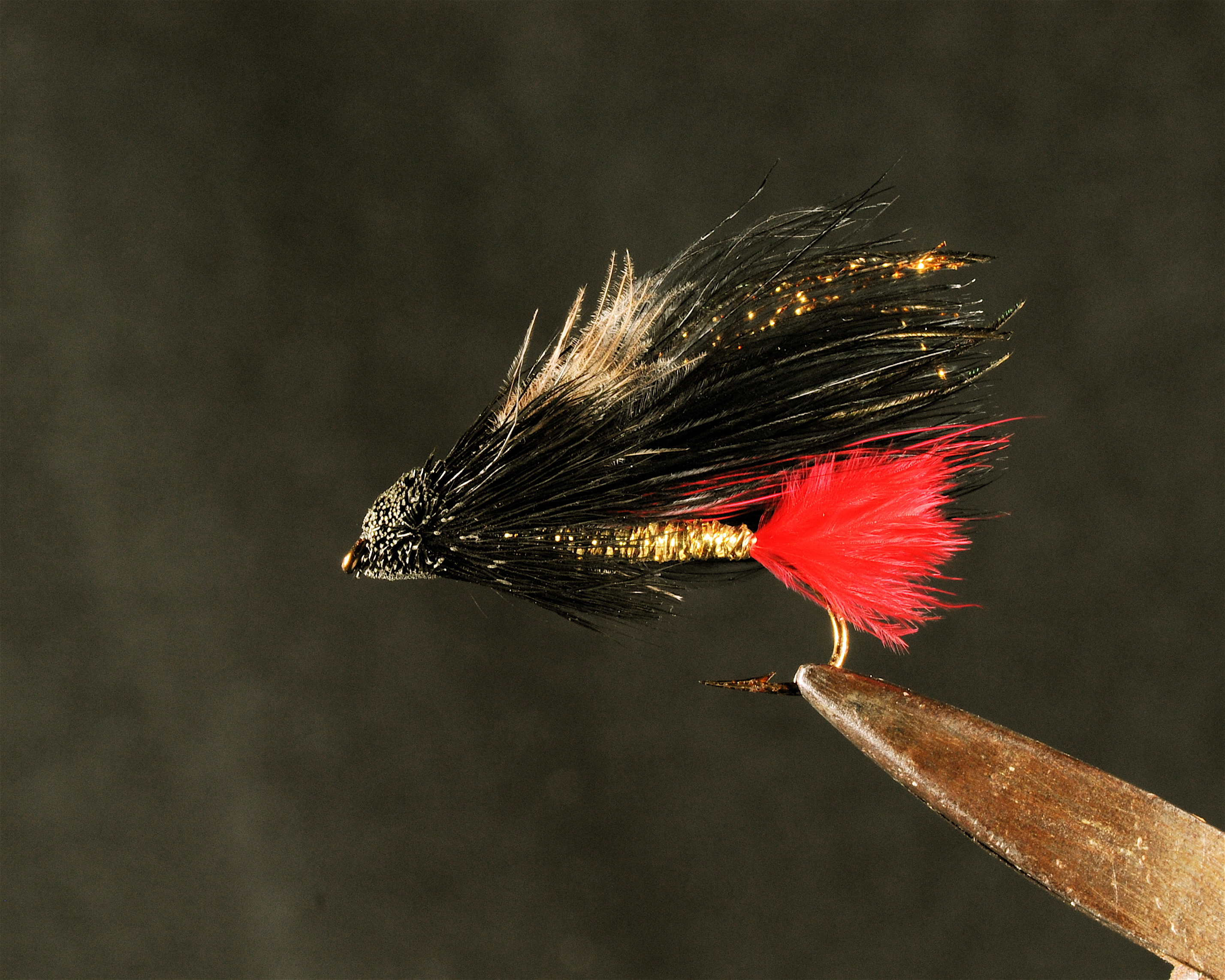
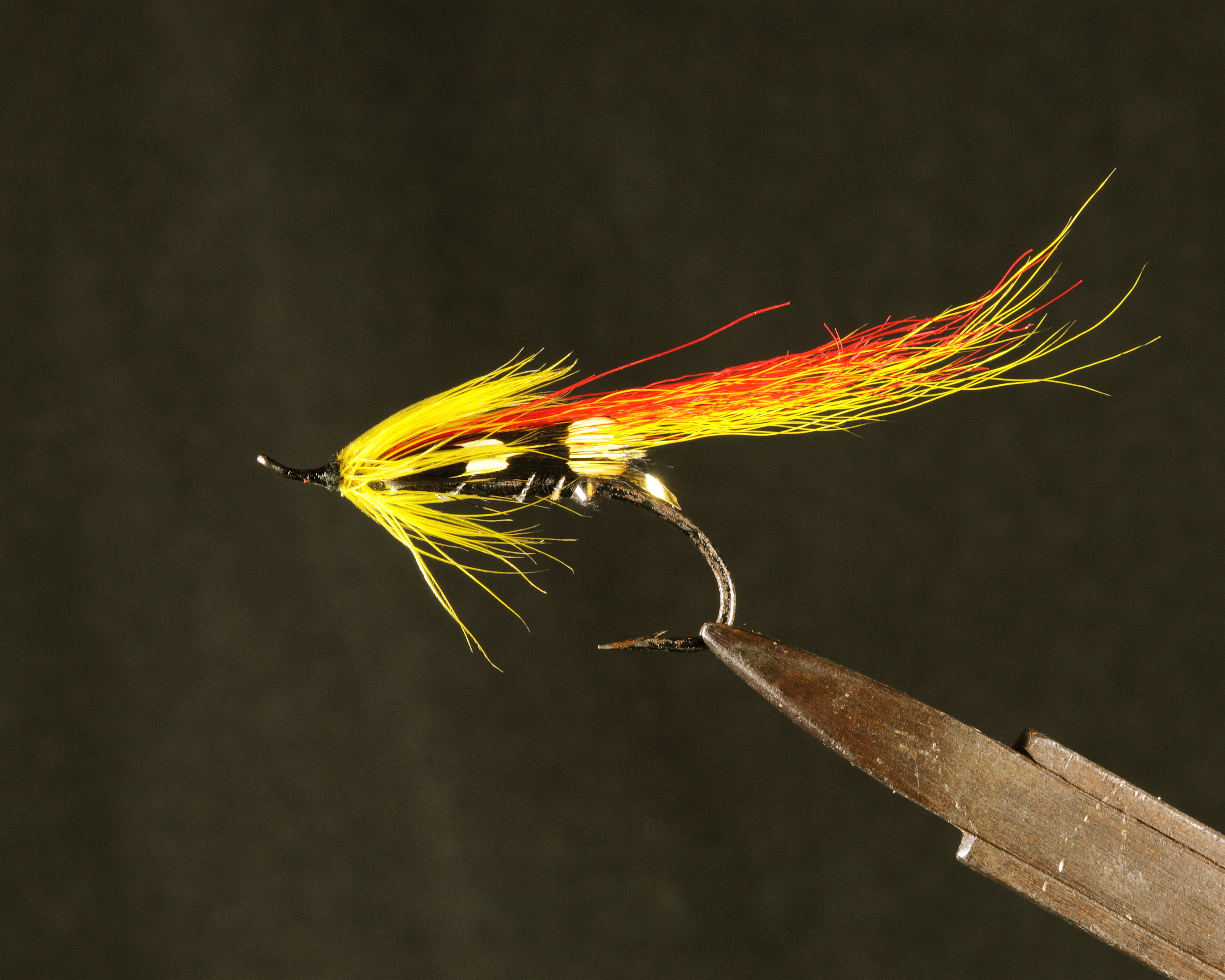
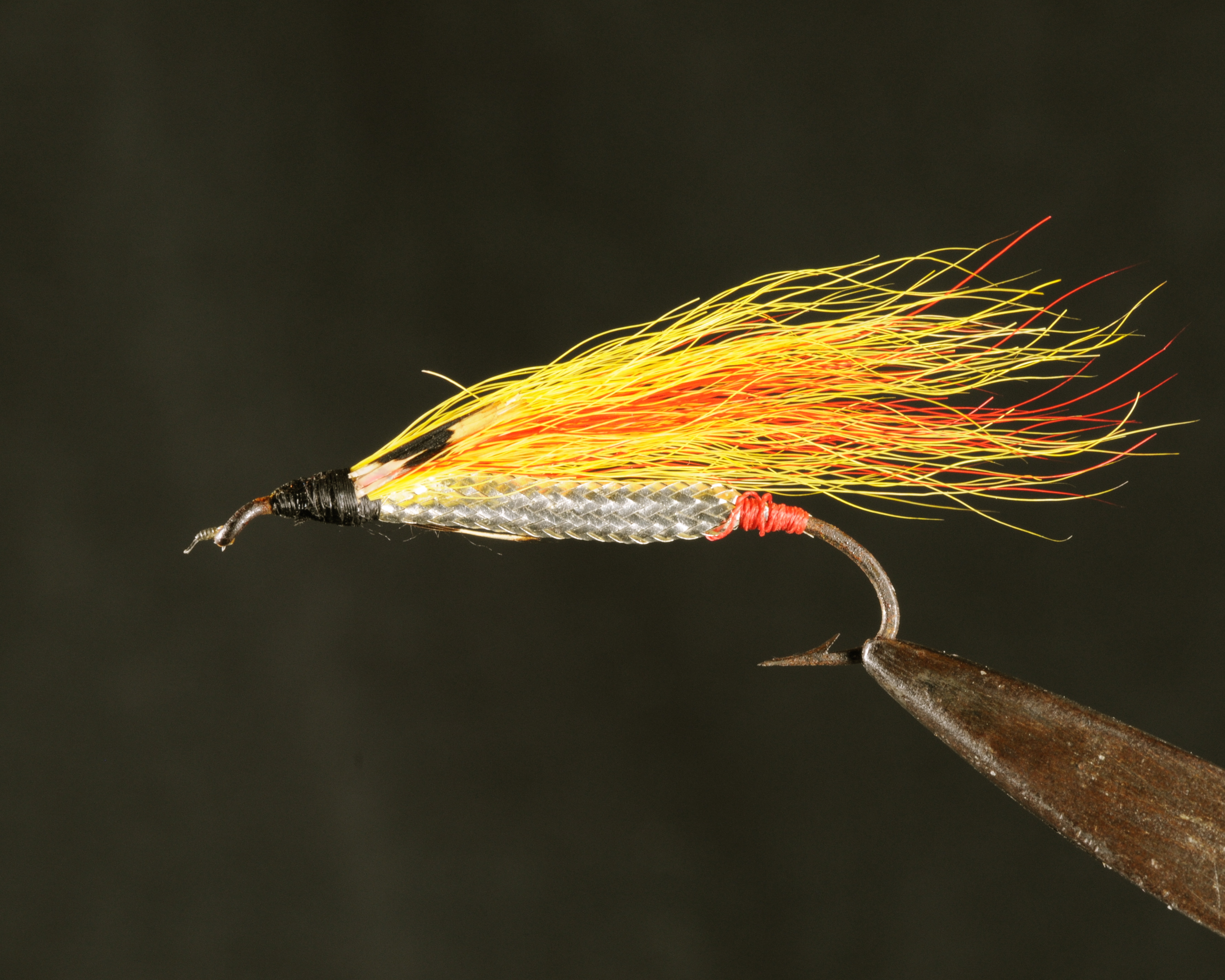
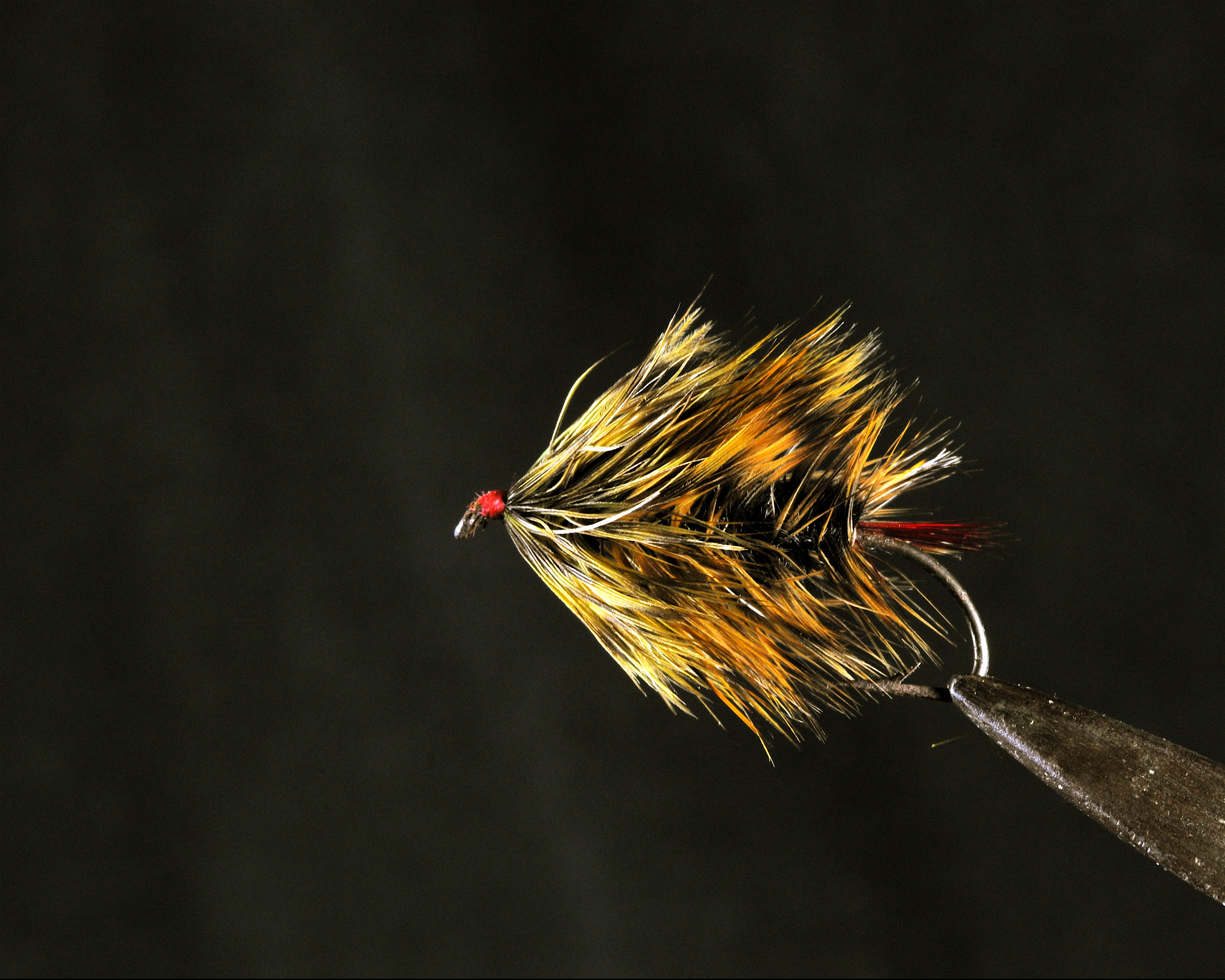
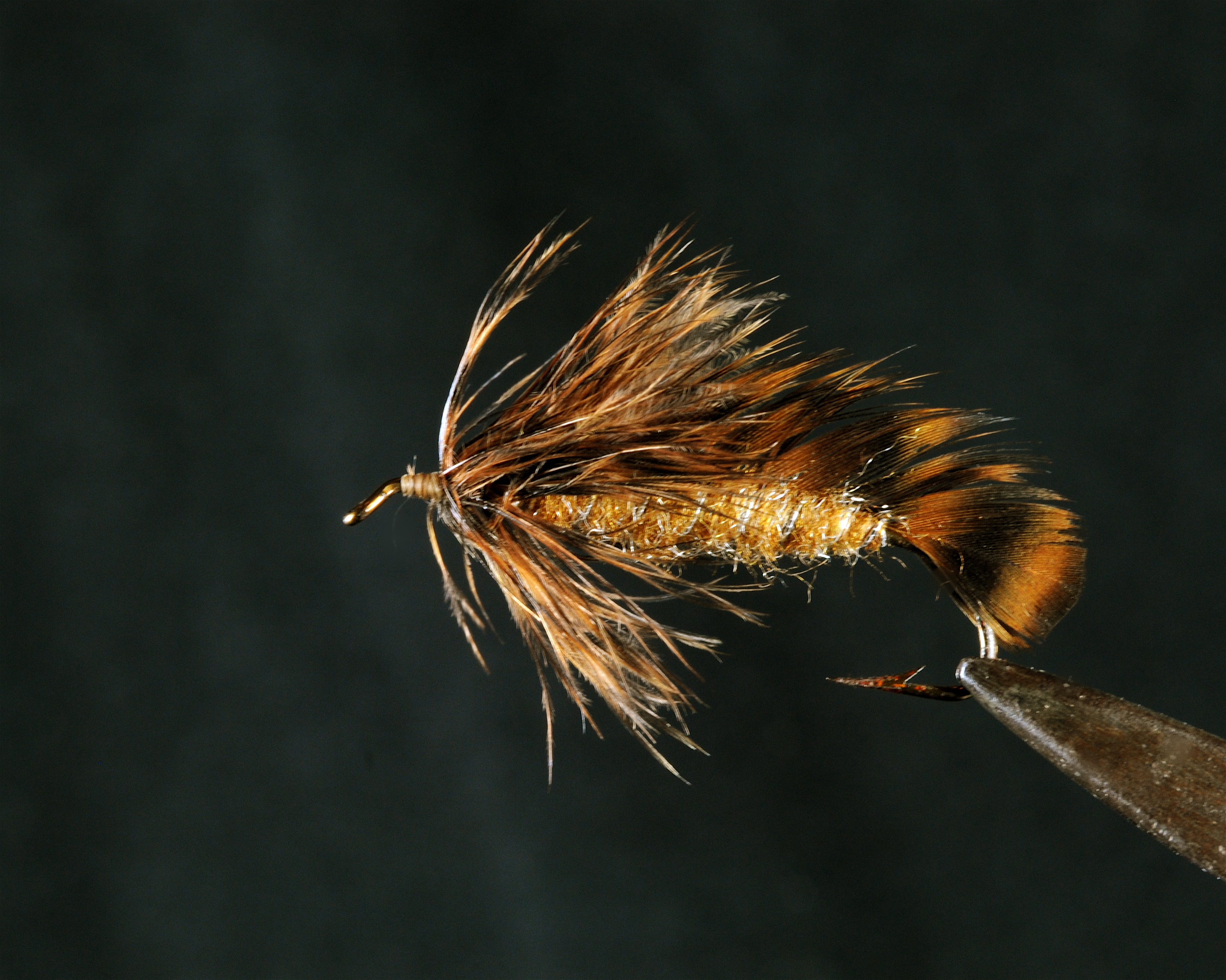
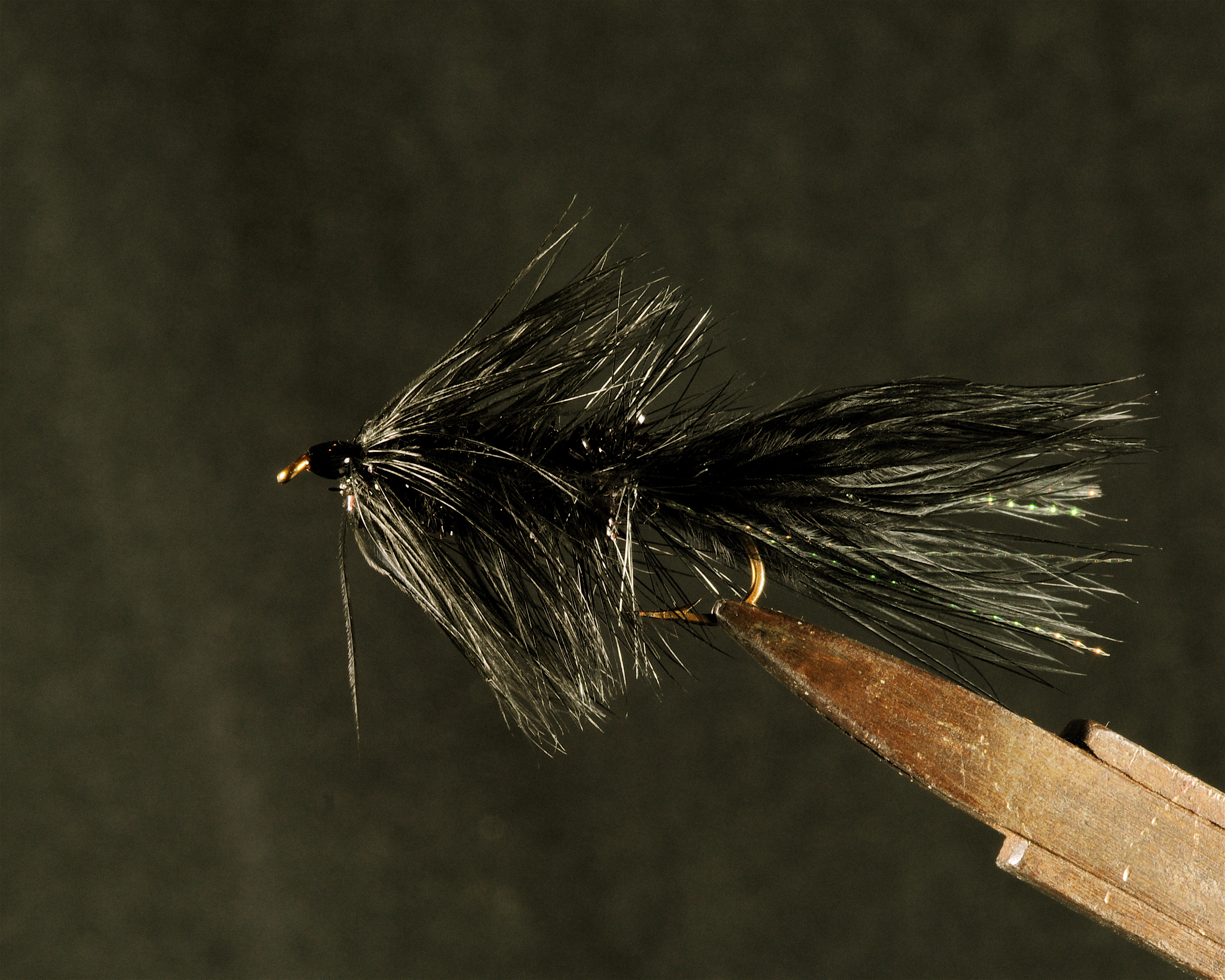
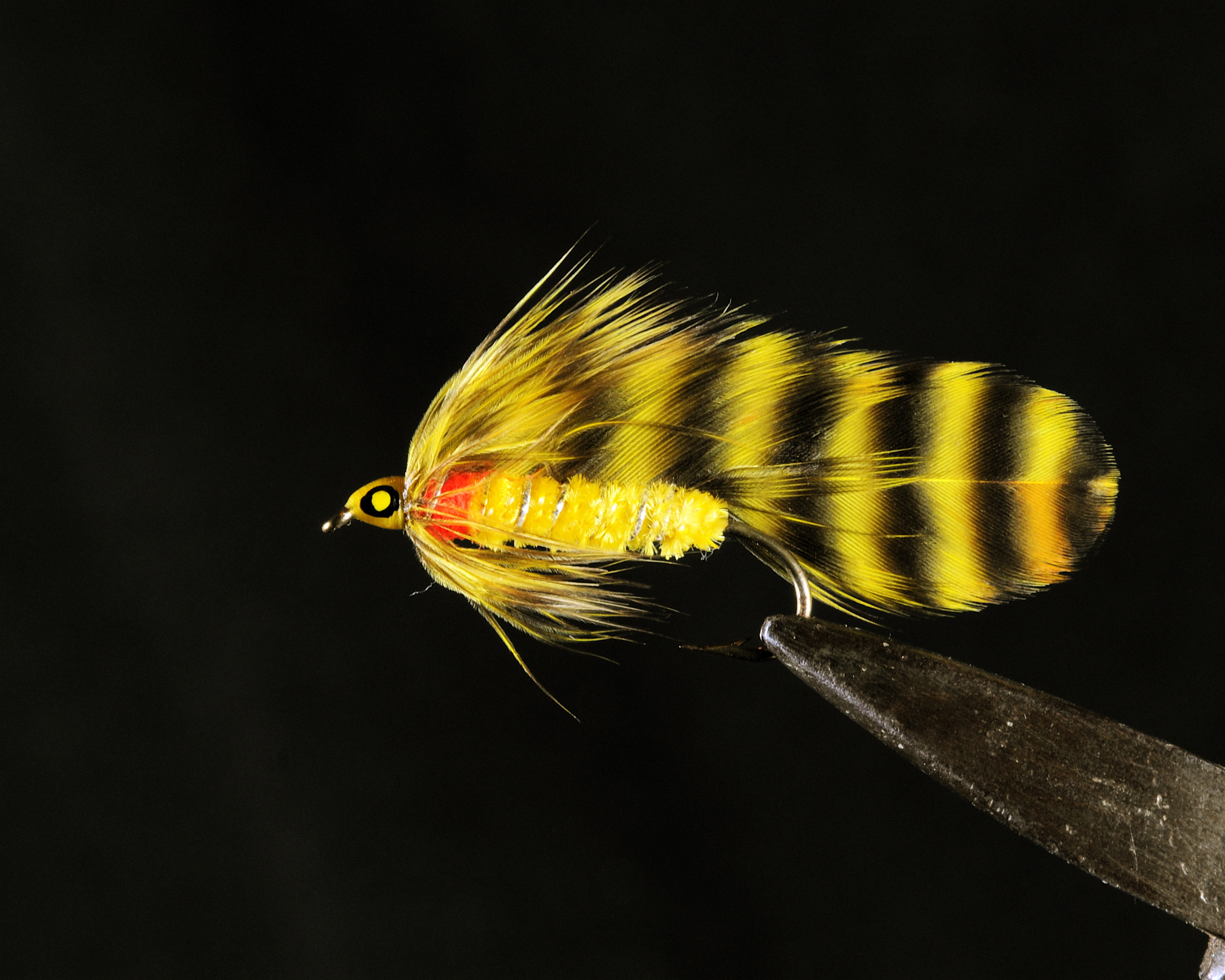
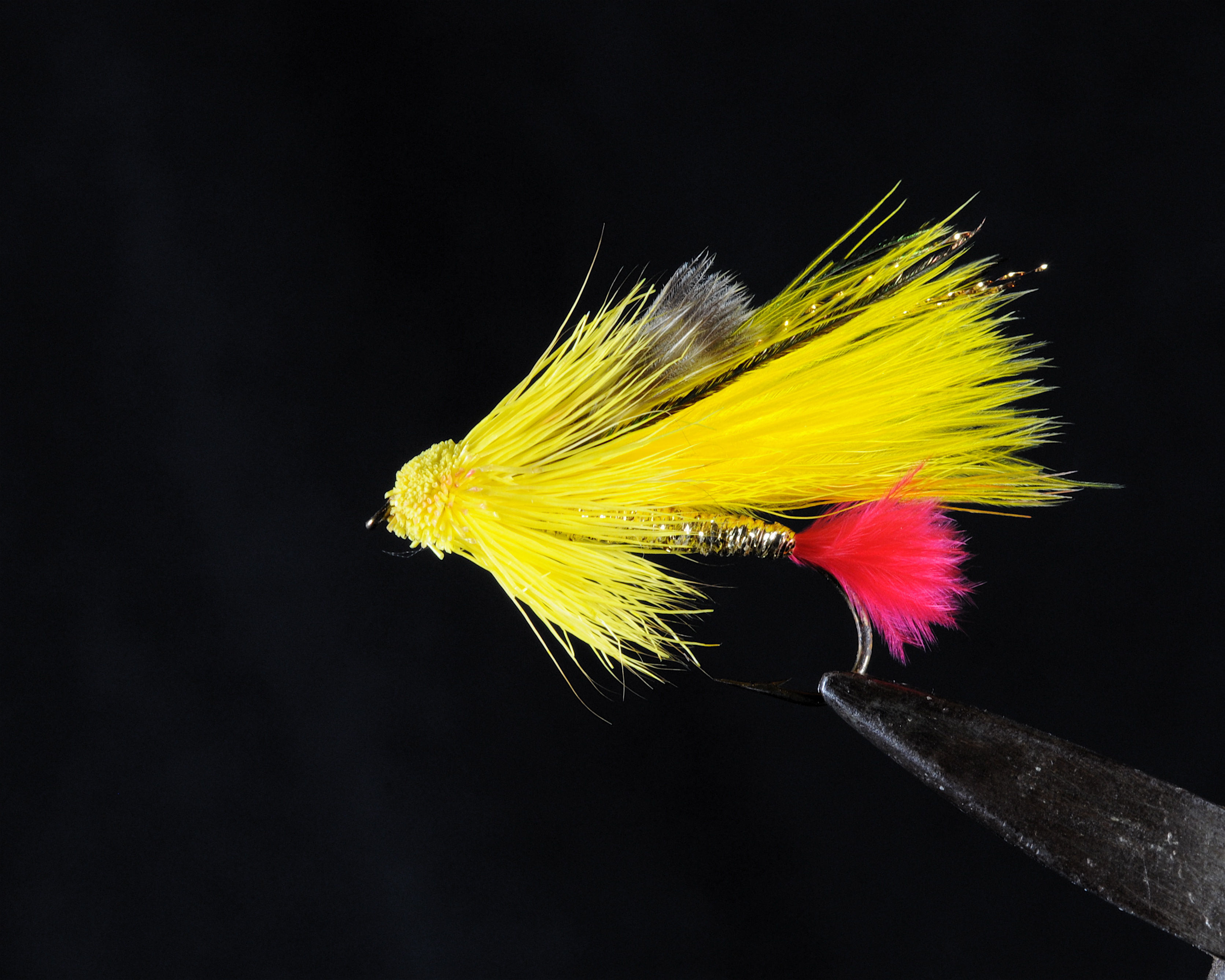
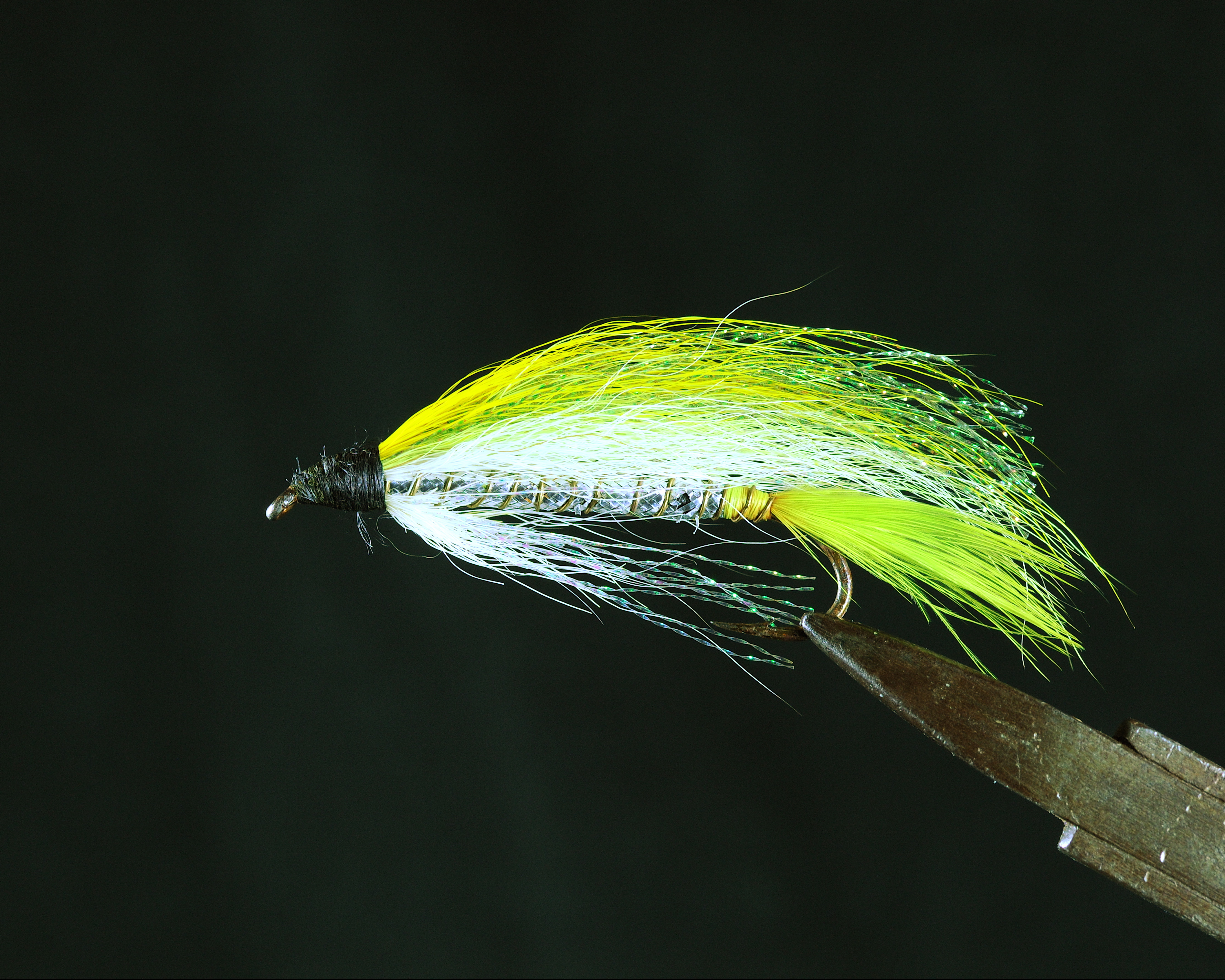
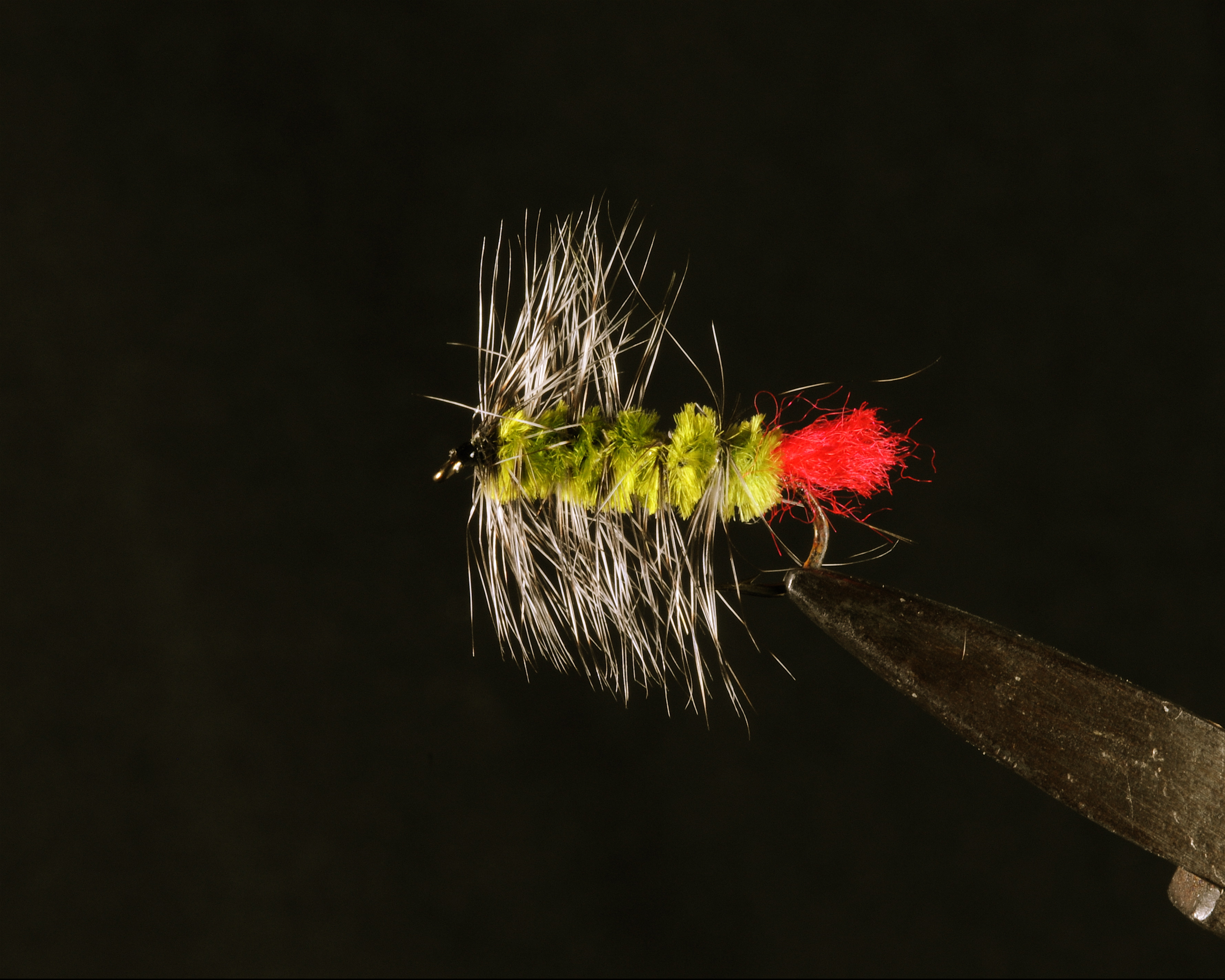
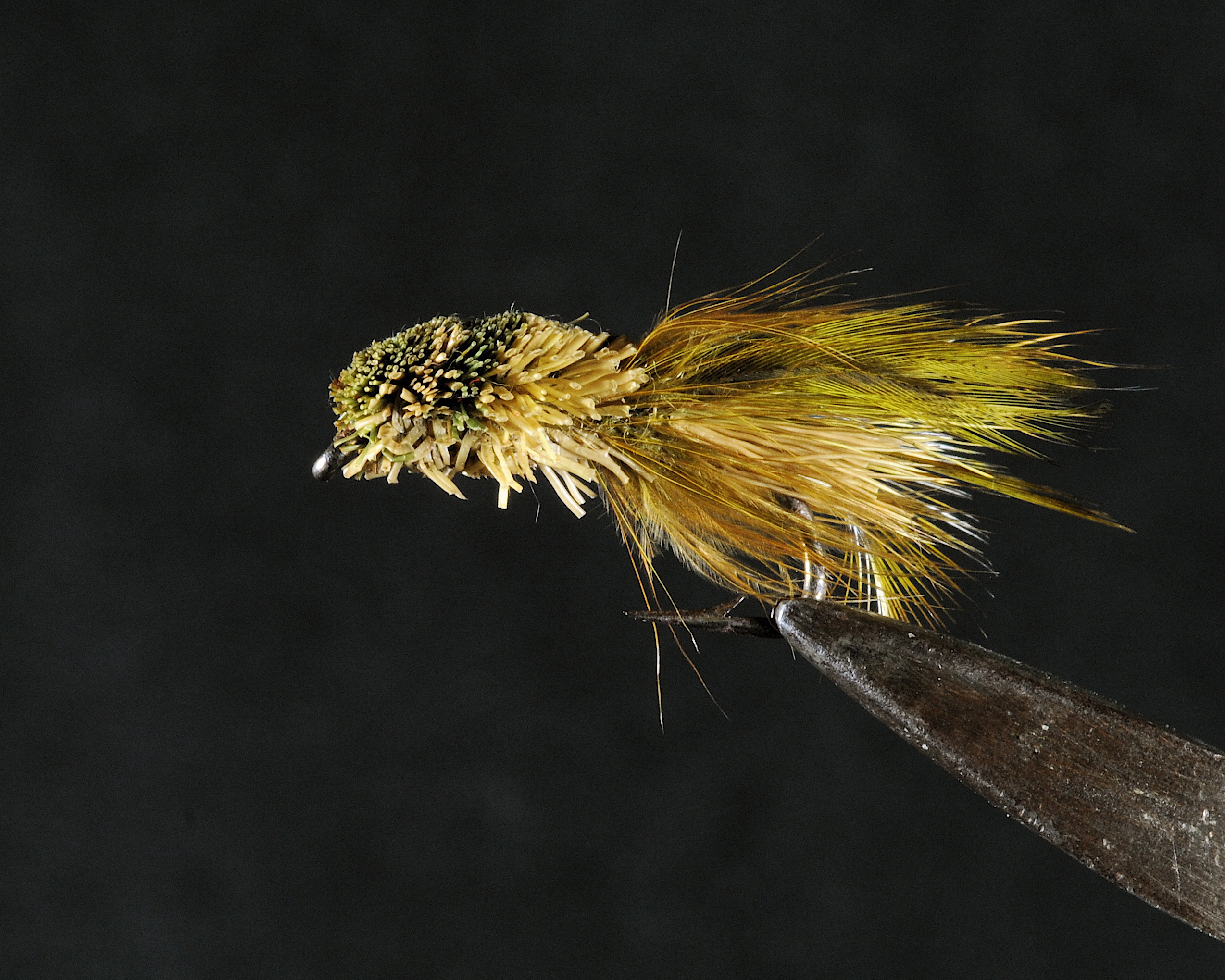
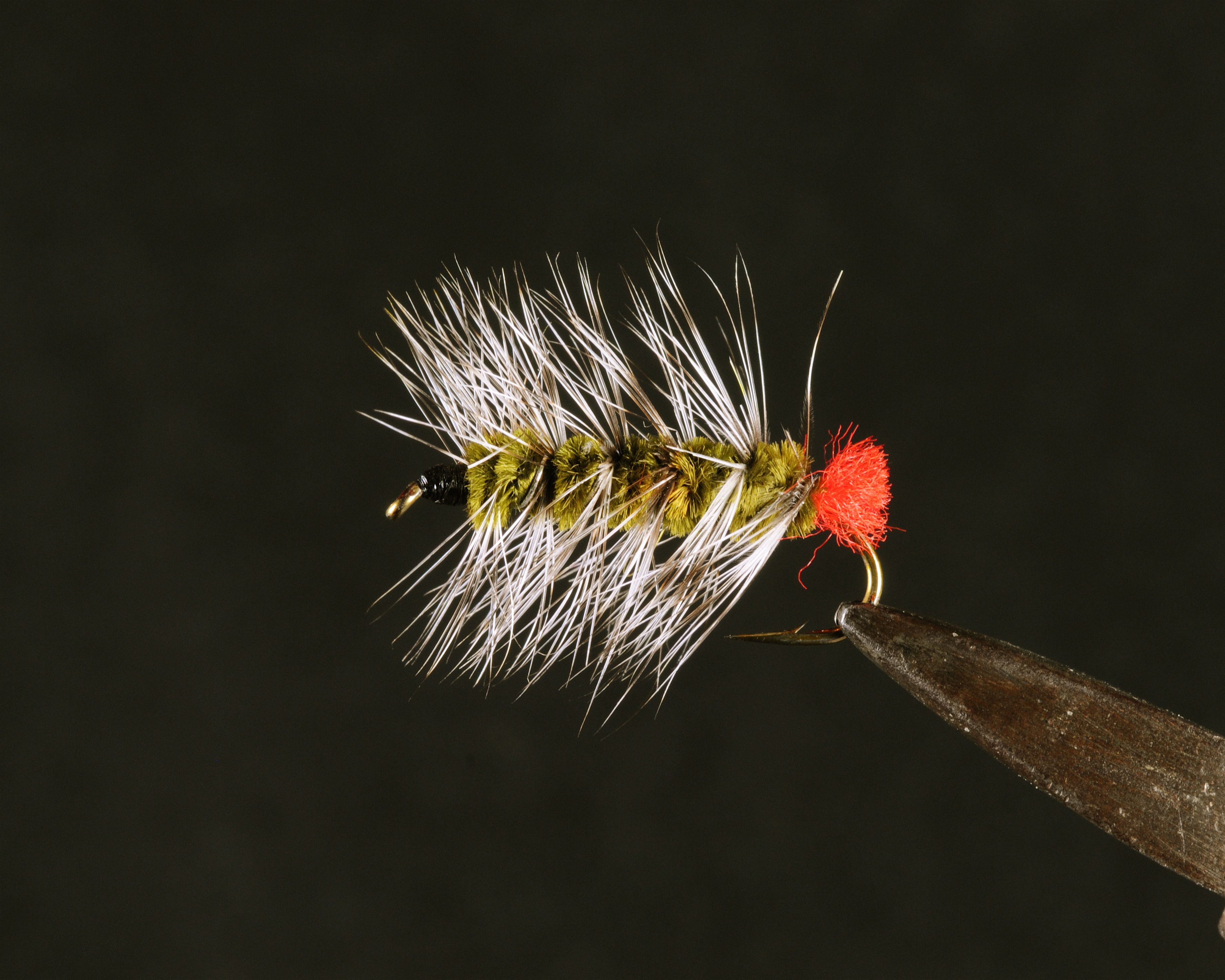
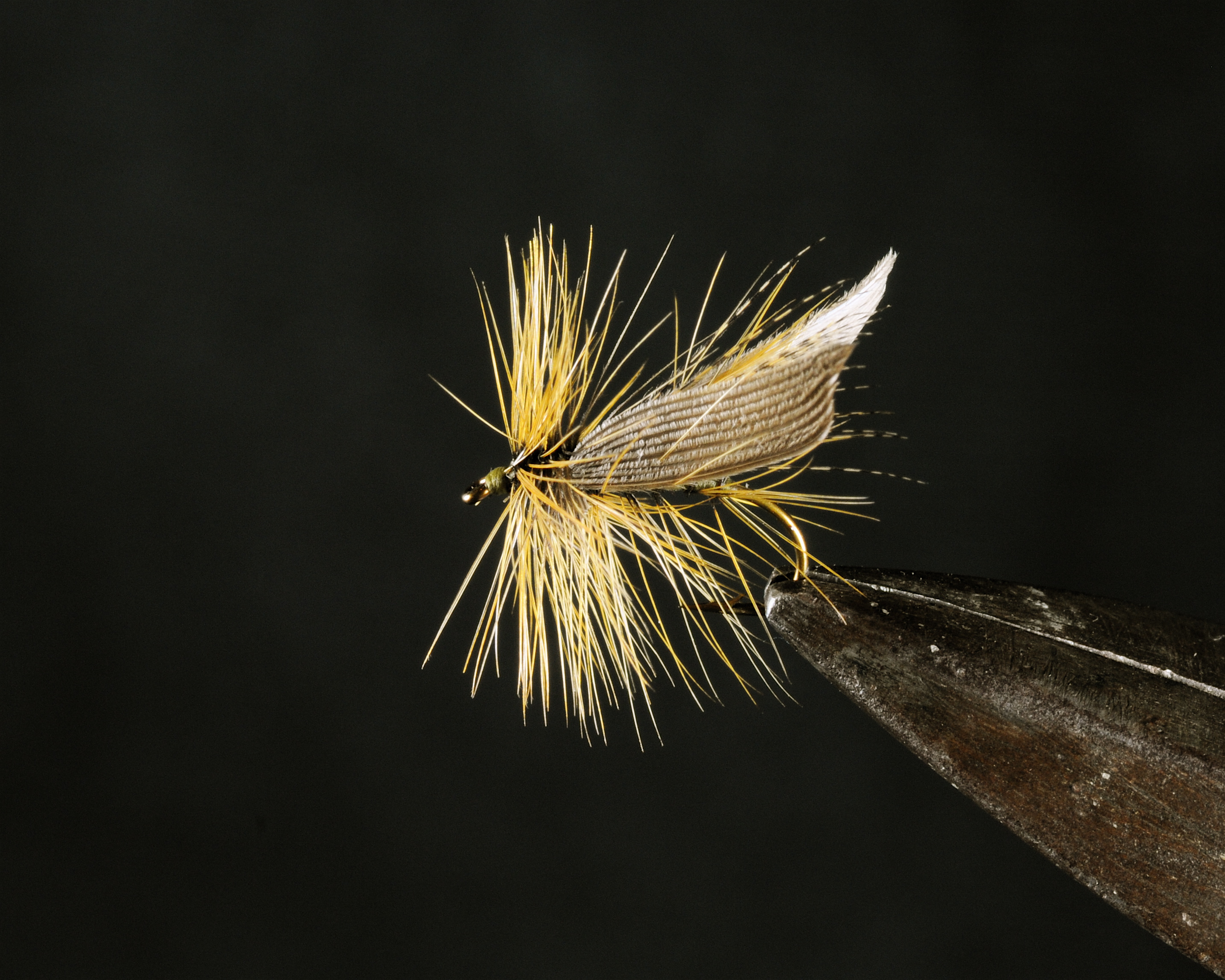
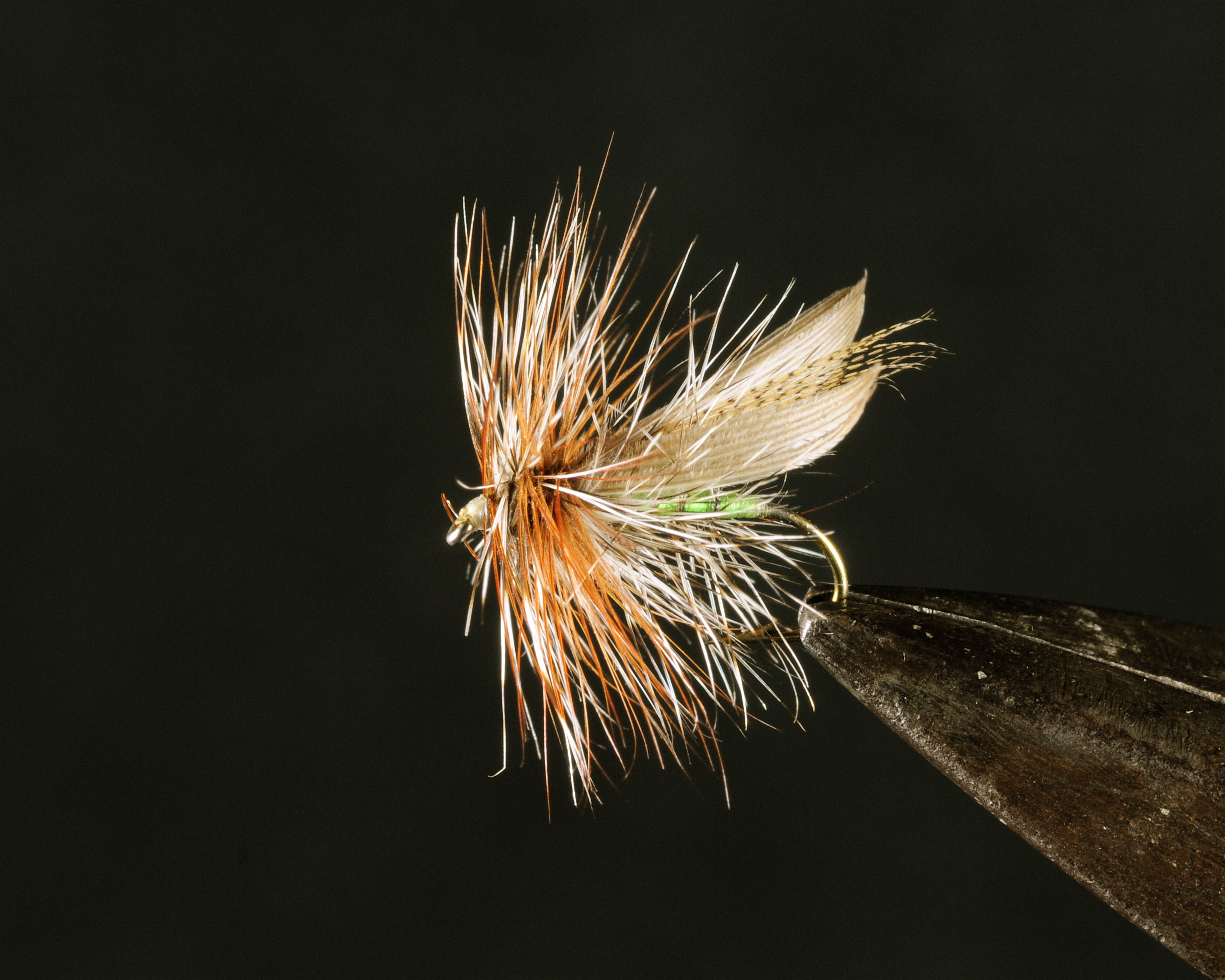
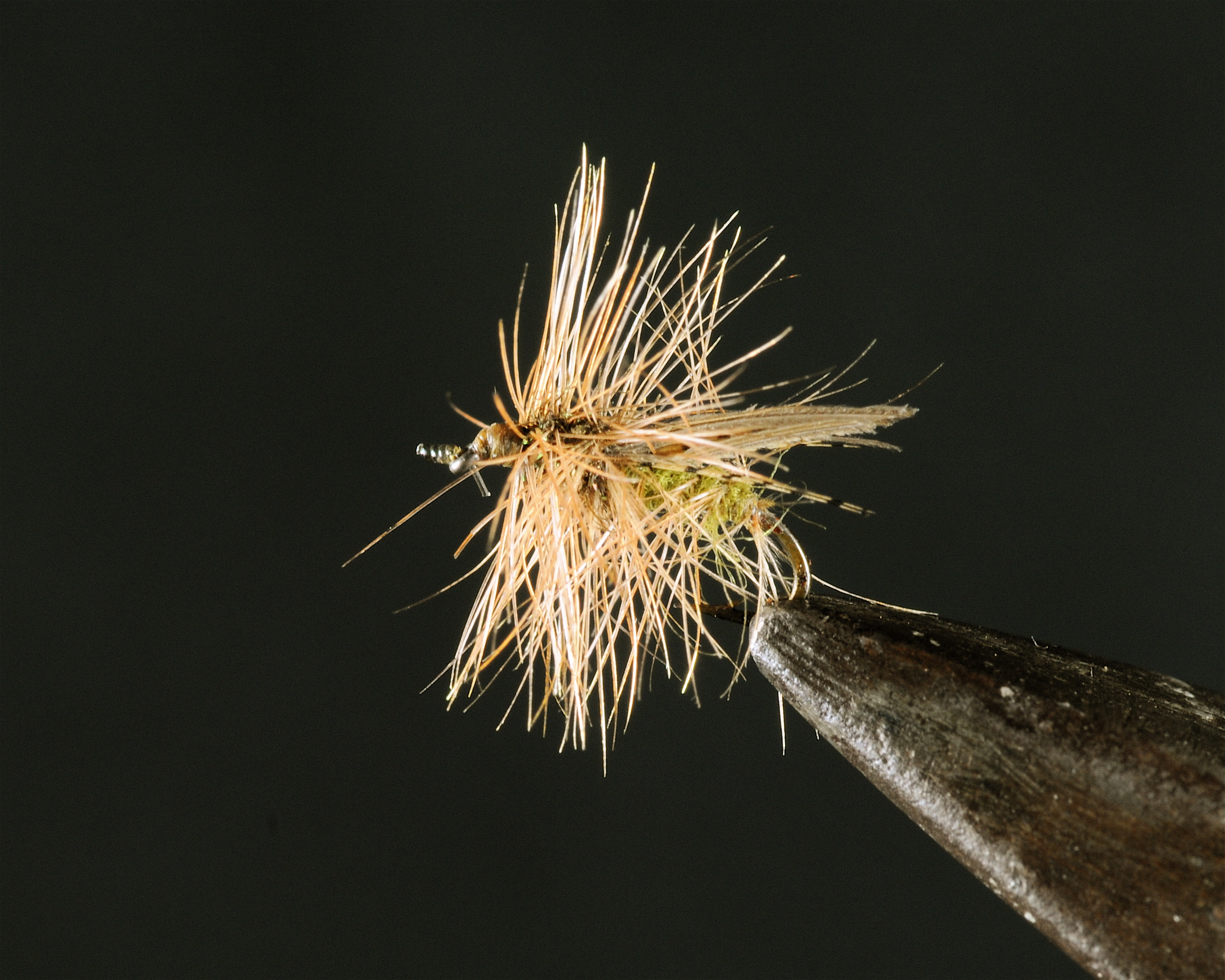
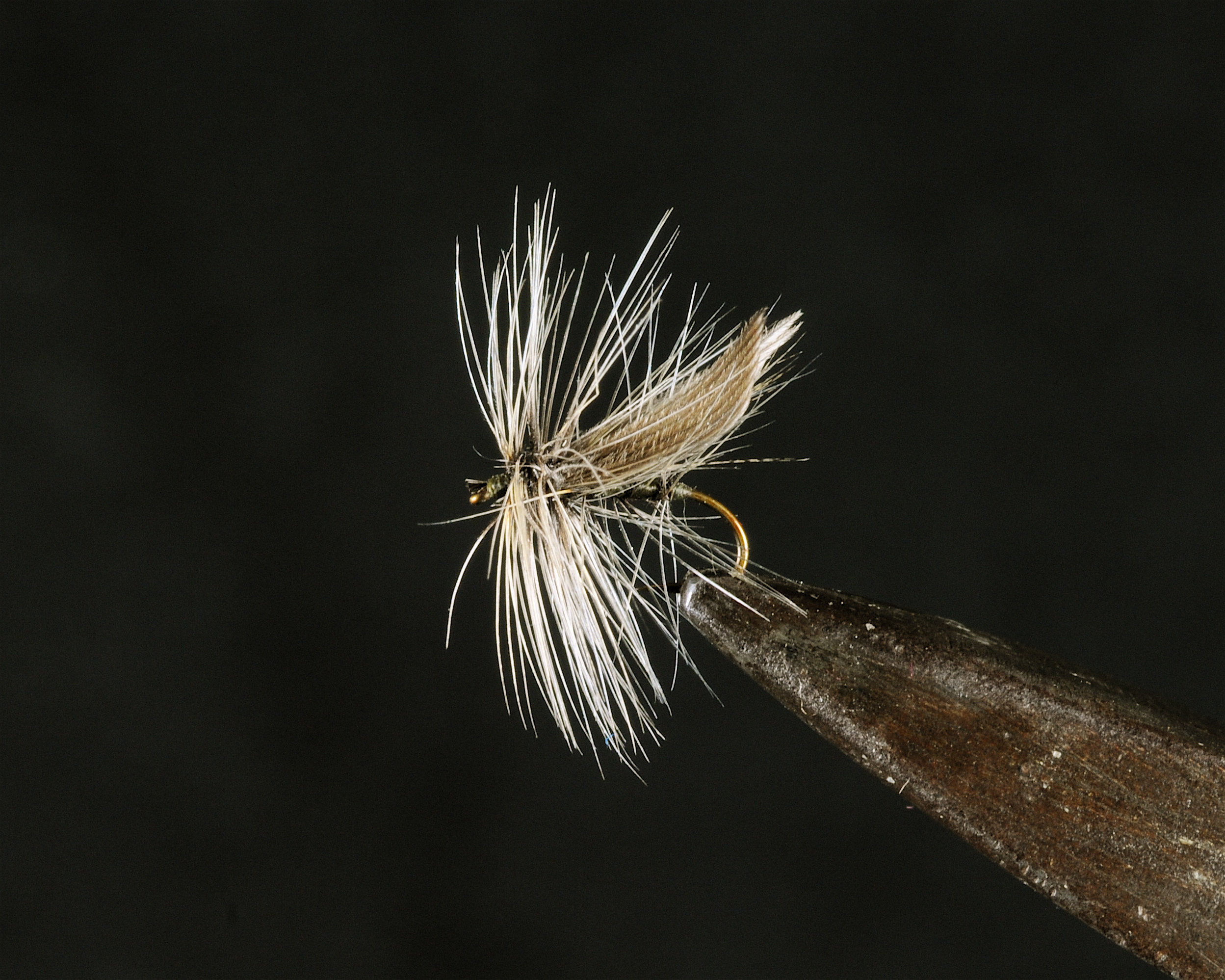
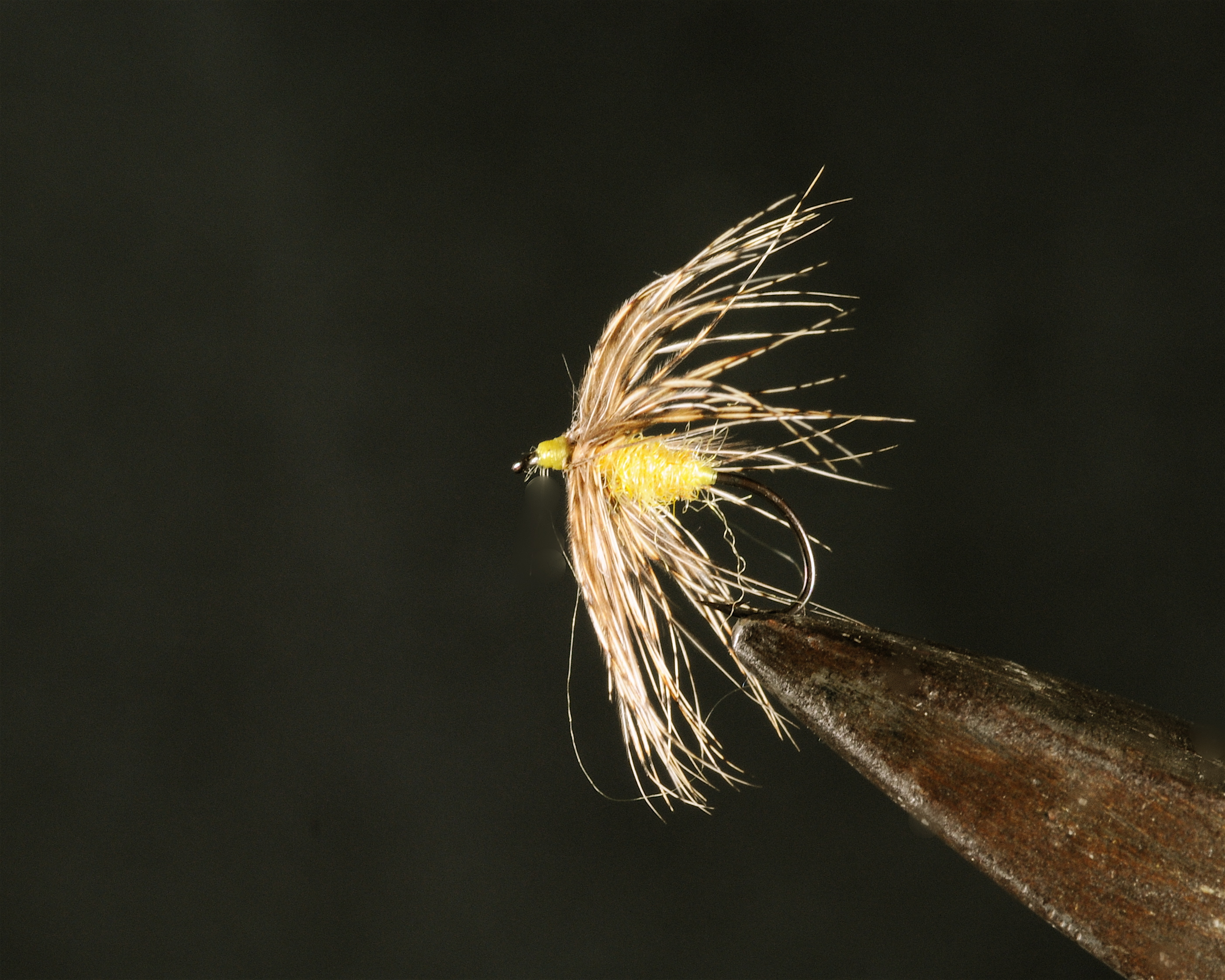
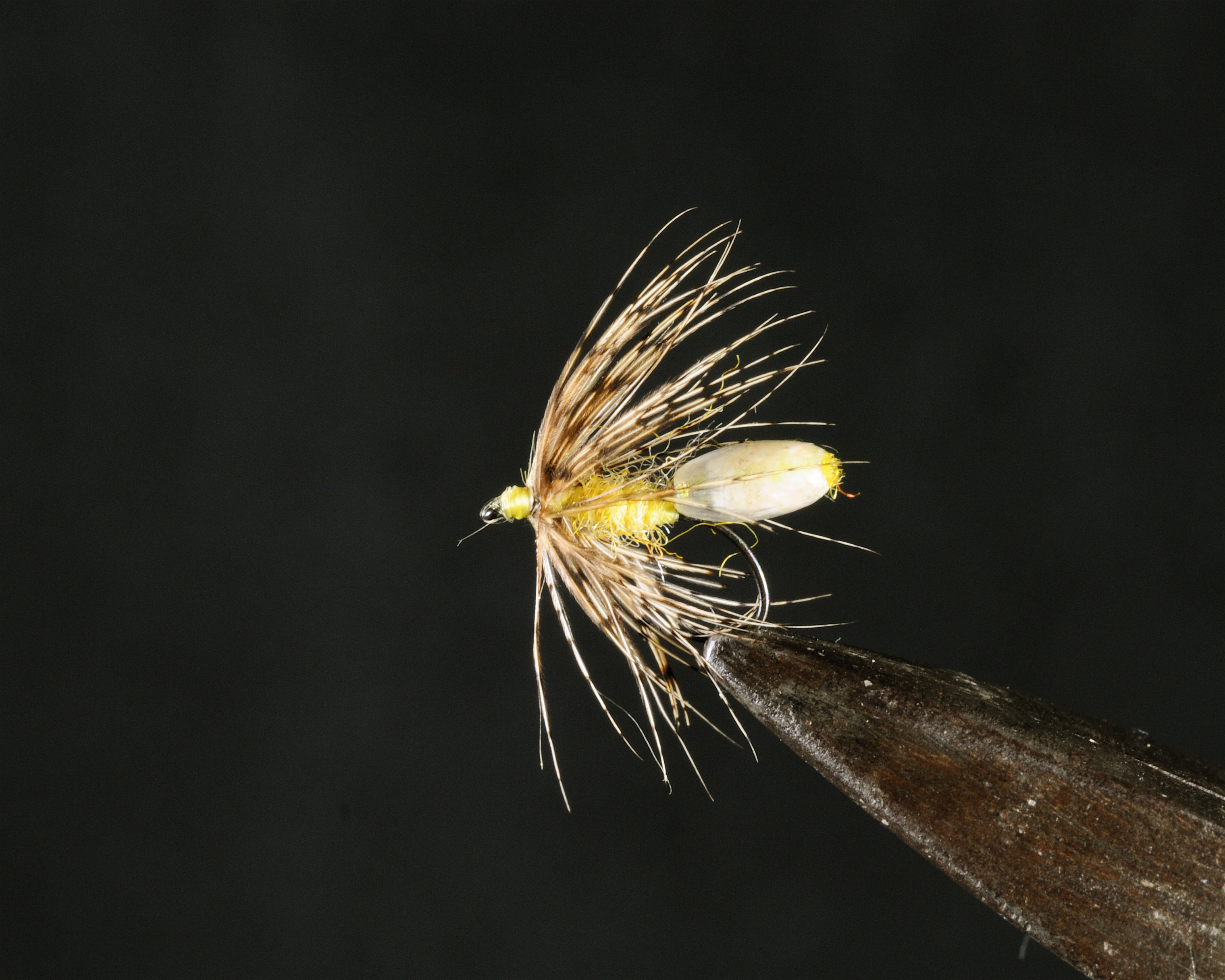
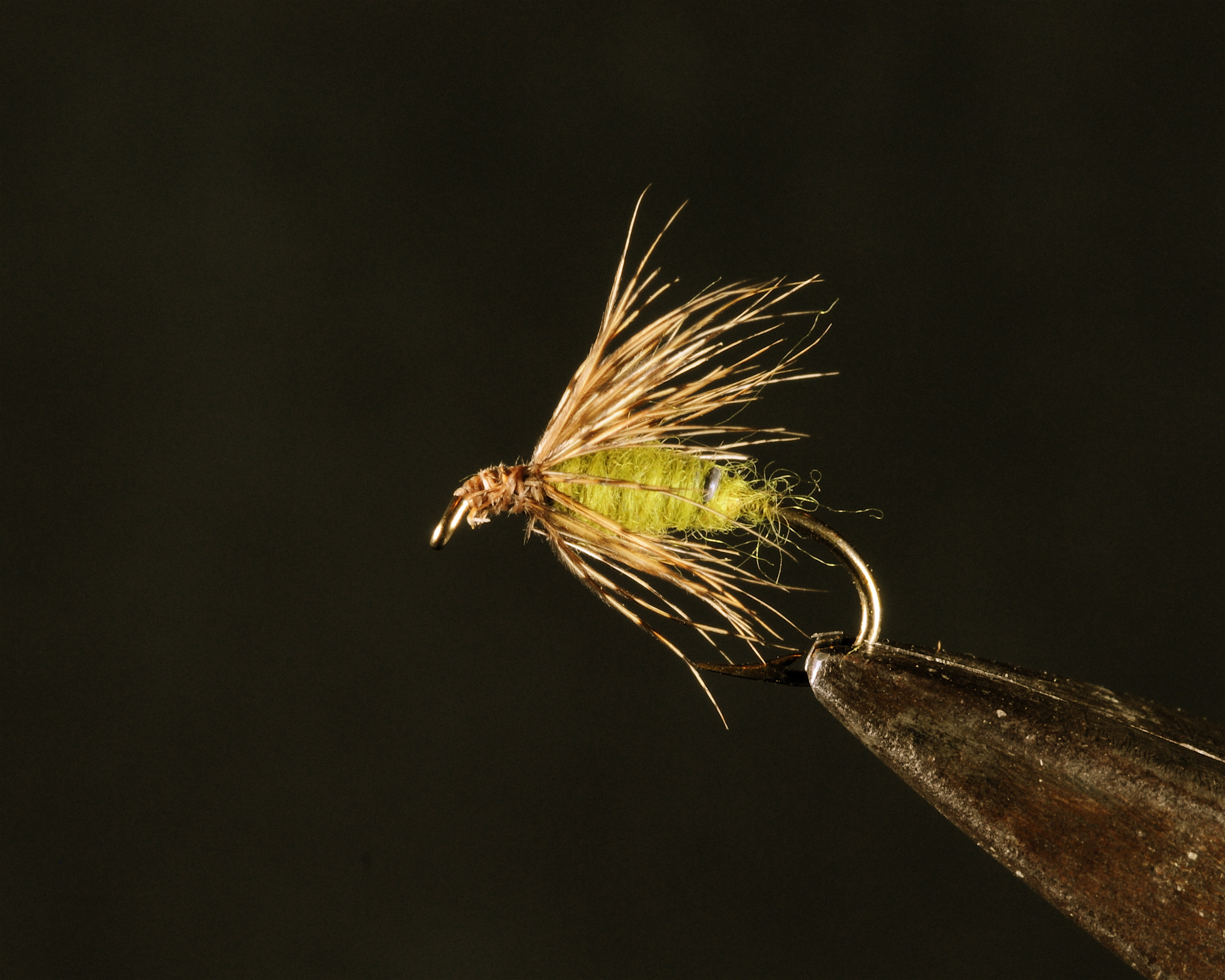
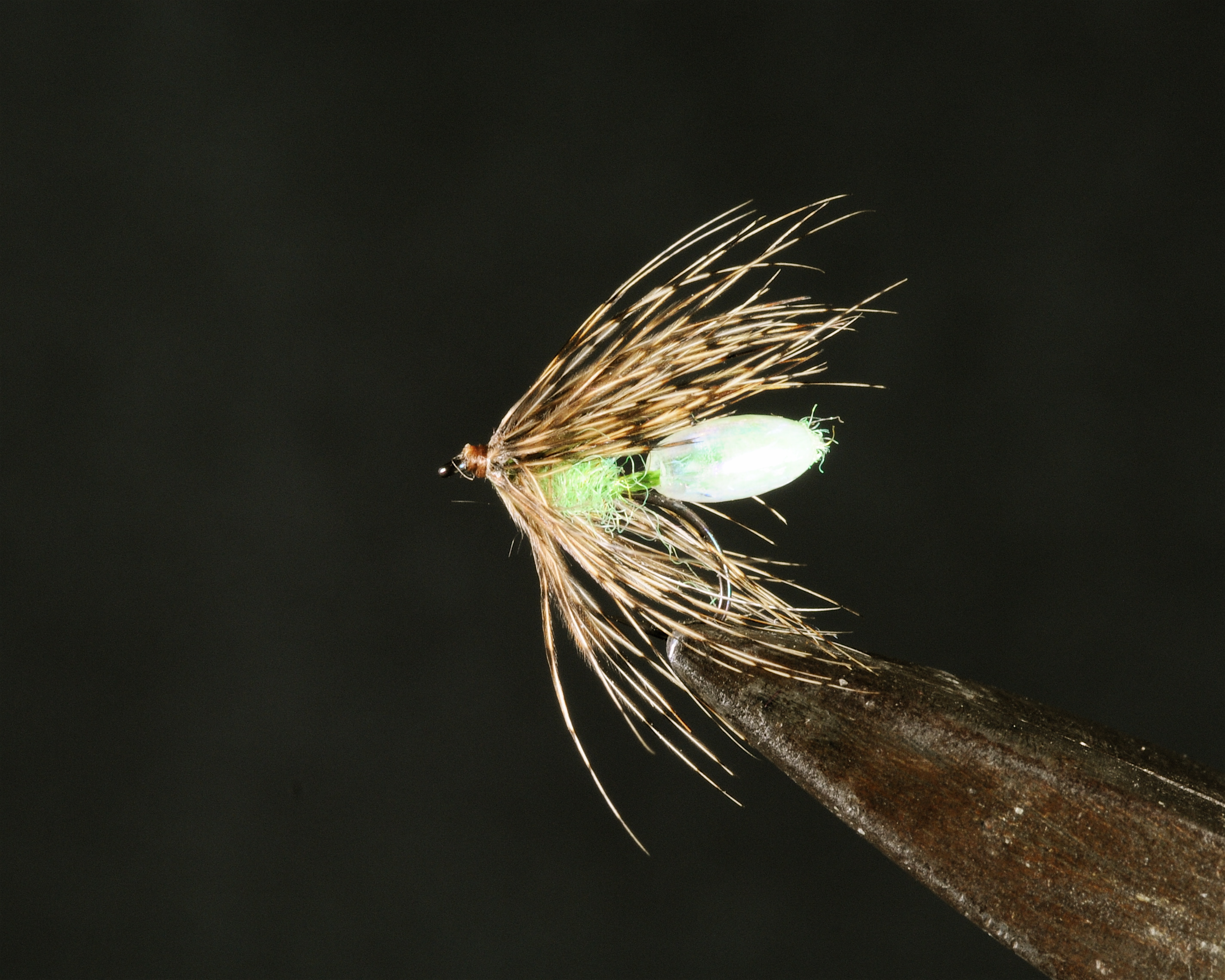
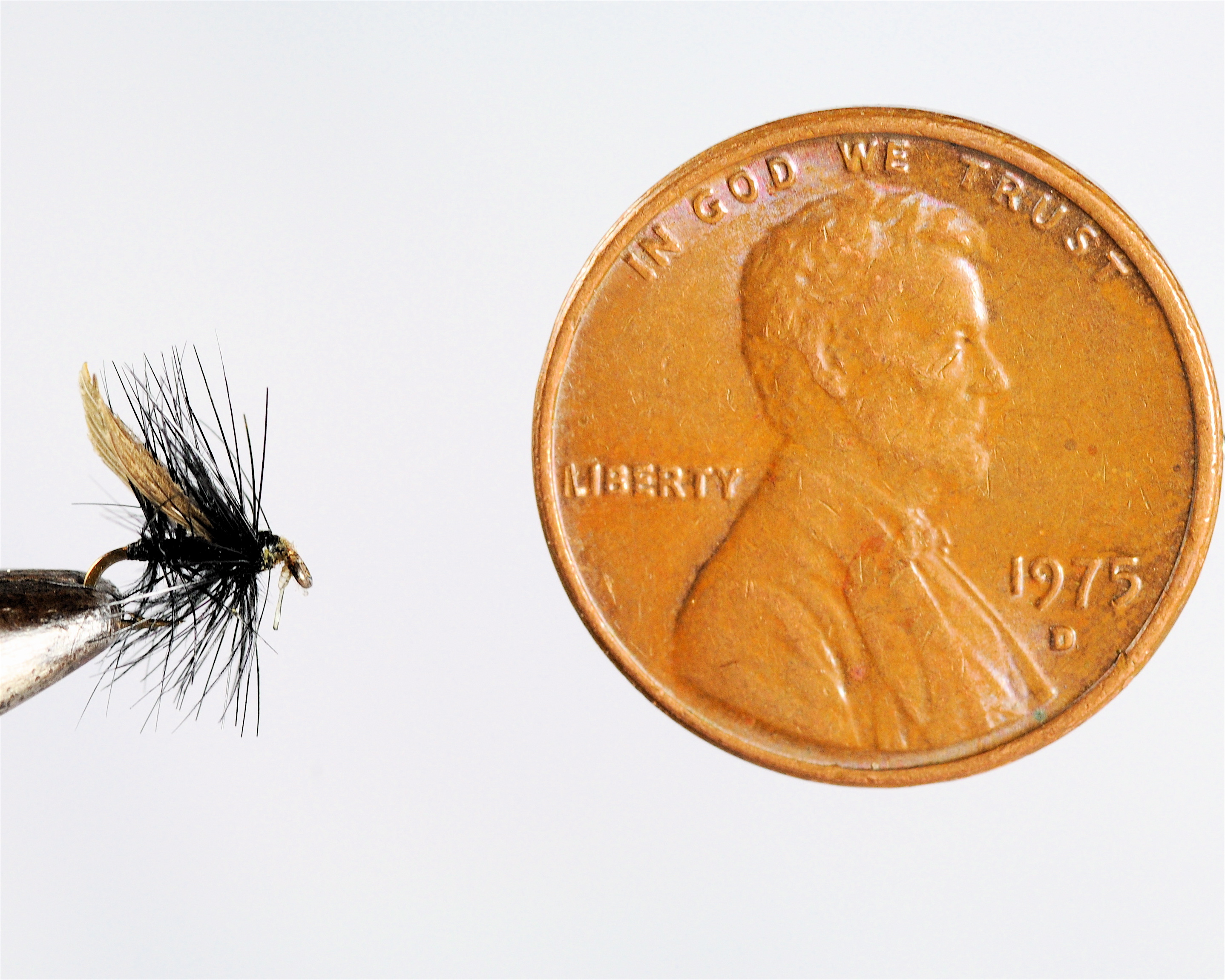
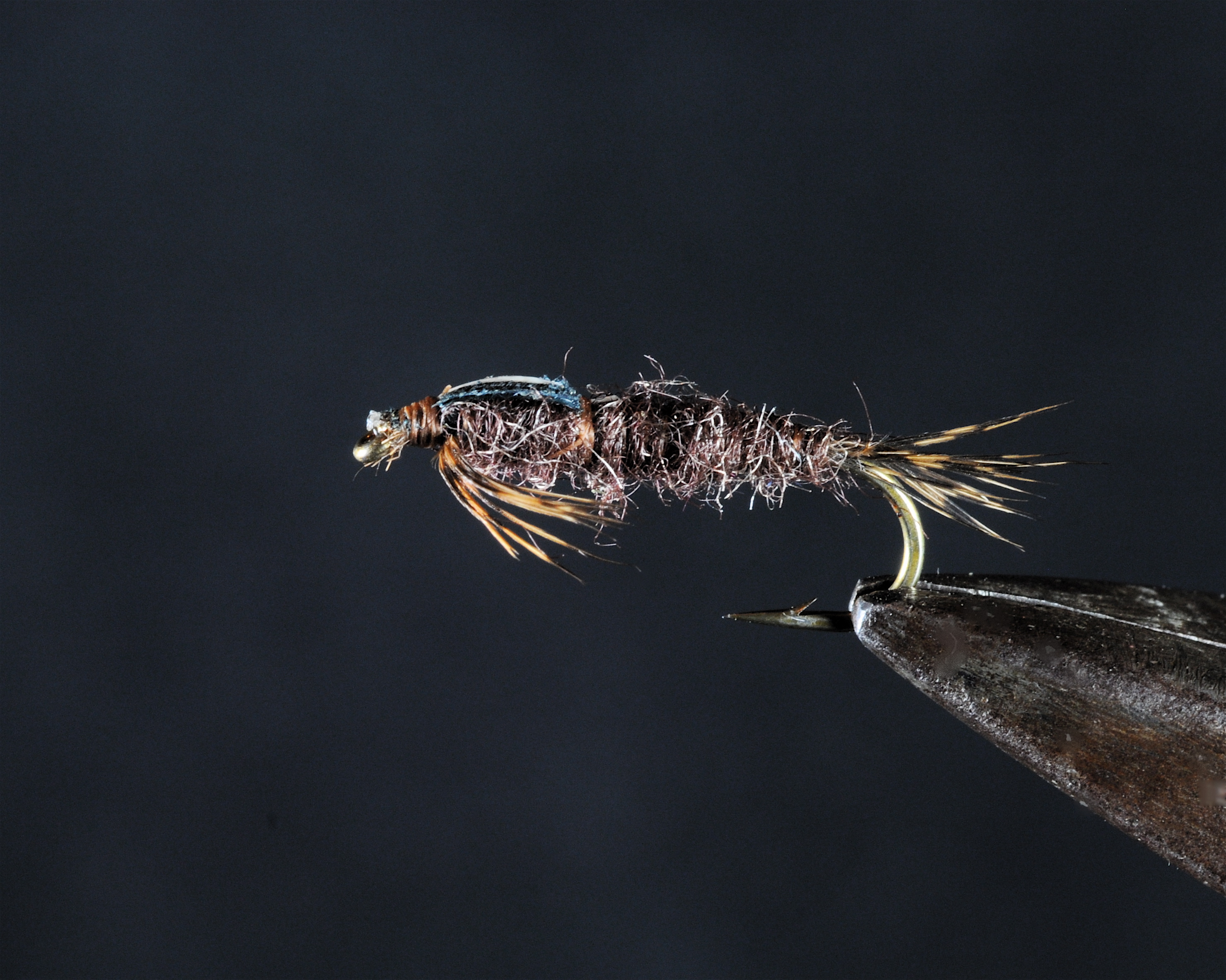
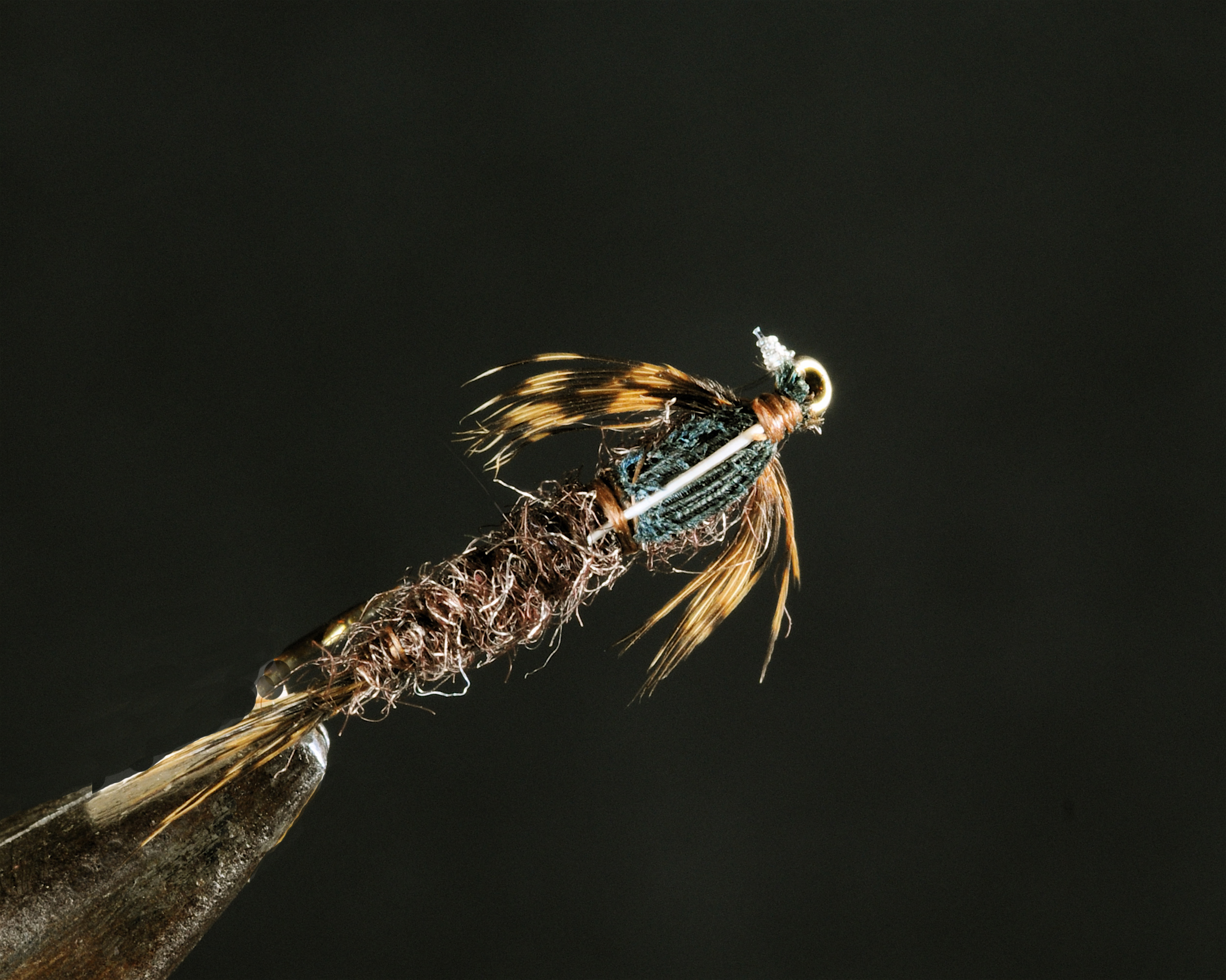
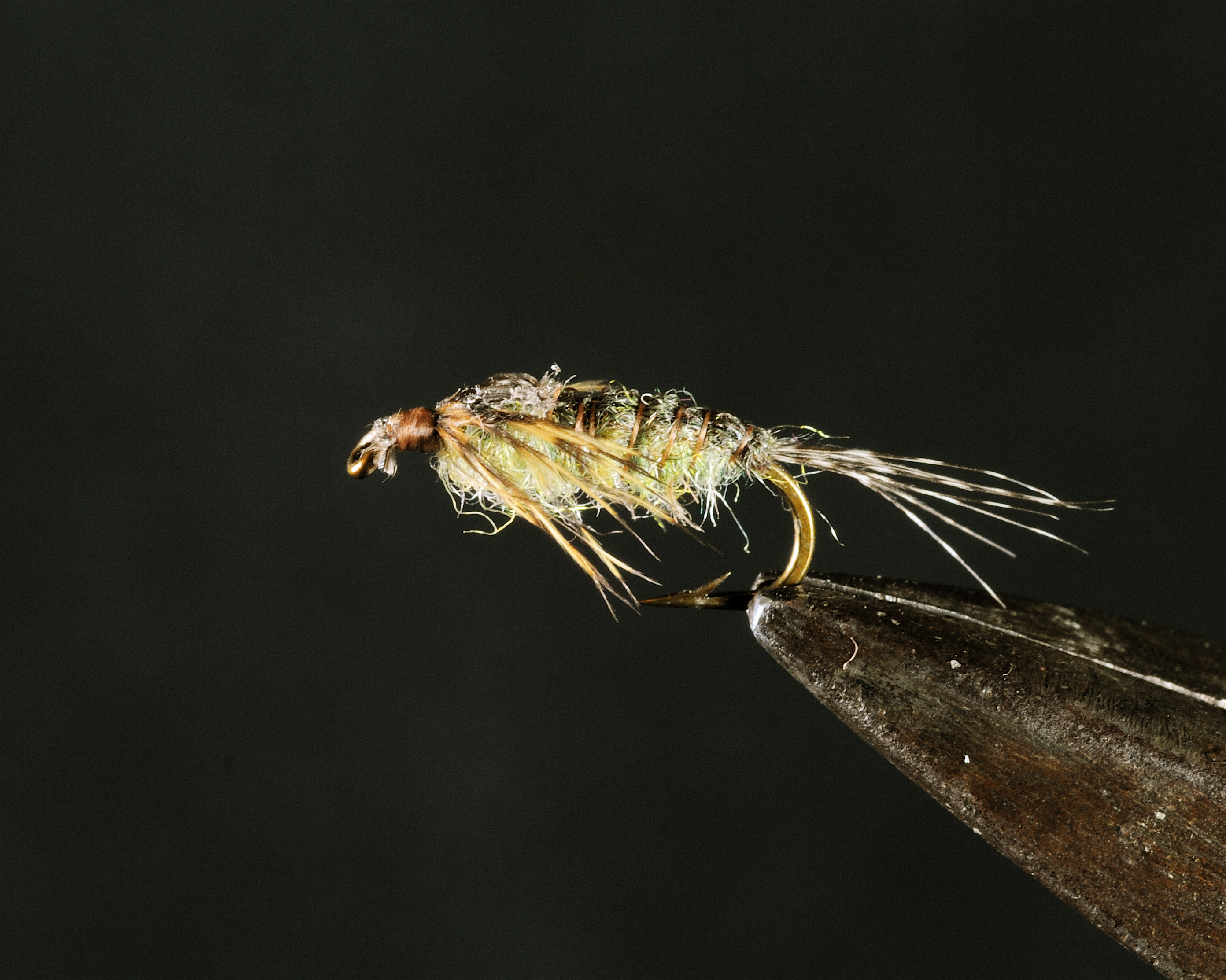
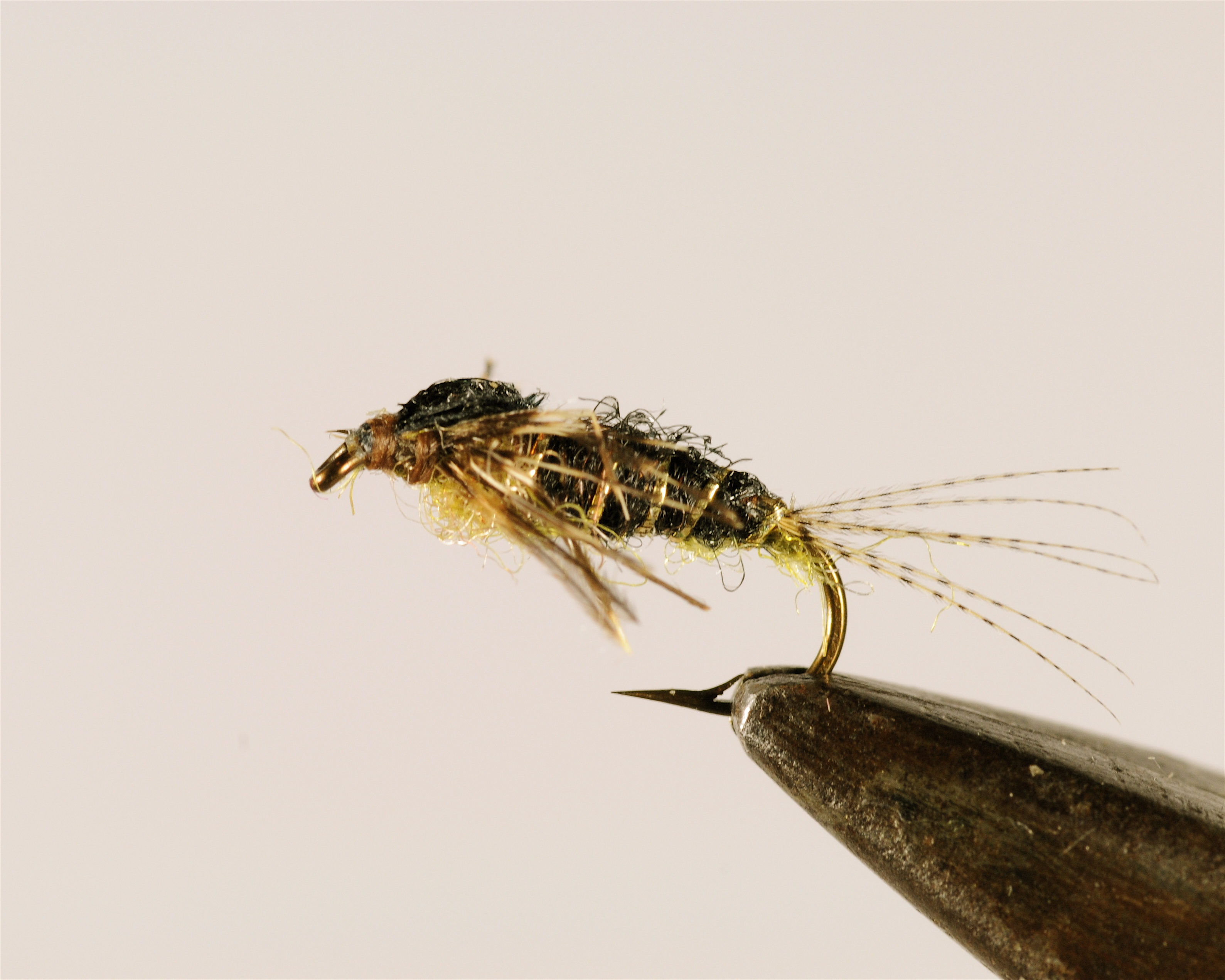
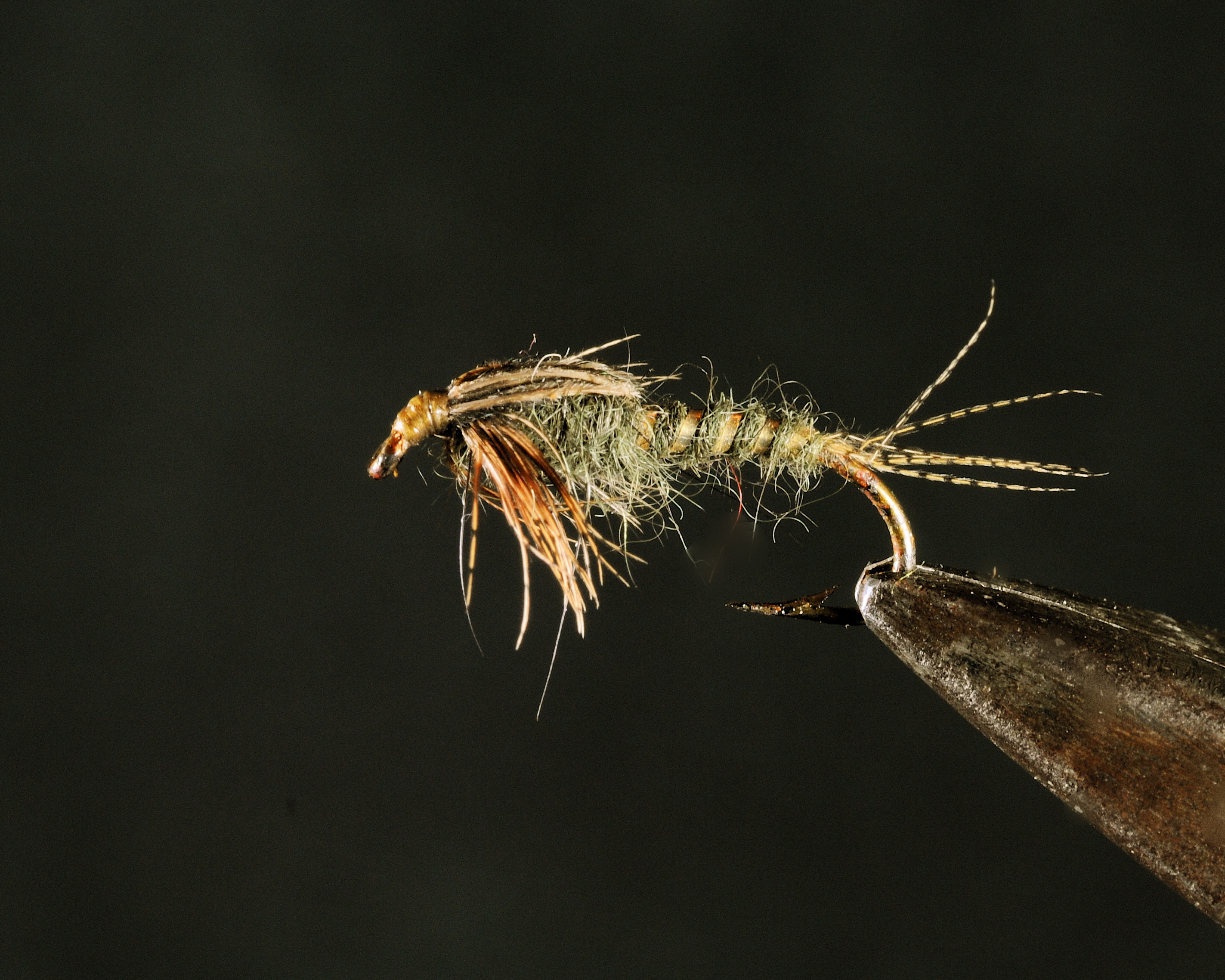
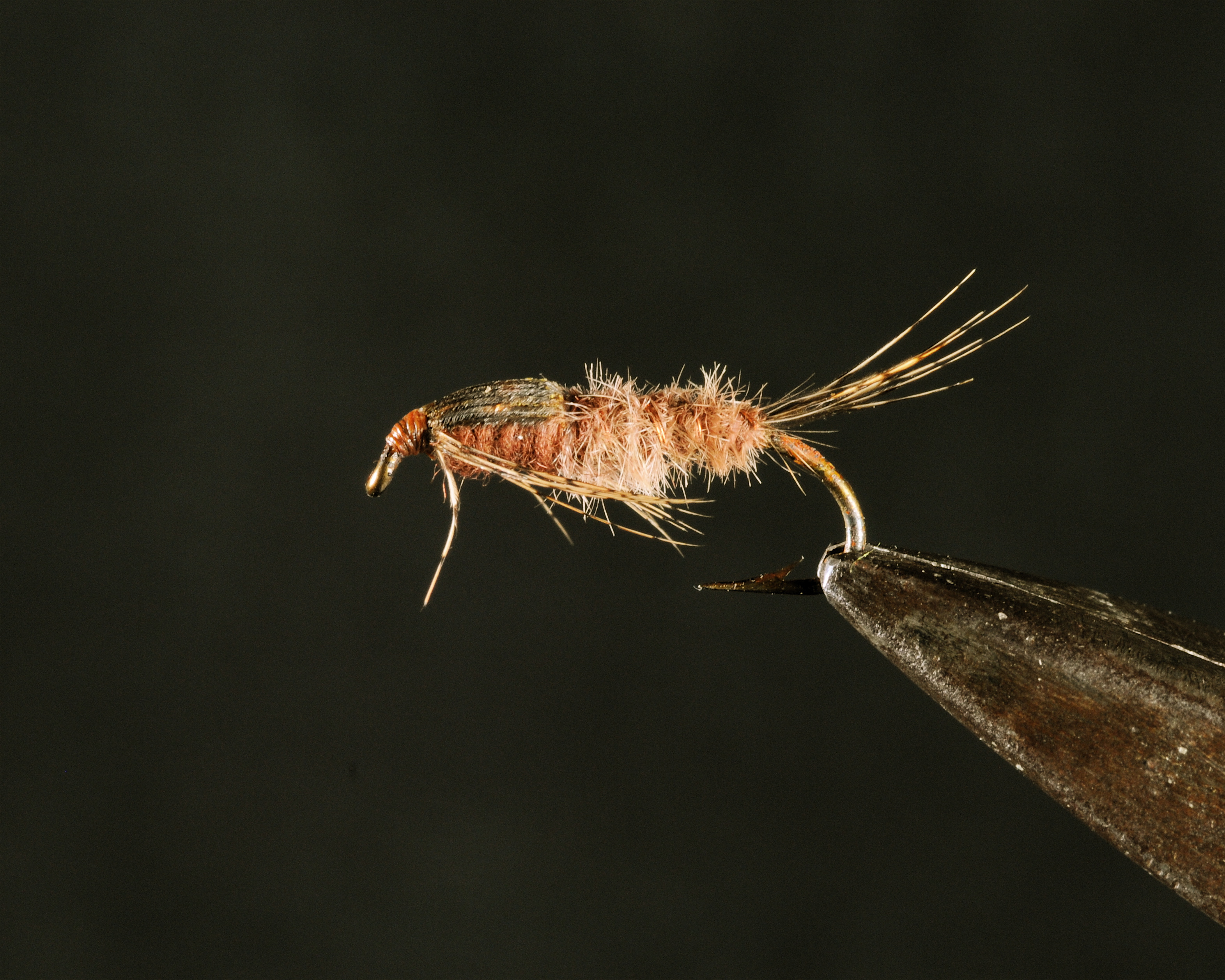
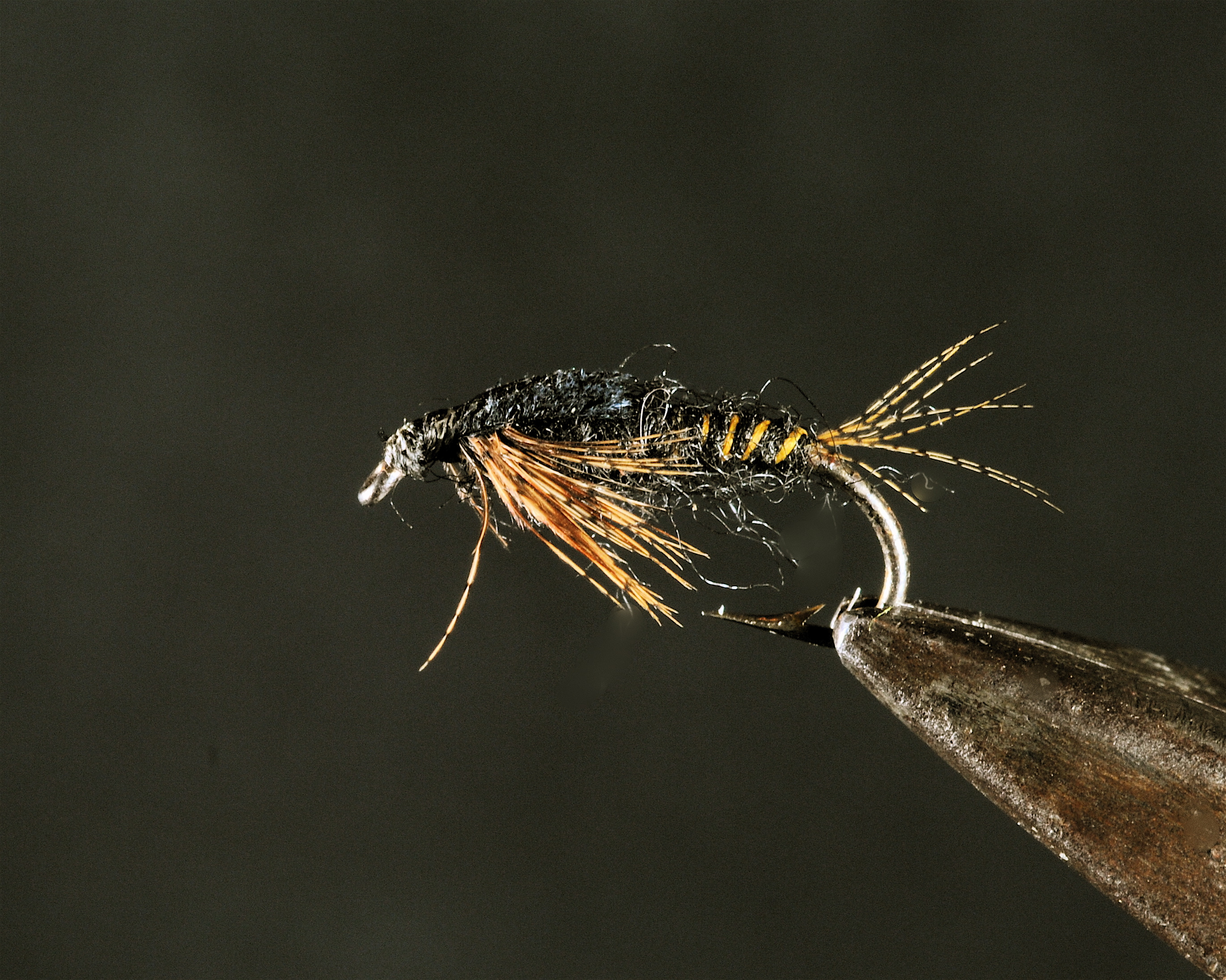
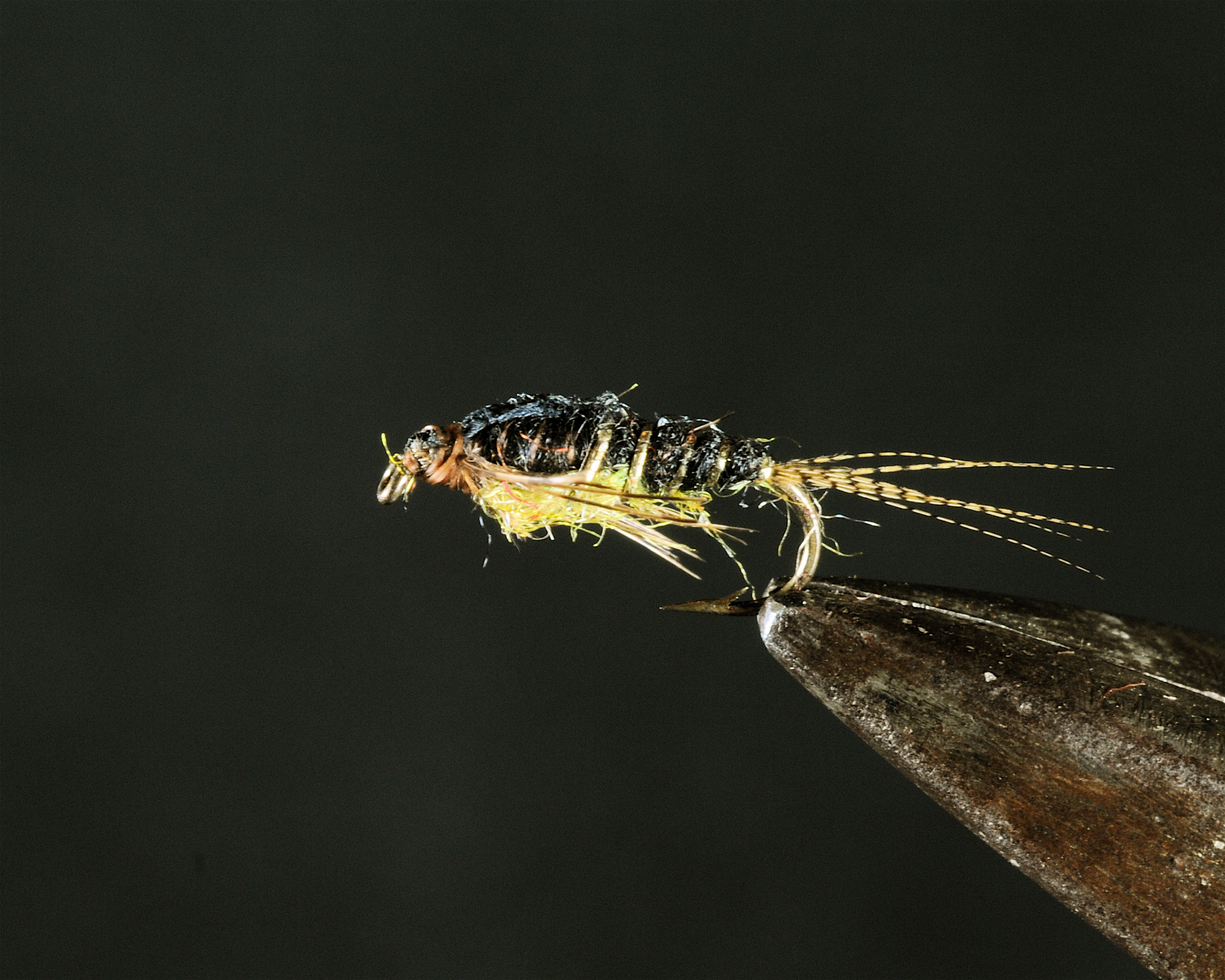
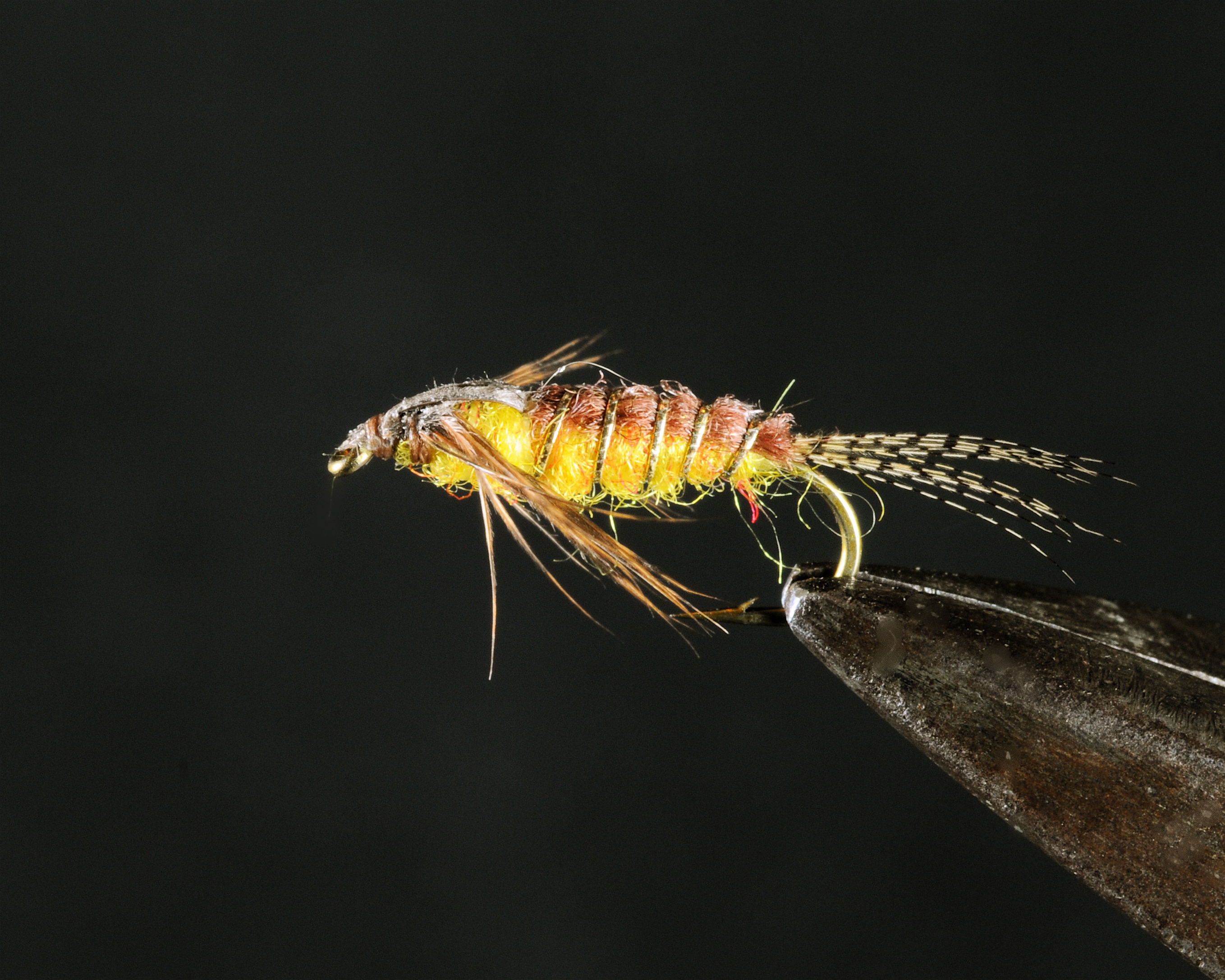
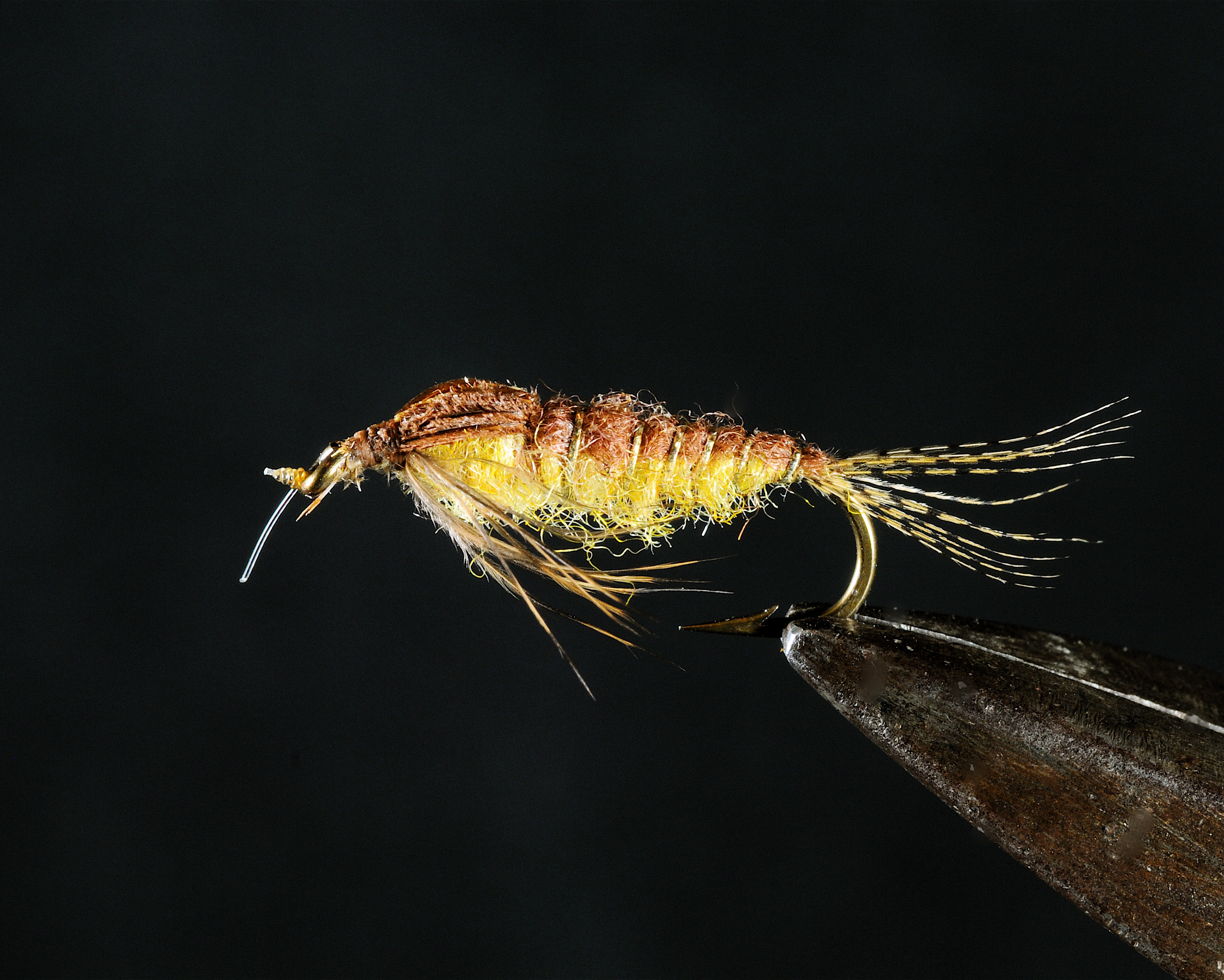
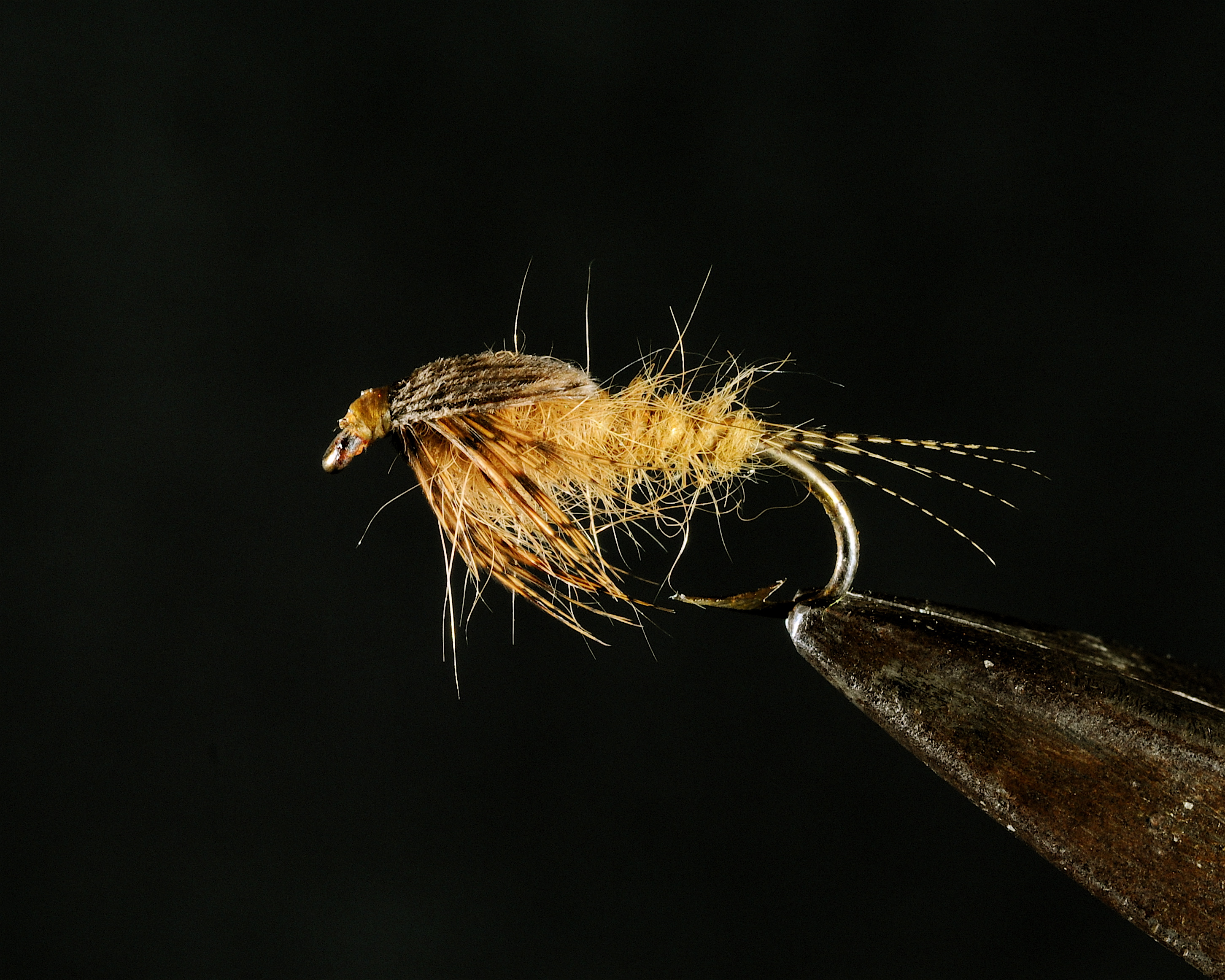
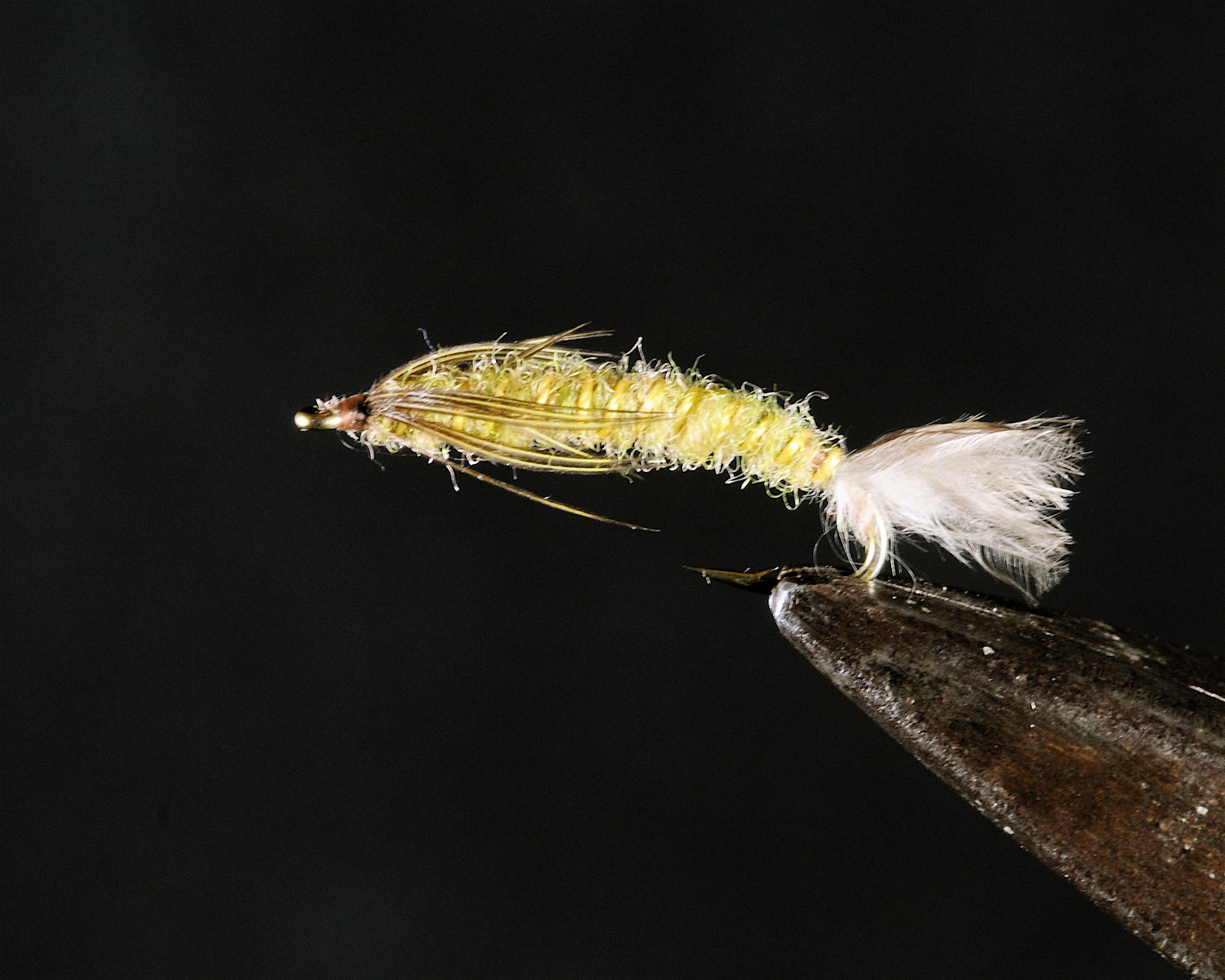
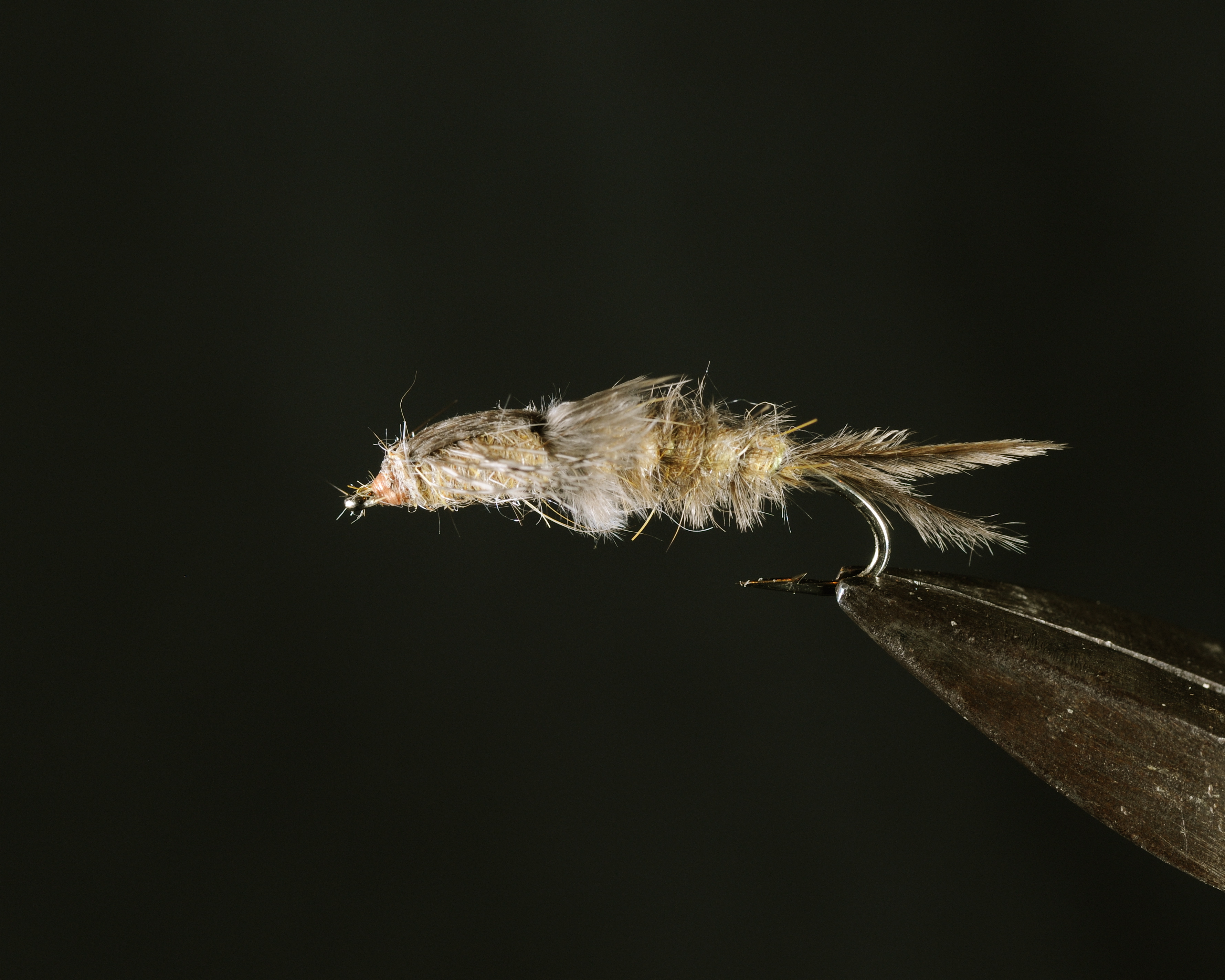
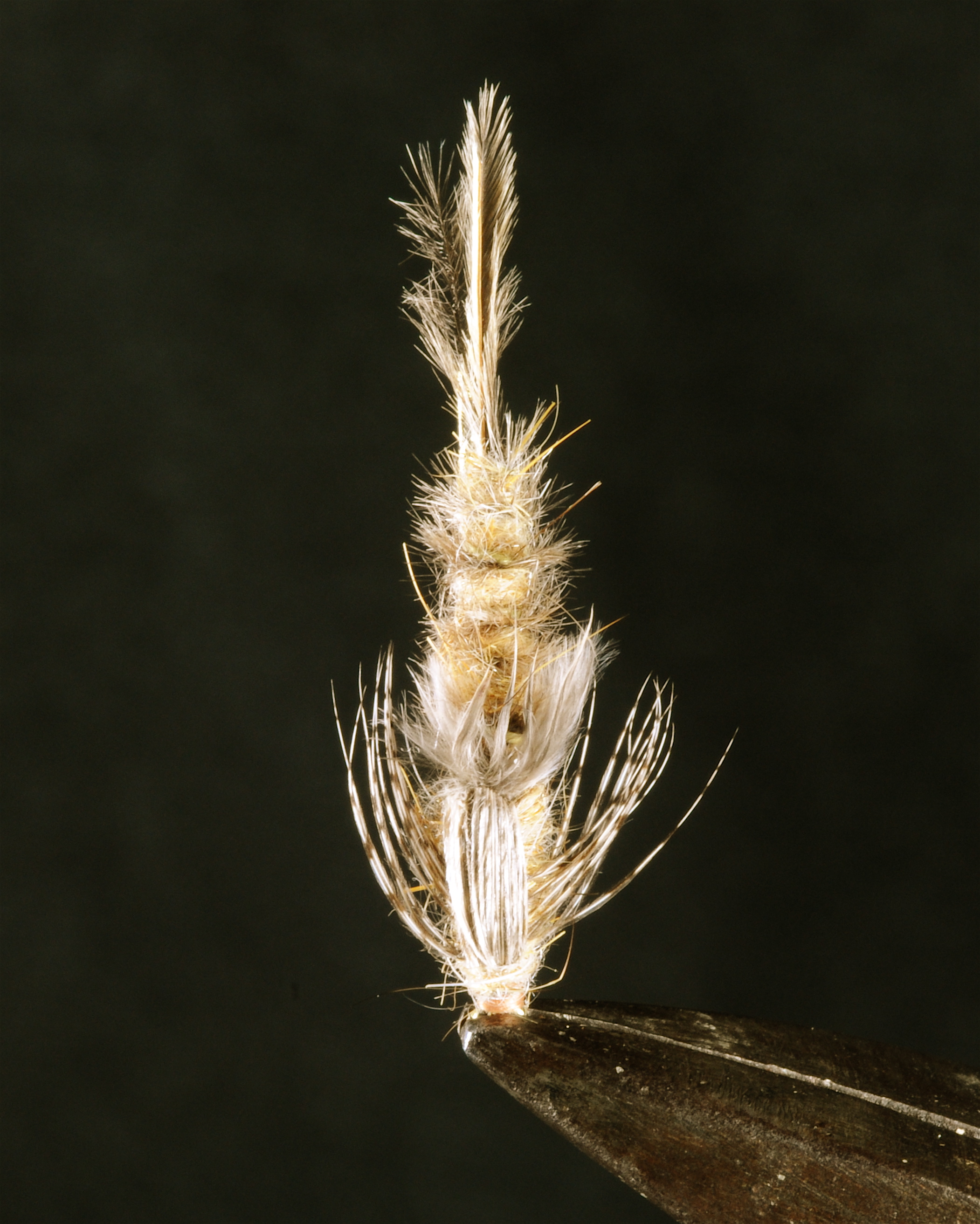
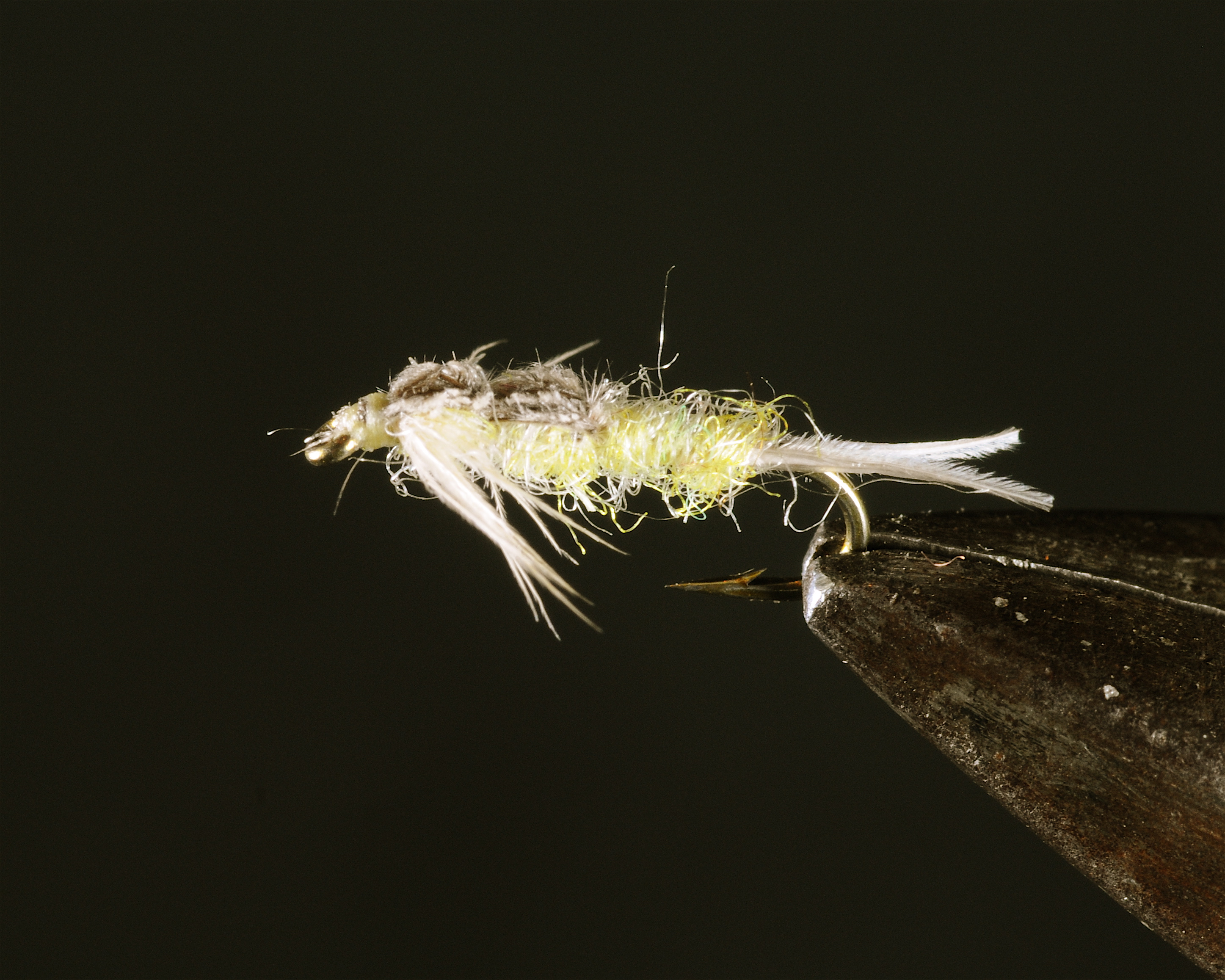
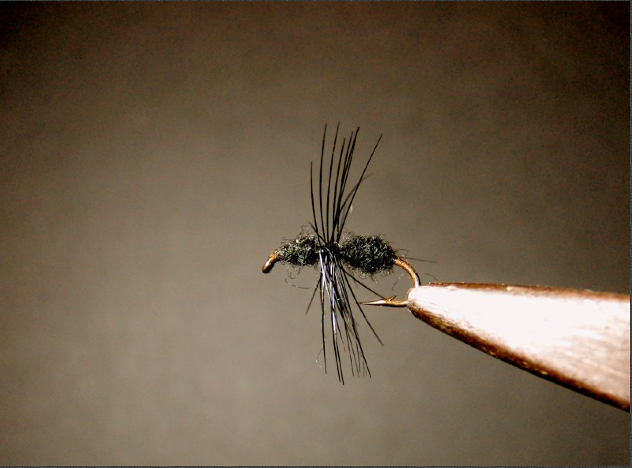
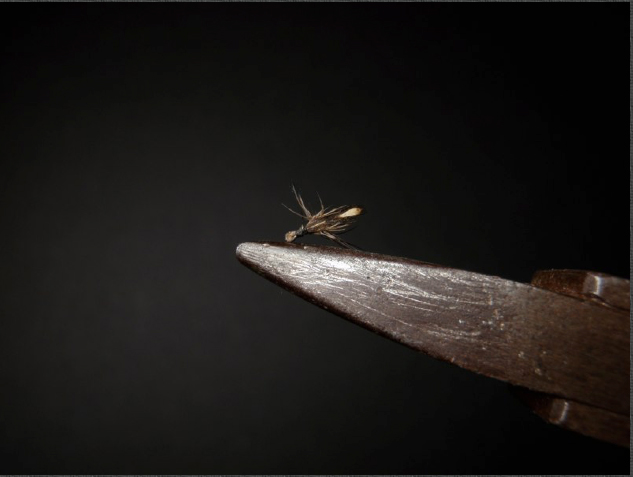
Following is a short excerpt from a speech given by Ernie in his last year to the American Museum of Fly Fishing. This story was used by his son Erik Schwiebert in his father's eulogy. It captures, in Ernie's unique way, the magic of this wonderful sport we are drawn to.
"My obsession with fishing began in childhood, watching bluegills and pumpkinseeds and perch under a rickety dock, below a simple cedar-shingled cottage in southern Michigan. My obsession with trout began there too, when my mother drove north into town for groceries, and took me along with the promise of chocolate ice cream. We crossed a stream that was utterly unlike those near Chicago, fetid and foul-smelling, or chocked with the silts of farm-country tillage. It flowed swift and crystalline over the bottom of ochre cobblestones and pebbles and like Hemingway's "Big Two-Hearted River," it mysteriously disappeared into thickets of cedar sweepers downstream.
And a man was fishing there.
The current was smooth, but it tumbled swiftly around his legs. It was a different kind of fishing, utterly unlike watching a red-and-white bobber on a tepid childhood poind, with its lilypad and cattail margins, and its callings of redwinged blackbirds. His amber line worked back and forth in the sunlight, and he dropped his fly on the water briefly, only to tease it free of the current, and strip the moisture from its barbules with more casting. It seemed more like the grace of ballet than fishing.
And then the man hooked a fish.
My mother called to the angler, and gave me permission to run and see his prize. I remember getting my feet muddy and wet, with a Biblical plague of cockleburrs at my ankles, but it did not matter. The fish was still in the man's landing net, and he raised it dripping and shining in his hand. It was a brook trout of six inches, its dorsal surfaces dark with blue and olive vermiculations, and its flanks clouded with dusky parr markings. Its belly and lower fins were a bright tangerine, with edgings of alabaster and ebony, and it glowed like a jeweler's tray of opals and moonstones and rubies. I had witnessed something beautiful, and I wanted to be a part of it.
People often ask why I fish, and after seventy-odd years, I am beginning to understand.
I fish because of Beauty. Everything about our sport (and our cause in terms of TU) is beautiful. Its more than five centuries of manuscript and books and folios are beautiful. Its artifacts of rods and beautifully machined reels are beautiful. Its old wading staffs and split-willow creels, and the delicate artifice of its flies, are beautiful. Dressing such confections of fur, feathers and steel is beautiful, and our worktables are littered with gorgeous scraps of tragopan and golden pheasant and blue chattered and Coq de Leon. The best of sporting art is beautiful. The riverscapes that sustain the fish are beautiful. Our methods of seeking them are beautiful, and we find ourselves enthralled with the quicksilver poetry of the fish. And in our contentious time of partisan hubris, selfishness, and outright mendacity, Beauty itself may prove the most endangered thing of all."
Ernest Schwiebert, Closing Speech to the American Museum of Fly Fishing 2005
©2006 RDotson, Inc. All Rights Reserved. Photographs property of artist and can not be used without express permission.